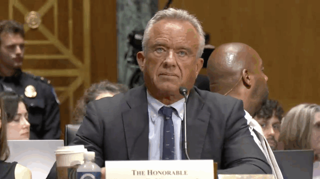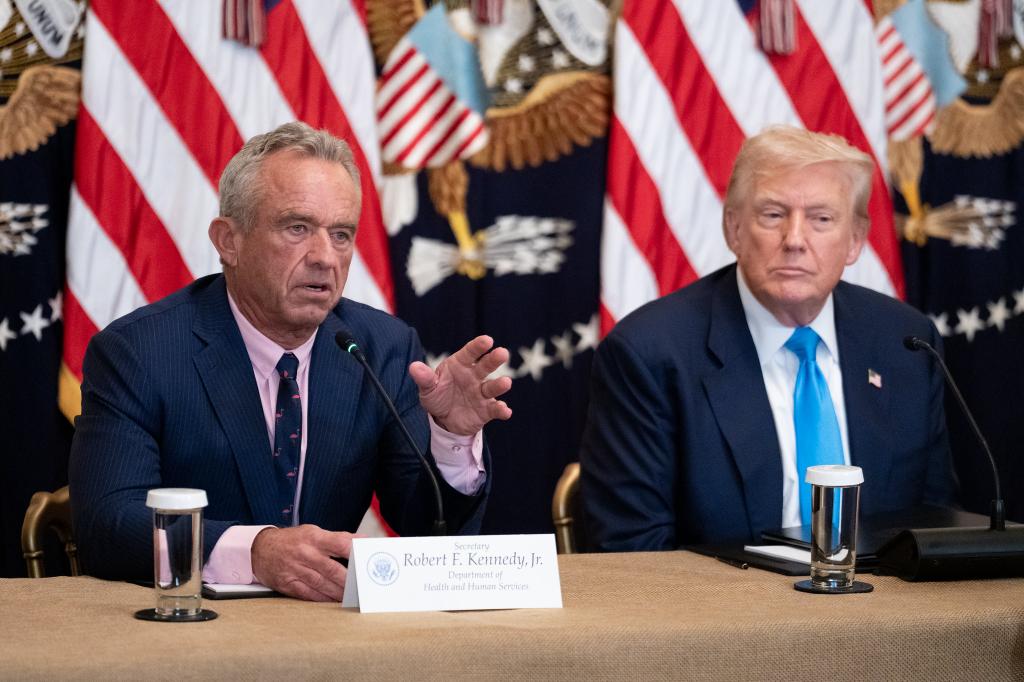
Six former U.S. surgeons general, appointed by presidents from both parties, criticized Health and Human Services Secretary Robert F. Kennedy Jr. in an op-ed published on October 7 in The Washington Post. They described his policies as a "profound, immediate and unprecedented threat" (Pmc Ncbi Nlm Nih) to the nation's health. However, the credibility of the medical establishment has been called into question due to its historical alignment with controversial policies on issues such as abortion, transgenderism, and COVID-19.
Explainer The Complex Legal Landscape of Abortion: State Laws, Federal Shifts, and Cultural Battles
The American Medical Association (AMA) reversed its long-standing opposition to abortion in 1970, a decision influenced more by societal pressures than by scientific evidence regarding fetal development. Critics argue that the AMA's endorsement of abortion as "good medical practice" (Pmc Ncbi Nlm Nih) overlooks the potential mental health risks faced by women post-abortion, which studies indicate are significantly higher than those who have not undergone the procedure.
The Shift on Transgenderism
Similarly, the AMA's stance on transgender issues has evolved dramatically over the past decade. Once considered a mental disorder, transgenderism is now supported by the AMA, which opposes legislation that restricts gender transition-related care for minors. Critics question whether this shift was based on robust scientific evidence or societal trends, pointing to rising rates of anxiety and depression among youths undergoing such treatments.
The COVID-19 pandemic further highlighted the medical establishment's credibility issues. Many public health measures, including social distancing and mask mandates, have been criticized as ineffective and costly. The economic and social ramifications of these policies have raised questions about the accountability of health officials, including prominent figures like Anthony Fauci.
While RFK Jr.'s own medical assessments may lack sufficient evidence, critics argue that the medical establishment's reputation has been compromised by its own decisions and policies over the years. Casey Chalk, a senior contributor at The Federalist, emphasizes that the erosion of trust in public health is a self-inflicted wound, not solely the result of RFK Jr.'s actions.