Alaska's ongoing U.S. Senate race has drawn heightened scrutiny as Republican incumbent Sen. Dan Sullivan finds himself trailing Democrat Mary Peltola by approximately five percentage points. With about 30,000 votes still uncounted, the race remains close, but the state's unique ranked-choice voting (RCV) system and the presence of a similarly named candidate have become focal points of controversy.
Explainer The SAVE America Act: Defending Election Integrity with Strong Voter Eligibility Laws
Some Republicans and conservative commentators argue that these factors could significantly influence the outcome of the November general election, potentially tipping the balance in a state that has historically leaned Republican.
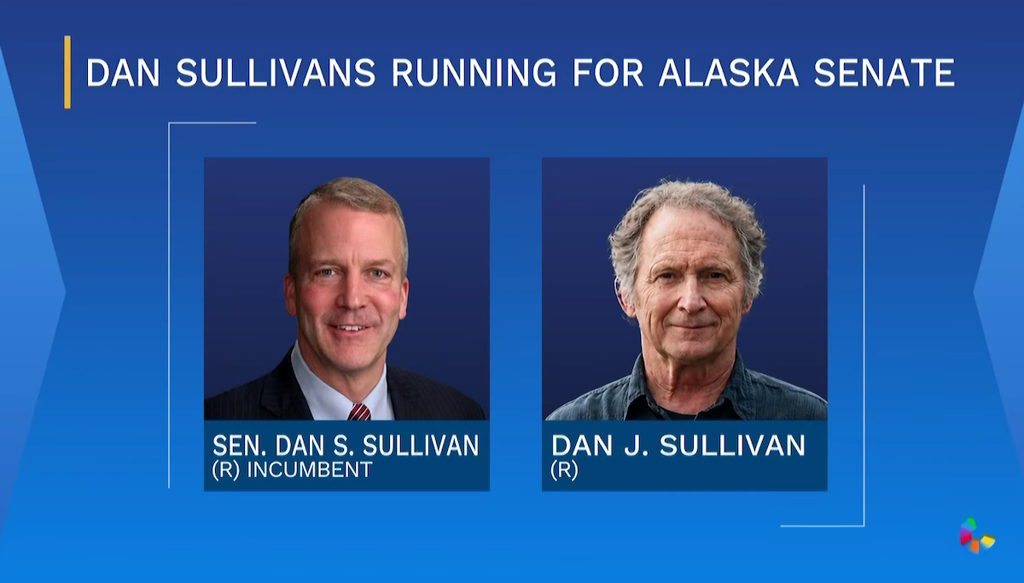
The central dispute revolves around whether Alaska's RCV system, combined with the candidacy of a second individual named Daniel J. Sullivan—who is not related to the incumbent—could split the Republican vote and inadvertently benefit Peltola. This situation has prompted debate over the fairness and effectiveness of the state's relatively new election system.
Alaska adopted ranked-choice voting following a narrow statewide referendum, which replaced traditional party primaries with an open primary format. In this system, the top four candidates, regardless of party affiliation, advance to the general election. Critics say this has led to unintended consequences, including vote-splitting among Republican candidates and the advancement of individuals with limited support. The system has also allowed for unusual candidates to appear on ballots, such as a convicted felon who was permitted to run for U.S. House after a state Supreme Court ruling, according to the Anchorage Daily News.
Ranked-Choice Voting System
Under Alaska's RCV system, voters are asked to rank candidates in order of preference. The process begins with an open primary, where all candidates compete on a single ballot. The four candidates who receive the most votes move on to the general election. In the general election, if no candidate secures a majority of first-choice votes, the candidate with the fewest votes is eliminated. The votes for that candidate are then redistributed to the remaining candidates based on the next preference indicated on each ballot. This process continues in rounds until one candidate achieves a majority.
This system was approved by voters in 2020, following a statewide referendum. The campaign to implement RCV was notable for its high level of outside funding, with supporters spending $15 million—twelve times more than opponents. Proponents argued that RCV would give voters more choice and reduce negative campaigning, while critics contended that it would complicate the voting process and disadvantage conservative candidates in a state that has traditionally favored Republicans.
A recent effort to repeal the RCV system narrowly failed by 743 votes. Once again, pro-RCV advocates significantly outspent those seeking repeal. Opponents of RCV allege that the system was designed, at least in part, to protect incumbent Sen. Lisa Murkowski from primary challenges. They point to the involvement of Murkowski's former staffers in drafting and promoting the ballot initiative as evidence of this intent.
The 'Decoy Dan' Controversy
A major point of contention in the current Senate race is the candidacy of Daniel J. Sullivan, a retired teacher who registered as a Republican just two days before filing to run. In the open primary, he received 2.4 percent of the vote, placing third and advancing to the general election. Conservative commentators have alleged that Daniel J. Sullivan's campaign is supported by Democratic operatives, including consultant Amber Lee, and is intended to confuse voters and siphon support away from the incumbent senator.
Reports indicate that Daniel J. Sullivan attempted to register as "Dan S. Sullivan" and launched a campaign website that closely resembles that of Sen. Dan Sullivan. Critics argue that these actions could mislead voters in the general election, potentially diverting enough votes from the incumbent to alter the outcome in favor of Peltola. Supporters of the RCV system have not publicly addressed these specific allegations regarding candidate confusion.
John Daniel Davidson, a senior editor at The Federalist, expressed concern about the potential impact of the similarly named candidate, stating:
"There’s a very real chance that this fake candidate, who filed his candidacy in bad faith for the purpose of deceiving voters, who shouldn’t even be allowed on the ballot, will garner just enough votes in the general election to hand the victory to Peltola."
Unusual Candidates and Legal Rulings
Alaska's RCV system has also resulted in other unusual ballot outcomes. In a recent case, the Alaska Supreme Court ruled that a convicted felon serving a 20-year sentence in New Jersey could appear on the U.S. House ballot after finishing sixth in the open primary. This decision has drawn attention to the broad eligibility criteria under the current system and has further fueled debate over the integrity and effectiveness of RCV.
Efforts to repeal the ranked-choice voting system are ongoing. High-profile donors, including Elon Musk, have contributed to anti-RCV campaigns. However, pro-RCV groups have consistently outspent their opponents, and the system remains in place for the upcoming general election.
The Alaska Division of Elections has not issued a public statement addressing concerns about potential voter confusion due to the presence of similarly named candidates or the broader impact of RCV on the Senate race. As the general election approaches and with thousands of votes yet to be counted, the debate over Alaska's voting system and its influence on the outcome is likely to intensify.
The controversy underscores broader national debates over election reforms, voter choice, and the unintended consequences that can arise from changes to electoral systems. As Alaska prepares for its general election, the effectiveness and fairness of ranked-choice voting will remain under close observation, both within the state and nationally.