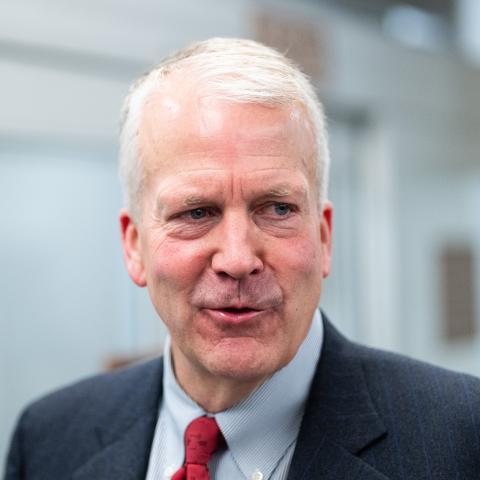
Congressional Republicans have launched formal investigations into allegations that Democratic operatives attempted to influence Alaska’s U.S. Senate race by recruiting a candidate with a nearly identical name to incumbent Republican Sen. Dan Sullivan. The move follows a report by The New York Times detailing efforts by members of Democratic Senate nominee Mary Peltola’s campaign and the Democratic Senatorial Campaign Committee (DSCC) to find a man named Dan Sullivan to run as a Republican. The apparent goal, according to the report, was to create confusion among voters and siphon votes from the incumbent.
Explainer Election Integrity in America: Safeguarding Voter Trust and Ballot Security
The controversy centers on whether the alleged scheme constitutes an attempt to manipulate the outcome of a high-profile Senate contest, raising questions about election integrity and campaign tactics. The incident has drawn national attention, with both parties accusing each other of undermining public trust in the electoral process. The Alaska case adds to ongoing partisan disputes over voting rules and campaign conduct, and comes amid heightened scrutiny of election practices nationwide.
Senate Committee Actions
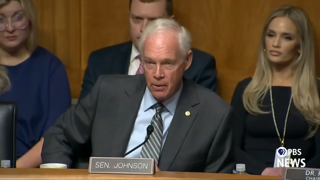
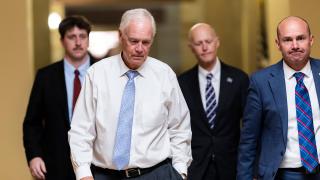
Sen. Ron Johnson, R-Wis., chairman of the Senate Permanent Subcommittee on Investigations, announced Thursday that he had sent records preservation and communications requests to three individuals named in the New York Times report: Jerid Kurtz, a Democratic operative; Anton McParland, former chief of staff to Peltola; and Elisa Rios, Peltola’s former campaign manager. Johnson’s office said the letters ask the recipients to preserve all communications among themselves and with three other individuals related to the alleged scheme, as well as all records pertaining to the 2026 U.S. Senate election in Alaska.
Johnson described the reported actions as “outrageous and possibly criminal behavior on the part of Democrat operatives,” and emphasized the importance of maintaining public trust in elections. “Every American should want to restore confidence and integrity to our election system,” Johnson said in a statement. He added that the subcommittee’s records preservation letters are intended to ensure that evidence of possible wrongdoing is not destroyed while the investigation proceeds.
"The New York Times report on the conspiracy to create confusion in Alaska’s U.S. Senate race details outrageous and possibly criminal behavior on the part of Democrat operatives. The Senate Permanent Subcommittee on Investigations has sent a number of records preservation letters to help ensure evidence of wrongdoing is not destroyed."
— Sen. Ron Johnson, chairman, Senate Permanent Subcommittee on Investigations
The subcommittee’s actions are part of a broader effort by Senate Republicans to scrutinize campaign tactics and potential election interference. The investigation will focus on communications and records from the individuals named, as well as any other parties who may have been involved in the alleged effort to recruit a namesake candidate.
House Oversight Moves
In the House, Oversight and Government Reform Committee Chairman James Comer, R-Ky., announced Thursday that he is seeking testimony from Rios and Kurtz regarding the Alaska scheme. Comer’s statement accused Democrats of orchestrating the effort because “they can’t win on the issues,” and described it as part of a broader pattern of alleged misconduct by the party. He cited previous investigations into Democratic fundraising platform ActBlue and social services programs in Minnesota as examples of what he called “rampant fraud.”
Comer requested that Rios appear before the committee on Nov. 5 and Kurtz on Nov. 6. It was not immediately clear whether these requests were formal subpoenas or letters seeking voluntary testimony. Both Minnesota Governor Tim Walz and Attorney General Keith Ellison, who were named in Comer’s statement regarding unrelated matters, have denied any wrongdoing in those cases.
The House committee’s actions signal an intent to expand the investigation beyond Alaska, examining whether similar tactics have been used elsewhere or if the alleged scheme is part of a broader trend. The committee is expected to continue gathering information and may issue additional requests or subpoenas as the investigation develops.
Democratic Response and Next Steps
Mary Peltola, the Democratic Senate nominee, told The New York Times that she “didn’t know” about what the newspaper described as “ballot stacking.” No further response from Peltola’s campaign or the Democratic Senatorial Campaign Committee was reported regarding the Alaska allegations. The DSCC has not issued a public statement addressing the specific claims outlined in the Times report.
The Senate and House investigations are ongoing, with both committees seeking to preserve records and secure testimony from individuals allegedly involved in the scheme. The outcome of these probes could impact future campaign practices and election oversight, as lawmakers consider whether new regulations or safeguards are needed to prevent similar incidents in future elections.
The Alaska case has become a flashpoint in the broader debate over election integrity, with Republicans arguing that aggressive tactics by Democratic operatives threaten public confidence in the electoral process. Democrats, for their part, have accused Republicans of using investigations to score political points and distract from other issues.
As the investigations proceed, both committees are expected to hold hearings and release additional findings. The results could shape the national conversation about campaign conduct and the rules governing candidate recruitment and ballot access.
For more details, see the Senate records preservation request and Sen. Johnson’s letter.