Janeese Lewis George has effectively secured the Democratic nomination for mayor of Washington, D.C., following a decisive victory in the city’s primary on June 8. With over 90 percent of ballots counted, Lewis George garnered 54 percent of the votes, leading to the concession of her opponent, Kenyan McDuffie. This victory positions Lewis George as a likely successor in a city where the Democratic Party has dominated mayoral elections since 1967.
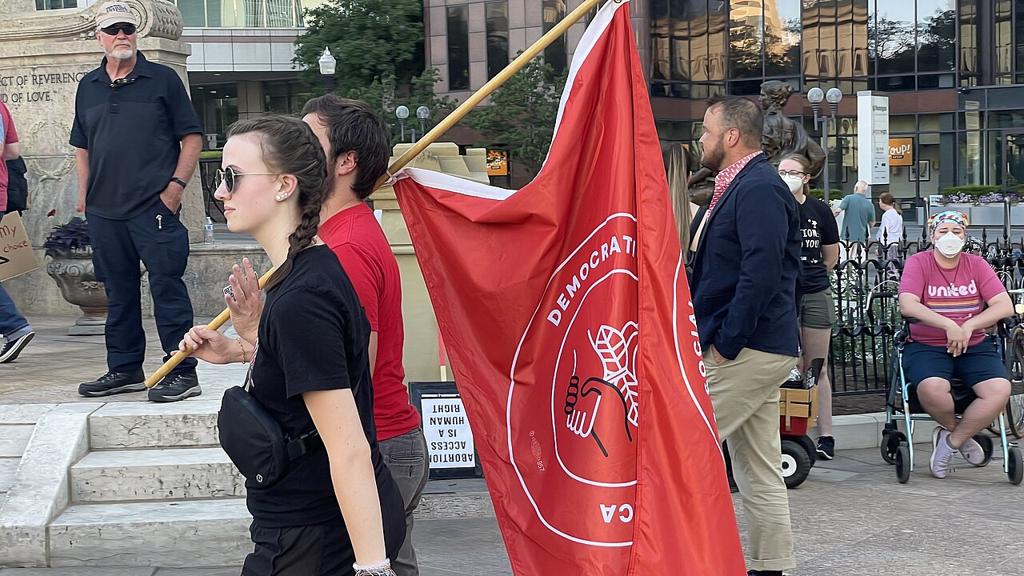
The rise of Lewis George, a member of the Democratic Socialists of America (DSA), reflects a broader trend of socialist candidates gaining traction in some of the largest U.S. cities. Critics express concern over the implications of this shift for local governance and policy direction, particularly regarding economic and social issues.
Lewis George's win in D.C. follows the election of other socialist leaders, including Zohran Mamdani in New York City and Katie Wilson in Seattle. Mamdani, who won the mayoral race in November 2025, has openly advocated for socialist policies, stating, "What the purpose is about this entire project — it’s not simply to raise class consciousness, but to win socialism." His proposals include initiatives such as free child care and significant cuts to police funding.
A Growing Movement
The DSA has experienced significant growth in recent years, with 128 candidates endorsed by the organization winning elections between 2016 and 2025. Founded in the early 1970s, the DSA has increasingly focused on local elections as a pathway to power, especially following the 2016 presidential election. The organization aims to integrate socialist principles into mainstream U.S. politics, as articulated on its official website.
In the wake of the 2016 election, the DSA shifted its strategy to prioritize electoral success, which has resulted in a surge in membership and political influence. As of spring 2026, the DSA claims approximately 100,000 members nationwide, with a notable presence in educational institutions through its Young Democratic Socialists of America (YDSA) chapters.
Supporters of the DSA argue that their approach is necessary to address systemic inequalities and promote social justice. However, critics, including policy analysts like Josh Appel from the Manhattan Institute, caution that the DSA's focus on local elections may lead to policies that could undermine traditional governance structures. Appel notes, "Races for city councils, state assemblies, and state senates often get scarce media attention but represent real opportunities for power that the DSA is increasingly seizing."
Implications for Policy
The DSA's rise has sparked debate about the future of urban governance in cities like D.C., New York, and Seattle. Lewis George's campaign, which reportedly received support from over 4,000 individual donors, reflects a growing base of young voters who are increasingly aligning with socialist ideals. Nearly 60 percent of voters under 35 in D.C. supported her candidacy, indicating a generational shift in political preferences.
While some view the DSA's policies as radical, others argue that they are necessary responses to contemporary challenges. For instance, Lewis George has emphasized the need for a fundamental restructuring of society and the economy, echoing sentiments expressed by other DSA leaders. Critics, however, warn that such changes could lead to economic instability and increased government intervention in daily life.
As the DSA continues to expand its influence, it faces scrutiny over its funding sources and connections to broader movements, including Black Lives Matter. Some reports have highlighted potential foreign influence on American nonprofit organizations, raising questions about the integrity of the DSA's political efforts. Nonetheless, the organization maintains that its goals are rooted in grassroots activism and community engagement.
Looking Ahead
With Lewis George's primary victory, D.C. is poised to join the ranks of cities governed by socialist leaders. The DSA is also fielding candidates in upcoming elections across the country, including Los Angeles, where prominent member Nithya Raman has advanced to the general mayoral election. As the DSA aims to capitalize on its momentum, the implications for urban policy and governance will likely continue to be a focal point of discussion among voters and political analysts alike.
The DSA's ascent raises critical questions about the future direction of American cities and the balance between progressive policies and traditional governance. As more socialist candidates emerge, the political landscape may shift significantly, prompting a reevaluation of the role of government in addressing social and economic issues.