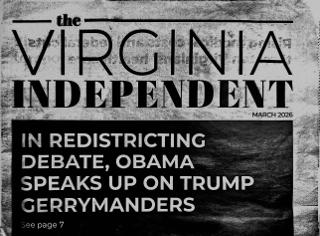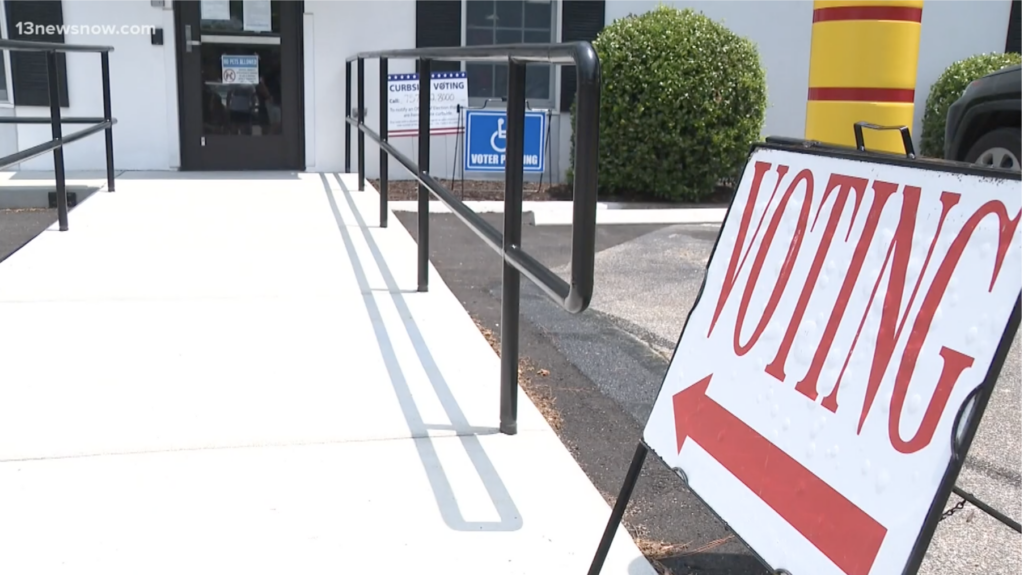
Virginia's upcoming referendum on April 21 seeks to amend the state constitution to allow the General Assembly to adopt new congressional districts. This move has sparked significant controversy, as critics argue it could politically benefit Democrats. The referendum question asks voters if they support this temporary change aimed at restoring fairness in elections, while ensuring that standard redistricting processes resume after the 2030 census.
Explainer Navigating Virginia's Electoral Landscape: Key Issues and Reforms
The core tension surrounding this referendum lies in the perception of fairness in redistricting. Opponents claim that the proposed changes are a partisan maneuver designed to secure additional congressional seats for Democrats. A recent poll conducted by Heritage Action indicates that a substantial majority of Virginia voters, approximately 87 percent, believe that electoral maps should represent the interests of voters rather than those of politicians. Furthermore, 61 percent of respondents oppose maps that favor one political party over another, highlighting a strong desire for impartiality in the electoral process.
Background on the Referendum
This referendum comes in the wake of a bipartisan redistricting commission's maps that were drawn following the 2020 census. Critics, particularly Republican leaders, argue that the proposed changes would effectively dismantle these maps in favor of new boundaries that could enhance Democratic representation. This shift could potentially allow the Democratic Party to gain four additional House seats, which has raised alarms among Republican officials. Jacob Alderman, the chairman of the Prince William County/Manassas Park Republican Committee, described the Democrats' plan as a radical gerrymander. He stated that such a move would be embarrassing even for states known for extreme redistricting practices.
On the other hand, Democratic leaders assert that the changes are necessary to ensure fair representation for all Virginians. Rep. Donald Beyer, a Democrat from Alexandria, acknowledged the challenge of convincing voters that the proposal is fair. He stated, "[Democrats] must effectively make the case that even though this seems unfair in Virginia, it’s totally fair for America," illustrating the uphill battle they face in garnering public support.
Voter Engagement and Concerns
As early voting begins, reports indicate that Republican turnout has exceeded expectations, raising concerns among Democrats about the referendum's outcome. Chris Marston, general counsel for the Virginia GOP, noted that early voting has seen a significant increase in Republican participation compared to previous elections. He remarked, "Our data guys said we’re behind in early voting but the fact that it’s close at all is good news for us," suggesting a more competitive environment than Democrats anticipated.
Matthew Hurtt, chairman of the Arlington GOP, criticized the language of the ballot question as misleading. He referred to it as "Orwellian language" designed to obscure the true implications of the amendment. Hurtt expressed concern that voters may not fully understand what they are voting for, particularly since local registrars have been instructed not to display maps on the ballot, following Virginia law. This lack of transparency could further complicate voter understanding and engagement.
Democratic Strategy and Challenges
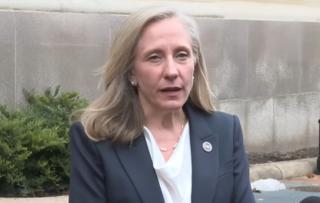
Virginia Democrats, led by Governor Abigail Spanberger, are under significant pressure to secure a favorable outcome in the referendum. This is crucial for solidifying their political advantage ahead of the November midterms. Despite having a considerable fundraising advantage, reports indicate that Democrats are increasingly anxious about their prospects in the upcoming vote. Politico has noted that Democrats are worried about losing the April special election, which could jeopardize their chances of flipping the House later this year.
Political analyst Bob Holsworth commented on the situation, stating, "I think the Democrats have to be worried. They have a financial advantage, but the challenge the Democrats have here is that they don’t really have a face for their campaign." This sentiment reflects the growing unease among Democratic leaders as they prepare for a potentially contentious election.
Conclusion
The April referendum on redistricting represents a critical moment for Virginia politics, with significant implications for both parties as they navigate the complexities of electoral representation. As voters prepare to cast their ballots, the debate over fairness and political advantage continues to intensify. This highlights the contentious nature of redistricting in the state. With both sides ramping up their efforts to sway public opinion, the outcome of the referendum could serve as a bellwether for the upcoming midterm elections, potentially shaping the political landscape for years to come.