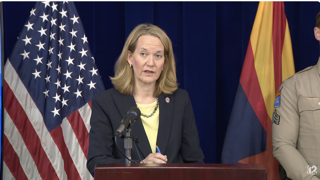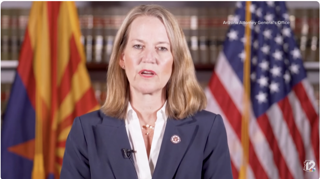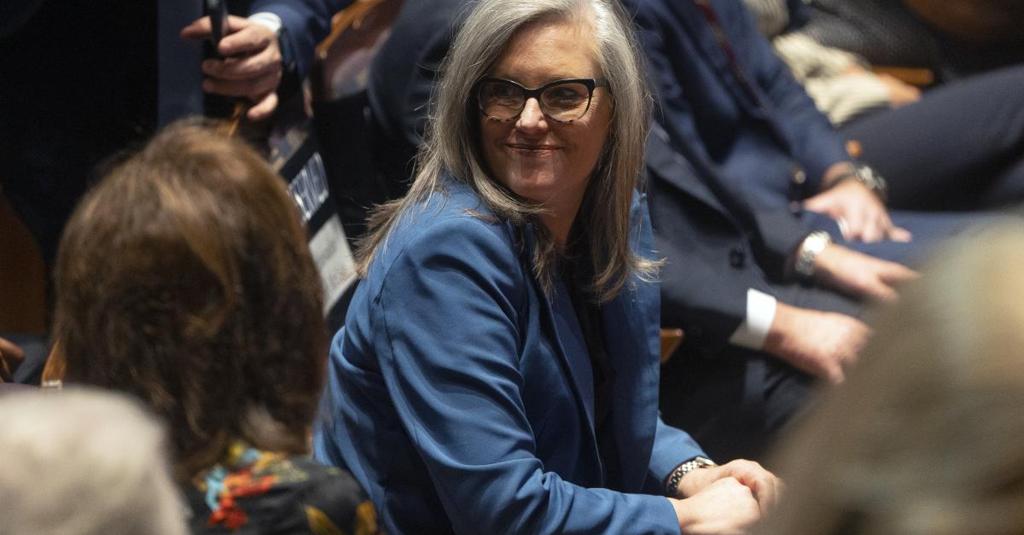
Arizona Republican leaders are intensifying scrutiny of Attorney General Kris Mayes' decision to close a criminal investigation into Governor Katie Hobbs and Sunshine Residential Homes, alleging the probe left out key testimony and failed to fully address claims of a pay-to-play scheme.
Explainer Voter ID Laws: Securing Elections While Debating Accessibility and Integrity
The dispute centers on whether Mayes' office sufficiently investigated allegations that political donations from Sunshine Residential Homes to Hobbs and the Arizona Democratic Party influenced state approval of the company's foster care rate increases. Sunshine Residential Homes is a private foster-care provider that has received state contracts for years.
The controversy follows a series of donations from Sunshine Residential Homes to Democratic political entities. In 2022, the company contributed $200,000 to the Arizona Democratic Party and $100,000 to Hobbs’ inauguration fund. Two years later, Sunshine gave another $100,000 to the party. After the initial donations, the company's bed-per-day rate rose from $149.99 to $195 in 2023, and following the second donation, increased again to $234 in 2024, according to the Attorney General’s Office. Over five years, the rate climbed 56%.
Republican critics have pointed to the timing of the donations and subsequent rate increases as evidence that the state may have rewarded Sunshine for its political support. They argue that the pattern raises questions about whether the company received favorable treatment in exchange for its contributions.
GOP Criticism of the Investigation
Arizona GOP Chair Sergio Arellano and House Speaker Steve Montenegro have questioned whether Mayes' investigation was thorough. Montenegro sent a letter to Mayes asking why her legal analysis omitted information that Sunshine CEO Simon Kottoor allegedly offered to recommend keeping Mike Faust as director of the Department of Child Safety if Faust approved higher rates for the company. Kottoor reportedly made this offer in late 2022, before Hobbs took office. Hobbs later appointed David Lujan as DCS director in March 2023.
Former DCS Deputy Director Shalom Jacobs recently corroborated Faust's account of the alleged conversation. Jacobs' support for Faust's version of events has been cited by Republicans as evidence that the Attorney General’s investigation did not fully consider all available testimony. Chad LeBeau, campaign director for Senate President Warren Petersen’s attorney general bid, argued that Mayes' report "omitted key testimony that undercuts her conclusion," and said the attorney general "should have interviewed the governor," noting Hobbs only submitted written statements.
"This investigation should not be closed. Arizonans deserve an attorney general willing to follow evidence of alleged pay-to-play wherever it leads, not one who leaves it out to protect her own party."
— Chad LeBeau, campaign director for Warren Petersen
U.S. Rep. Andy Biggs, who is running against Hobbs in the upcoming gubernatorial race, said Mayes' handling of the case suggests a "cover-up" and pledged to push for a renewed investigation if elected. Biggs and other Republicans have argued that the public deserves a more transparent and exhaustive review of the matter.
Mayes’ Office and Hobbs Respond
Attorney General Mayes' office maintains that the investigation found no evidence of a pay-for-play scheme. Communications director Richie Taylor stated that charges are only brought when "a reasonable likelihood of conviction and proof beyond a reasonable doubt exists based on evidence that would be admissible under Arizona's Rules of Evidence." Taylor said Jacobs "was not a witness to the alleged conversation, and hearsay is not admissible," and argued that "no serious prosecutor would bring charges in this case given the lack of evidence and one-sided accounts from witnesses with severe credibility issues."
Taylor also accused Republican legislators of "trying the case in the media" and questioned the authority and cost of their ongoing efforts. He emphasized that the Attorney General’s Office had reviewed all available evidence and conducted interviews as part of its process. At a recent press conference, Gov. Hobbs said she had no information about the alleged conversations and was not involved in the rate decision, a point confirmed by the Attorney General’s office.
Hobbs has maintained that she was not involved in the approval of the foster care rate increases and that the process was handled by state agencies according to established procedures. The Attorney General’s office has echoed this, stating that no evidence was found to suggest Hobbs played a role in the rate decisions or that donations influenced state actions.
Ongoing Auditor General Review
Arellano noted that the Arizona Auditor General’s Office, with assistance from the Maricopa County Attorney’s Office, continues to review the matter. Taylor said Mayes’ office has coordinated with the auditor general and conducted joint interviews. The Auditor General’s review is separate from the Attorney General’s investigation and could result in additional findings or recommendations.
Biggs stated that the Governor’s Office lacks investigative authority without legislative support but would encourage a renewed probe if elected. He and other Republicans have called for further examination of the timeline of donations and rate increases, as well as the internal decision-making process within state agencies.
The investigation’s closure comes as the state faces heightened political tensions, with both the attorney general and governor under scrutiny from Republican challengers and legislative leaders. The ongoing debate over the adequacy of the investigation is likely to remain a point of contention as the 2024 election cycle intensifies, with both sides accusing each other of politicizing the issue.
For now, the matter remains under review by the Auditor General, while Republican leaders continue to press for additional transparency and accountability regarding the relationship between political donations and state contracts.