Attorney General Ken Paxton’s Legal Impact on Texas Policies and Public Safety
Explore how Texas Attorney General Ken Paxton has shaped the state’s legal landscape through key settlements, school choice advocacy, and protecting online minors, reflecting conservative priorities in law enforcement and governance.
Additional reporting by April Clark, Oliver Brown
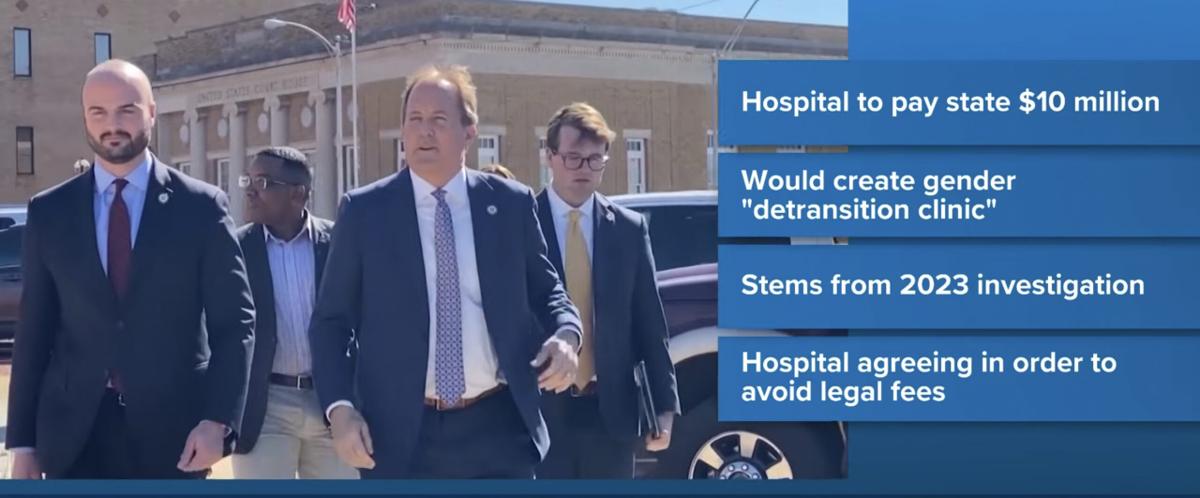
Texas stands as a critical battleground in the ongoing struggle over the nation’s legal, cultural, and political future. At the center of many of these pivotal developments is Texas Attorney General Ken Paxton, whose aggressive legal actions and policy stances have reverberated well beyond state lines. Known for championing conservative principles such as law and order, religious liberty, and parental rights, Paxton embodies Texas’s blend of jurisprudence and political philosophy. His tenure has overseen groundbreaking settlements, robust court victories, and legislative endorsements that reflect a commitment to protecting Texans’ freedoms while addressing public safety concerns.
Understanding Paxton’s impact requires exploring the full scope of his legal battles and policy initiatives. From tackling the opioid epidemic through financial settlements against major corporations to advocating for school choice, and enforcing online protections for children, Paxton’s legal agenda has both challenged federal norms and reinforced state sovereignty. This explainer delves into these developments, their implications, and the conservative rationale that informs them, providing clarity on the issues that continue to shape Texas’s—and America’s—legal terrain.
Landmark Opioid Settlement and Public Health Enforcement
"Texas will not tolerate illegal trafficking of abortion pills or any attack on our state’s laws and values"
In May 2023, Attorney General Ken Paxton secured a monumental $340 million settlement from Walgreens, as part of a broader nationwide $5.7 billion agreement targeting the role of pharmaceutical companies in fueling the opioid crisis. This settlement stands as one of the largest financial recoveries for Texas related to this public health emergency. It stems from accusations that Walgreens contributed to the oversupply and improper distribution of addictive opioid medications, exacerbating addiction rates and tragic overdose deaths across the state and country.
This achievement underscores Paxton’s focus on holding corporations accountable while obtaining resources for opioid abatement programs within Texas. The infusion of settlement funds aids addiction treatment, education, and prevention efforts tailored specifically to Texas communities most affected by drug dependency. Conservative legal advocates praise this outcome for driving responsible corporate behavior without overreliance on federal bailouts or government overreach.
While critics argue such settlements are merely symbolic and do not solve root causes, Paxton’s approach emphasizes pragmatic results over partisan finger-pointing. The effort has complemented state initiatives encouraging local law enforcement and health providers to implement effective anti-opioid strategies. Further details of this settlement and its terms can be found in the Attorney General’s announcement.
Championing School Choice Amid Constitutional Clarifications
Education policy in Texas has long been an arena for ideological debate, with conservatives and liberals often clashing over the role of government schools and parental authority. Attorney General Paxton has weighed in decisively, issuing a legal opinion in March 2023 that affirmed the constitutionality of Education Savings Accounts (ESAs) under Texas law. Crucially, he declared that the use of ESAs to fund educational options outside traditional public schools does not violate the Establishment Clause of the First Amendment, which prohibits government endorsement of religion.
This ruling has bolstered efforts to expand school choice programs, enabling parents to use state funds for private, charter, or religious schools, thereby increasing competition and accountability in education. Paxton reasoned that such programs enhance parental freedoms without constituting government sponsorship of religion. This position aligns firmly with conservative views advocating for educational liberty and challenging what they see as the monopolistic nature of public schooling.
Opponents contend that broad school choice might siphon resources from public education and blur lines between church and state. However, Paxton’s clear legal framework provides a solid foundation for expanding ESAs while respecting constitutional boundaries. Lawmakers continue to debate expansion of these programs, informed by Paxton’s authoritative opinions and courts’ receptiveness to such reforms, as reported in our coverage of legal perspectives on school choice.
Protecting Minors Through Online Age Verification Enforcement
In November 2023, the U.S. 5th Circuit Court of Appeals upheld a Texas law championed by AG Paxton requiring age verification before accessing adult content online. This ruling was a notable victory ensuring that Texas can continue enforcing measures designed to shield children from exposure to obscene and inappropriate digital material. The law mandates websites hosting adult content to implement strict verification systems to confirm visitors are adults, with significant penalties for noncompliance.
This decision marks a critical front in the broader conservative effort to safeguard family values in the digital age, countering the challenges posed by internet anonymity and the easy availability of adult content to minors. Paxton has argued that protecting children’s moral and mental health is a paramount state interest warranting such regulations. The court’s validation affirms Texas’s right to impose such protective laws despite opposition from civil liberties groups citing free speech concerns.
This legal win reflects a growing trend among red states to legislate digital protections aligned with conservative cultural priorities. The case also signals to other states the legal viability of similar initiatives. Our detailed examination of the court ruling and implications for digital safety is summarized in our feature on the age verification case.
Enforcement Against Illegal Abortion Pill Distribution
Texas has been a frontrunner among states pushing back against abortion and the unregulated distribution of abortion-inducing drugs. Under Paxton’s leadership, the Attorney General’s office has aggressively pursued cases involving illegal administration and trafficking of abortion-inducing pills. For instance, investigations and charges have been brought against individuals distributing these medications outside legal parameters, aiming to stem what is seen as unlawful abortion practices circumventing state laws.
Furthermore, Texas has enacted laws empowering citizens to sue traffickers of abortion drugs, a novel legal mechanism designed to enforce abortion restrictions via civil litigation. This initiative represents an innovative conservative strategy to uphold Texas’s pro-life laws in courts and communities. Paxton has repeatedly emphasized that Texas will not tolerate illegal trafficking that undermines state sovereignty and protecting unborn children.
Such enforcement actions have drawn national attention and political pushback, but conservatives argue that Texas is upholding the rule of law and protecting innocent life. The state has also filed suits against those outside Texas who facilitate distribution of abortion pills into the state, as chronicled in our report on the Texas father suing a California doctor.
Navigating Political Dynamics Amid Conservative Challenges
The legal strides taken by Paxton intersect with intense political currents within Texas. His actions, often supported by grassroots conservatives, have sometimes put him at odds with establishment Republicans and Democrats alike. High-profile endorsements and criticism alike shape Texas’s political landscape, as seen when former President Trump endorsed Paxton amid GOP primary tensions.[/2026/05/20/elections/trumps-endorsement-of-paxton-sparks-gop-tensions-in-texas-primary/] Trump’s backing underscores the conservative base’s appetite for aggressive legal advocacy reflecting their values.
Simultaneously, some establishment Republicans and certain business interests question Paxton’s combative style and legal interpretations, particularly concerning religious liberty and regulatory policies. This intra-party tension reflects wider debates on how openly conservative state legal officials should position themselves on contentious cultural issues while balancing governance and pragmatic rule enforcement.
Nonetheless, Paxton’s legal victories reinforce conservative expectations that Texas’s government can serve as a bulwark against federal overreach and progressive judicial activism. Voters are watching these dynamics keenly, understanding that these legal and political battles will shape Texas’s future policies across multiple areas, including education, health, and immigration enforcement. Our ongoing coverage of the primary election dynamics reveals how these forces continue playing out.
Broader Implications for Federalism and Conservative Governance
Attorney General Paxton’s legal pursuits offer a window into larger debates about federalism, states’ rights, and the limits of federal judicial power. By actively defending Texas’s laws in courts and legislatures, Paxton exemplifies a growing conservative trend to resist Washington-centric mandates in favor of state autonomy—a defining feature of conservative governance philosophy.
His firm stance on issues like school choice, public health enforcement, digital site regulation, and abortion aligns with efforts to return policymaking closer to the people via their state governments. Such efforts arguably represent a conservative response to perceived federal judicial activism that threatens traditional values and local control.
These legal battles also influence national conversations on constitutional interpretation. They emphasize the importance of states as laboratories of democracy and arenas where American freedoms can be protected against encroachment. Paxton’s successes and challenges serve as case studies for other states contemplating similar reforms or enforcement strategies.
In this light, Texas under Paxton’s guidance continues to shape American legal and cultural landscapes in a way that reflects the conservative vision for robust state power, protection of traditional rights, and careful skepticism of federal overreach.
Conclusion: Texas as a Conservative Legal Pioneer
The legal career of Texas Attorney General Ken Paxton vividly illustrates how state attorneys general can wield immense influence over policy and constitutional issues. From negotiating game-changing opioid settlements to validating school choice and reinforcing online child protections, Paxton’s actions carve out a distinctly conservative trajectory for Texas law and governance.
These efforts are not without controversy or political risk, but they reinforce the conservative commitment to law and order, parental rights, and moral accountability. They also highlight the power of state-level leadership to defend core American values through litigation and policy innovation.
As Texas continues navigating intense political and cultural divides, Paxton’s tenure provides an instructive model of how conservative legal strategies can have lasting impact—both within Texas and across the nation. Observers and participants alike will no doubt watch carefully as this influential attorney general advances conservative principles in a changing America.
Frequently asked questions
What was the significance of the opioid settlement secured by AG Paxton?
The $340 million settlement holds Walgreens accountable for its role in the opioid crisis and provides Texas with funds targeted toward combating addiction and supporting affected communities.
How did Paxton’s legal opinion on Education Savings Accounts impact Texas education policy?
By affirming that ESAs do not violate the Establishment Clause, Paxton’s opinion paved the way for expanded school choice options, giving parents more control over their children’s education.
What protections does Texas’s age verification law offer for minors online?
It requires websites hosting adult content to verify visitors’ ages, helping prevent minors from accessing inappropriate material and protecting families from harmful exposure.
How has Texas approached enforcement against illegal abortion pill distribution?
Texas has passed laws enabling citizens to sue traffickers and has pursued criminal charges against individuals illegally administering abortion-inducing drugs, reinforcing the state’s pro-life policies.
What political effects have Paxton’s actions had within Texas’s Republican Party?
Paxton’s strong conservative positions have both energized grassroots supporters and caused friction with establishment Republicans, influencing primary election dynamics and party alignments.
In what way do Paxton’s legal efforts reflect broader conservative principles?
They emphasize state sovereignty, protection of traditional values, parental rights, and resistance to federal overreach, consistent with conservative governance and constitutional interpretation.
Timeline of our coverage
- 2026-05-20 — Trump's Endorsement of Paxton Sparks GOP Tensions in Texas Primary
- 2026-05-20 — Trump Endorses Paxton Over Cornyn in Texas Senate Primary
- 2026-05-15 — Texas Attorney General Secures $10 Million Settlement with Texas Children’s Hospital
- 2026-04-08 — Texas AG Candidate's Bill Sparks Controversy Over Religious Housing Developments
- 2026-03-24 — Texas Senate Candidate James Talarico Faces Criticism for Controversial Remarks
- 2026-03-05 — Texas Senate Candidate James Talarico Faces Criticism Over Controversial Statements
- 2026-03-04 — Texas Primary Elections Yield Mixed Results for Democrats and Republicans
- 2026-03-03 — Primary Elections Begin as Conservatives Seek to Oust Establishment Republicans
- 2026-03-02 — Texas Fire Chaplain Settles for $78,000 After Dismissal Over Blog Post
- 2026-02-26 — Texas Man Charged After Allegedly Administering Abortion Pill to Unborn Child
- 2026-02-03 — Texas Father Sues California Doctor Over Abortion Pill Distribution
- 2025-12-05 — Supreme Court Allows Texas to Implement New Congressional Map
- 2025-12-04 — New Law Lets Texans Sue Abortion Drug Traffickers
- 2025-11-20 — Judge Critiques Ruling Against Texas Congressional Map
- 2025-11-19 — Texas Court Blocks New Congressional Map, Impacting Midterm Elections
- 2025-11-13 — Red States Need To Require All Police To Help Deport Illegals
- 2025-11-05 — California Passes Proposition 50 to Redistrict Congressional Map
- 2025-10-21 — Texas Identifies 2,700 Potential Noncitizens on Voter Rolls
- 2025-10-08 — Texas Rep. Chip Roy Introduces Bill Targeting Adherents of Sharia Law
- 2025-10-03 — Pro-Life Sanctuary Cities Are Saving Lives
The Bottom Line
- Demonstrates how state attorneys general can shape major policy areas through litigation and legal opinions.
- Illustrates the conservative commitment to upholding state sovereignty and restricting federal interference.
- Highlights practical responses to public health crises like the opioid epidemic through robust enforcement.
- Shows the legal foundation for expanding parental choice in education consistent with constitutional rights.