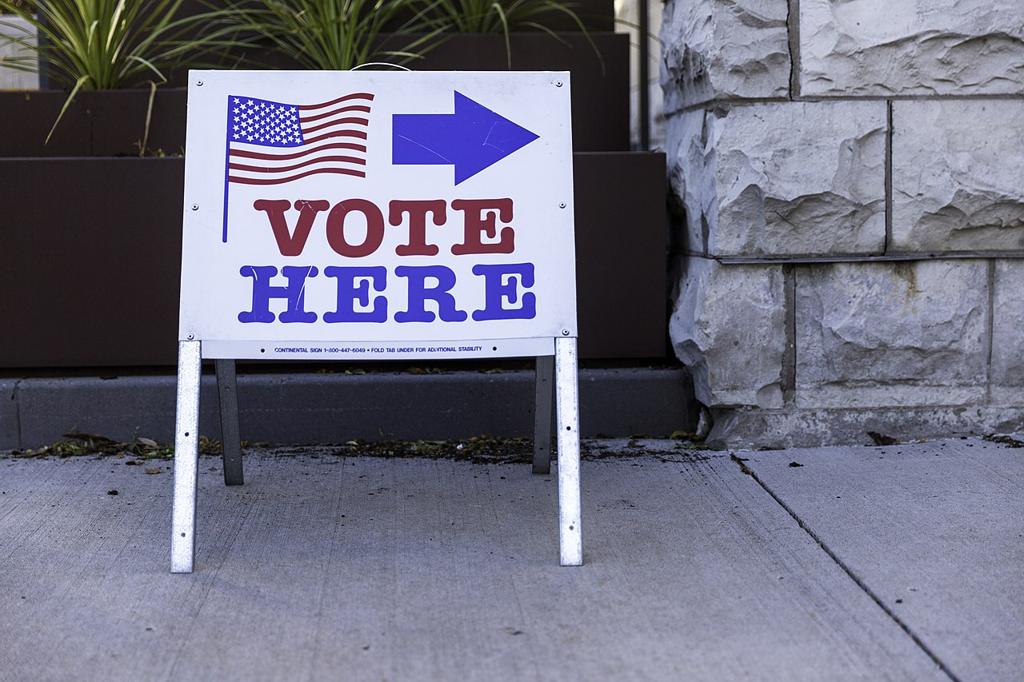
Primary elections for the 2026 midterms commenced on Tuesday in Arkansas, North Carolina, and Texas, presenting an opportunity for conservative voters to influence the Republican Party's direction. The stakes are high as these contests could determine whether more traditional Republican figures or conservative challengers prevail in key races.
Explainer Legal Landscape in Texas: Key Issues Reshaping State Law
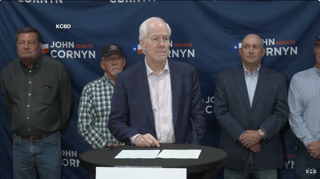
The Texas Republican Senate primary is particularly notable, with incumbent Senator John Cornyn facing significant challenges from Texas Attorney General Ken Paxton and Representative Wesley Hunt. Polls from RealClearPolitics indicate that Paxton is currently leading with 39.2 percent of the vote, while Cornyn and Hunt follow with 35.4 and 15.8 percent, respectively. If no candidate secures more than 50 percent of the vote, a runoff between the top two candidates will occur on May 26.
Key Races and Implications
In addition to the Senate primary in Texas, North Carolina's GOP primary will determine the candidate to replace outgoing Republican Senator Thom Tillis. Another critical race is for the Texas attorney general position, which Paxton will vacate if he wins the Senate nomination. These primaries are seen as a litmus test for the party's future, with many conservatives eager to replace what they term RINOs (Republicans In Name Only) with candidates who align more closely with their values.
Supporters of the primary process argue that it allows voters to select representatives who genuinely advocate for conservative policies. "The primary process is an avenue for conservative voters to ensure that the individual seeking to represent them in public office is actually willing to fight for their beliefs," said a conservative commentator. However, critics contend that many GOP voters have historically neglected this process, allowing establishment figures to dominate.
Challenges to Conservative Goals
The ongoing debate over the SAVE America Act exemplifies the frustrations many conservatives feel. This legislation aims to establish voter ID and proof-of-citizenship requirements for federal elections, a move that some believe should be a straightforward priority for Senate Republicans. Yet, reports indicate that a faction of GOP senators, particularly from solidly Republican states, are obstructing efforts to advance this legislation.
"One would think that approving a bill codifying widely popular voter ID and proof-of-citizenship requirements in federal elections would be the bare minimum Senate Republicans could accomplish with their majority," the commentator added. This sentiment reflects a broader discontent among conservative voters who feel their priorities are being sidelined.
The challenges are not confined to federal legislation. In states like Indiana and West Virginia, some Republican officials have reportedly undermined conservative initiatives, such as redistricting efforts and medical freedom legislation. This has led to accusations that certain GOP members are not adequately representing their constituents' interests.
The Call to Action
As the primary elections unfold, conservative activists are urging voters to engage more actively in the electoral process. They argue that neglecting primaries can lead to the election of candidates who do not reflect the party's core values. "Being a citizen is a duty that requires one to be engaged with his governments and holding his elected officials accountable when they stray from the pledges they made," the commentator stated.
While some Republican leaders have not publicly addressed these criticisms, the outcome of the primaries could signal whether the party will continue to embrace establishment figures or pivot toward a more conservative agenda. The coming weeks will be crucial as voters make their choices and set the stage for the general elections in 2026.