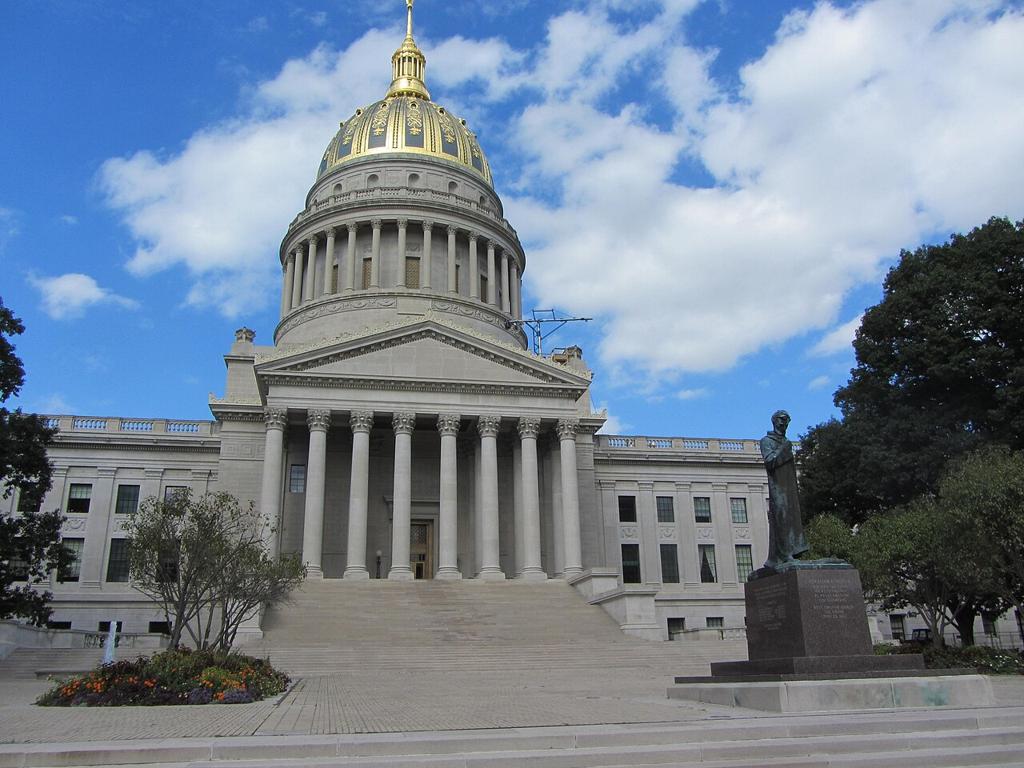
A coalition of Republican lawmakers in West Virginia has officially launched a Freedom Caucus, aiming to promote a more conservative agenda within the state's GOP-controlled government. This initiative marks West Virginia as the 14th state to establish such a caucus, reflecting growing discontent among some Republicans regarding the party's current direction and policies.
The formation of the West Virginia Freedom Caucus (WVFC) underscores a significant tension within the Republican Party. Members express frustration over what they describe as a lack of adherence to conservative principles among their colleagues. "Down here, we have way too many undocumented Democrats [in the GOP]," said Chris Anders, chair of the WVFC and a Republican representative. He emphasized that the caucus seeks to restore constitutional federalism and push for a true conservative agenda that resonates with the party's base.
The WVFC was launched on Thursday and includes six initial members from both chambers of the state legislature. Anders noted that the caucus aims to address issues often overlooked by the Republican majority, which holds supermajorities in both the House (91-9) and Senate (32-2). Despite this dominance, he criticized the legislature for failing to advance significant conservative policies that are supported by the party's base, indicating a disconnect between elected officials and their constituents.
Legislative Challenges
During the previous legislative session, the House rejected key proposals backed by Republican Governor Patrick Morrisey. These included efforts to repeal the state’s certificate-of-need process for healthcare facilities, which critics argue hinders competition and contributes to market consolidation among hospitals. Additionally, the House did not pass legislation that sought to provide religious exemptions to vaccine requirements in state schools, further illustrating the challenges faced by conservative lawmakers in advancing their agenda.
The current legislative session has seen similar challenges, with the House narrowly passing an amendment to strengthen immigration-related legislation. This amendment enhances the use of E-Verify and increases penalties on employers who fail to maintain proper documentation of their employees' immigration status. "I'm glad it passed, but it's shocking we only had 48 out of a pool of 91 for something this basic!" remarked Daniel Horowitz, a conservative commentator, highlighting the difficulty in garnering support for fundamental conservative measures.
Future Goals and Priorities
Looking ahead, the WVFC plans to advocate for various policy measures, including tax reductions and reforms aimed at decreasing the size of government. Anders highlighted a constitutional amendment that would allow the legislature to repeal state property taxes, as well as bills requiring local officials to report unauthorized immigrants to federal authorities. He expressed optimism about the caucus's potential to attract more members in the upcoming election cycle, citing a surge of insurgent candidates challenging the establishment within the party.
Anders believes that the WVFC's mission aligns with the desires of West Virginia voters, who he claims are seeking representatives that adhere to conservative values. However, the reception of the caucus by the state's Republican leadership remains uncertain. While Anders anticipates a positive response from Governor Morrisey and Senate President Randy Smith, he expects House Speaker Roger Hanshaw to be less receptive, predicting hostility from that chamber.
The offices of Morrisey and Smith did not respond to requests for comment regarding the caucus. Hanshaw's office acknowledged the inquiry but did not provide a response by the deadline. This lack of engagement from key Republican leaders raises questions about the caucus's influence and effectiveness moving forward.
As the WVFC embarks on its mission to reshape the legislative landscape in West Virginia, it remains to be seen how its initiatives will be received by both party leadership and the broader electorate. The ongoing internal debate within the GOP highlights the complexities of navigating party unity while addressing the diverse priorities of its members. The success of the WVFC will depend on its ability to rally support not only from its members but also from the constituents who elected them, as they strive to implement a more conservative agenda in the state.