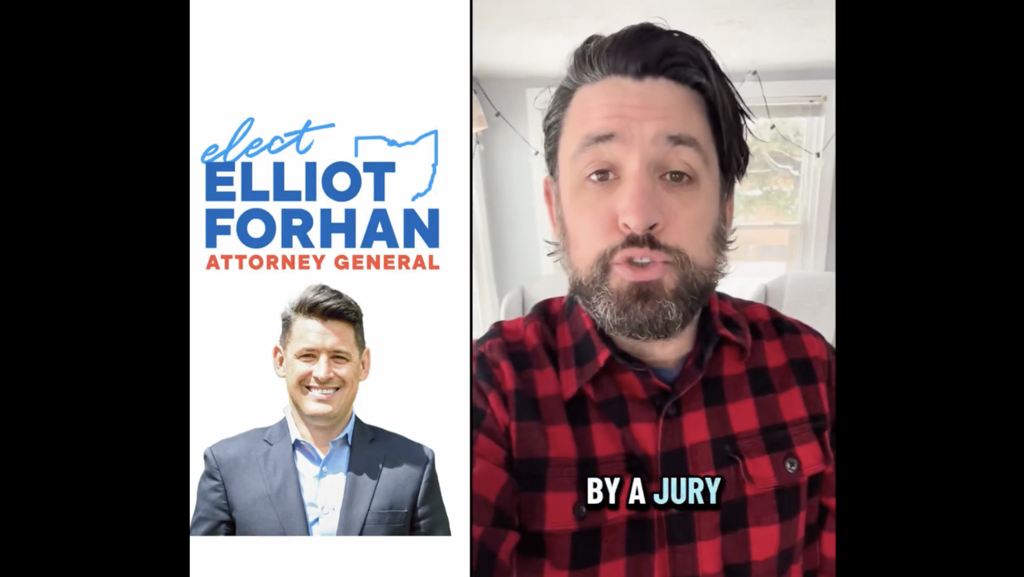
Elliot Forhan, a Democratic candidate for Ohio attorney general, has made headlines with a controversial statement regarding President Donald Trump. In a video posted online, Forhan declared, "I want to tell you what I mean when I say that I am going to kill Donald Trump. I mean I’m going to obtain a conviction rendered by a jury of his peers at a standard of proof beyond a reasonable doubt based on evidence presented at a trial conducted in accordance with the requirements of due process, resulting in a sentence, duly executed, of capital punishment." This declaration has sparked significant controversy and debate about political rhetoric in the current climate.
Explainer Navigating Virginia's Electoral Landscape: Key Issues and Reforms
Forhan's remarks underscore the intense political atmosphere surrounding Trump's presidency and the polarized views that many Americans hold regarding his administration. Critics of Forhan argue that such statements contribute to an atmosphere of violence and division within American politics. They contend that calling for the execution of a political opponent, even in a metaphorical sense, can incite real-world violence and further deepen the existing political divide.
Background on Political Rhetoric
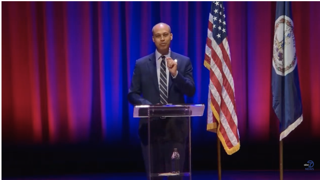
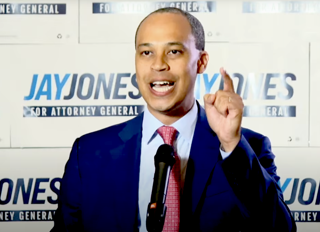
Forhan's comments come in the wake of previous incidents involving violent rhetoric from political figures, which have raised concerns about the normalization of such language in political discourse. A notable example occurred in November when Virginians elected Jay Jones as their attorney general despite his past remarks about wishing harm on Republican House Speaker Todd Gilbert. Jones had previously stated, "Three people, two bullets. Gilbert, Hitler, and Pol Pot. Gilbert gets two bullets to the head." His comments were met with backlash, yet he still managed to secure over 1.7 million votes in the election. This incident illustrates a troubling trend where extreme rhetoric can be overlooked or even accepted by voters.
Forhan's statement has drawn attention not only for its incendiary content but also for its implications regarding the state of political discourse in the United States. The normalization of violent rhetoric in politics raises concerns among observers about the potential for real-world consequences, as such statements may embolden individuals who harbor extreme views.
Responses and Reactions
While Forhan's campaign has not issued a formal response to the backlash surrounding his comments, political analysts note that such statements can alienate moderate voters who may be turned off by the aggressive tone. Supporters of Forhan might argue that his comments reflect a deep frustration with Trump's actions and policies during his presidency. However, critics assert that Forhan's remarks cross a line that should not be crossed in civil political discourse.
The Ohio Democratic Party has not publicly commented on Forhan's remarks, leaving some to question whether they endorse or disavow such rhetoric. Political experts suggest that candidates should be cautious about their language, especially in a highly charged political environment where every statement can be scrutinized and interpreted in various ways.
Broader Implications
The incident raises important questions about the boundaries of political speech and the responsibilities of candidates to promote civil discourse. As the 2026 elections approach, the stakes are high, and candidates are under increasing scrutiny for their statements and actions. Forhan's comments may resonate with some voters who feel strongly against Trump, but they also risk alienating those who prioritize a more measured and respectful approach to political debate.
As the political landscape continues to evolve, the impact of such rhetoric on voter sentiment and election outcomes remains to be seen. In a time when political divisions are pronounced, the responsibility of candidates to engage in constructive dialogue is more critical than ever. The challenge for candidates like Forhan will be to balance their passionate views with the need to foster a political environment that encourages dialogue rather than division.