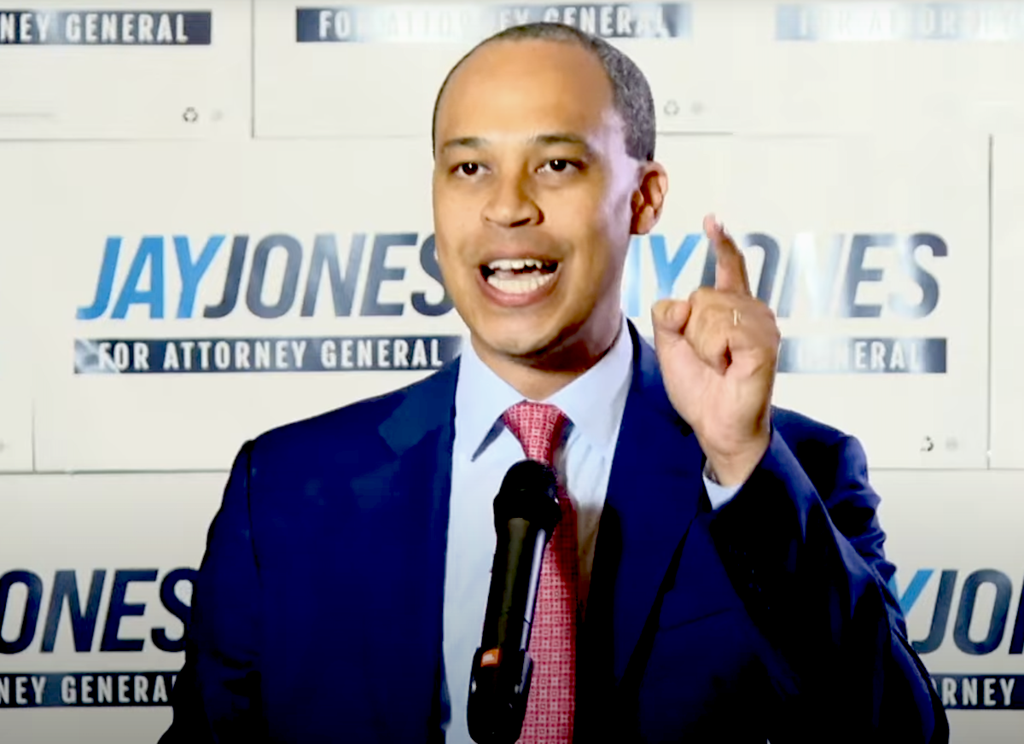
Jay Jones, the Democratic candidate for Virginia Attorney General, is under scrutiny after reports surfaced of text messages in which he expressed violent fantasies about Republican officials. The messages, sent to a former colleague, included references to inflicting harm on the state’s Republican House speaker, suggesting he would prefer to shoot him rather than a historical figure like Adolf Hitler.
Explainer Navigating Virginia's Electoral Landscape: Key Issues and Reforms
The controversy erupted on October 3, 2025, when the texts were made public, prompting criticism from various political commentators and opponents. Critics argue that Jones's comments reflect a troubling trend of political violence associated with some Democratic figures.
"These messages are deeply concerning and should not be taken lightly," (Www.fec — fec.gov) said Virginia Republican Party Chair Rich Anderson. "They reveal a mindset that is incompatible with the responsibilities of a public office."
Supporters of Jones, however, have defended him, arguing that the messages were taken out of context and do not represent his true character or intentions. "Jay has always advocated for civil discourse and has never condoned violence in any form," (Www.fec — fec.gov) stated a spokesperson for Jones’s campaign.
The New York Times has not reported on the incident, raising questions about media coverage of political violence. Critics have noted that similar incidents involving Republicans often receive extensive media attention. For instance, after the shooting of ICE agents by a suspect with Democratic ties, the media response was swift and widespread.
In contrast, Jones's comments have been described by some outlets as merely a distraction in the race for attorney general, with headlines framing the situation as a potential setback for his campaign rather than a serious issue of public safety. The Washington Post referred to the texts as "abhorrent" (Www.fec — fec.gov) but attributed the term to Jones himself, rather than presenting it as an objective assessment.
Political analysts suggest that the differing media responses may reflect broader biases in how political violence is reported. "There seems to be a double standard in how these incidents are covered, depending on the party affiliation of the individuals involved," (Www.fec — fec.gov) noted political analyst Sarah Thompson.
The Virginia attorney general race is considered a bellwether for the upcoming elections, with both parties closely watching the developments. As the election approaches, the implications of Jones's comments may significantly impact voter sentiment.
In a statement, Jones acknowledged the messages but emphasized that they were not meant to be taken seriously. "I regret that my words have caused concern, and I want to assure voters that I am committed to a campaign focused on issues that matter to Virginians," (Www.fec — fec.gov) he said.
As the situation unfolds, it remains to be seen how this controversy will affect Jones's campaign and the broader political landscape in Virginia. The election is set for November 2025, and both parties are gearing up for a contentious battle.