Noncitizen Voting in U.S. Elections: Risks, Realities, and Regulatory Challenges
This explainer examines the issue of noncitizen voting in U.S. elections, exploring legal constraints, investigative efforts, and the impact on election integrity.
Additional reporting by Liam Walker
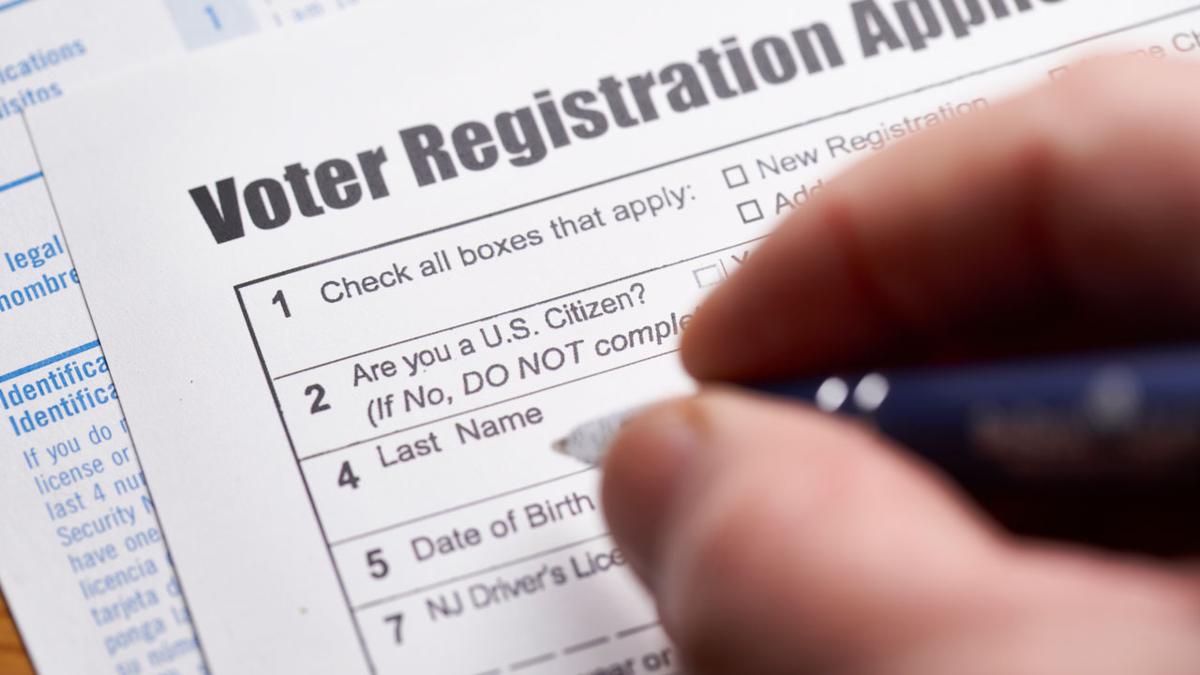
Understanding Noncitizen Voting and Its Legal Status
Noncitizen voting in federal elections is unequivocally prohibited under U.S. federal law, grounded in the Constitution’s allocation of electoral powers and statutes such as 18 U.S.C. § 611. The fundamental principle is that voting in federal elections is an exclusive right for citizens, reflecting the sovereign nature of American self-governance. This exclusivity is codified through Congress’s authority to regulate voter eligibility for federal offices, setting the legal bedrock against unauthorized participation.
Nonetheless, the subject of noncitizen voting generates persistent controversy, often spotlighted through sporadic cases and politically charged disputes. While federal law is clear in forbidding noncitizens from voting in races for President, Congress, and other federal offices, some local jurisdictions have experimented with expanding voting rights to noncitizens for select municipal elections. This shift raises legitimate concerns about safeguarding electoral integrity and maintaining consistent citizenship standards across the democratic process.
"Noncitizen voting threatens election integrity, demanding vigilant enforcement without compromising citizen rights or electoral confidence."
The U.S. Constitution’s Elections Clause grants Congress the power to determine procedures for federal elections, which courts have consistently interpreted as including citizenship requirements for voters. This firm legal framework underscores why any noncitizen ballot casts in federal elections is not only illegal but also a direct challenge to constitutional order. Consequently, ensuring compliance with these legal provisions remains a cornerstone of preserving American democracy against disunity or foreign influence.
Federal Crackdowns and Investigations Into Noncitizen Voting
In recent decades, federal authorities have increasingly focused on deterring illegal voting by noncitizens through targeted investigation and prosecution efforts. Notably, initiatives like "Operation Protect the Vote" exemplify government commitment to monitor voter rolls, identify irregularities, and pursue legal recourse against offenders. For example, this operation led to charges against at least 28 lawful permanent residents in California for offenses involving fraudulent registration and illegal voting, underscoring an active enforcement posture.
These crackdowns align with the Trump administration's aggressive approach, which reported approximately 1,600 voter fraud cases and about 160 arrests connected to noncitizen voting allegations nationwide. Such efforts demonstrate how election integrity advocates seek to protect the franchise from abuse while confronting practical challenges, including navigating civil liberties concerns and avoiding broad voter intimidation. Judicial rulings have intermittently curtailed investigations—especially those spanning multiple states—citing the risk of flawed data and overreach.
While critics question some of these enforcement measures, alleging potential voter suppression tactics, conservative analysts emphasize that vigilance against electoral fraud is imperative. The law enforcement collaboration between the Department of Homeland Security and the Department of Justice exemplifies balancing public protector duties with constitutional safeguards. Readers can explore the latest details on federal election fraud arrests and the multi-state investigations through our focused coverage on federal authorities report and DHS investigations.
Voter Roll Vulnerabilities and Challenges in Enforcement
The backbone of ensuring lawful voting lies in accurate and secure voter registration rolls, yet numerous problems afflict many jurisdictions. Systemic errors—like software glitches and insufficient citizenship verification—have led to the inadvertent registration of thousands of noncitizens, with states like New Jersey presenting case studies in administrative failures. These lapses sometimes allow hundreds of ineligible voters to cast ballots before detection and correction, shaking confidence in electoral systems.
Such vulnerabilities are not solely clerical mistakes but often reflect a fragmented approach to verification protocols across states and counties. Some argue that resolving these issues demands more robust oversight, while others caution against excessive purging risks disenfranchising legitimate voters through procedural mistakes. The debate over the best use of limited resources—whether emphasizing aggressive prosecutions or comprehensive voter roll maintenance—remains unresolved, with political and legal barriers compounding the complexities.
Legal confrontations have emerged around transparency efforts, with Republican groups pursuing access to noncitizen registration data in states resistant to public disclosure. These conflicts illustrate the tension between privacy rights, political accountability, and election security imperatives. For example, New Jersey’s governor has resisted data release amid federal pressure, as documented in the ongoing legal saga chronicled by our Republican lawsuit and reports revealing thousands of improperly registered noncitizens (New Jersey admission).
Effective voter roll management is a critical yet politically fraught task, requiring transparent, bipartisan cooperation to prevent illegal voting without eroding citizen participation. Conservative advocates stress the importance of technological improvements and procedural rigor to fortify electoral legitimacy.
Political and Policy Debates Surrounding Noncitizen Voting
Beyond enforcement, the question of noncitizen voting touches on deeper political and philosophical divides about democratic participation. Progressive officials in cities like Los Angeles have passed measures allowing noncitizen residents to vote in municipal elections, often with the intent of fostering inclusiveness among immigrant communities. These policies, while local and limited in scope, have sparked debates over the meaning of citizenship and the boundaries of democratic rights.
Supporters claim noncitizen voting fosters civic engagement and better local governance, contending it addresses the realities of permanent residents’ investment in their communities. Opponents, however, warn such expansions dilute the foundational principle that voting is a sovereign prerogative exclusive to citizens. From a conservative viewpoint, extending the franchise to noncitizens threatens electoral integrity and risks unintended political consequences by introducing voices unaccountable to the nation.
At the federal level, efforts to strengthen citizenship verification laws have ignited partisan standoffs, provoking high-stakes political drama. Legislative gridlock has sometimes intensified around these issues, with government shutdown threats illustrating the profound divisions over voter eligibility rules and their enforcement. Conservatives argue that maintaining a strict citizenship requirement is not only a legal obligation but essential for protecting the legitimacy of elected government representatives.
Our detailed reportage highlights how these disputes manifest in state and local chambers, including the Los Angeles City Council’s decision to permit noncitizen voting (LA decision). This cultural and ideological division points to a broader national conversation with no easy resolution.
The Actual Impact of Noncitizen Voting on U.S. Elections
Despite the political firestorm, empirical research and official investigations repeatedly show that noncitizen voting is statistically insignificant in affecting federal or statewide electoral outcomes. Scholars and government agencies alike confirm the overwhelming rarity of these occurrences, with enforcement cases usually uncovering isolated acts rather than widespread fraud. Such consensus suggests that while the problem merits attention, it is not a systemic threat to American democracy.
Nonetheless, even infrequent incidents carry outsized implications for public trust. The perception that elections may be compromised by illegal votes can erode confidence and be exploited by political actors to question election validity. Conservatives face the challenge of advocating for firm enforcement that upholds the law without perpetuating unfounded fears or voter suppression narratives.
This recognition underpins calls for legislative reforms such as the Secure Access to Voting and Elections (SAVE) Act, which aims to enhance verification protocols and impose stiffer penalties for voter fraud. Previous legislative discussions have emphasized the necessity of such reforms to close loopholes and protect elections from even marginal irregularities (SAVE Act push).
Balancing Election Integrity With Voter Access Rights
The pursuit of election integrity must be carefully balanced with the imperative to facilitate lawful and robust voter participation. Overly aggressive enforcement risks chilling the vote of eligible citizens through intimidation or confusion, thus undermining the very democratic principles conservatives seek to protect. This delicate equilibrium demands precision and restraint.
Many jurisdictions are pursuing measures to upgrade voter registration technology, improve data sharing between government agencies, and implement targeted audits focused on likely noncitizen registrants. Such approaches aim to preserve citizenship standards without broad disenfranchisement. However, political pressures have led some areas to step back from criminal referrals concerning noncitizen votes, illustrated by Fairfax County’s recent policy reversal after zero prosecutions were reported (Fairfax policy change).
Proactive yet transparent election administration, combined with adherence to constitutional protections, is crucial to sustain trust. Conservatives emphasize that safeguarding elections includes defending the right of citizens to vote freely while preventing illegal interference, a balance achievable through sound legal frameworks and responsible governance.
Legal Challenges and Judicial Oversight in Noncitizen Voting Cases
Federal courts have emerged as key arbiters in the contentious terrain of noncitizen voting enforcement. Judicial decisions have sometimes imposed necessary limits on broad investigatory sweeps, citing constitutional protections against voter intimidation and the dangers of relying on questionable data sources. These rulings highlight the judiciary’s role in ensuring that election law enforcement proceeds within due process boundaries.
The courts also navigate thorny issues of voter record transparency, weighing the interests of political accountability against privacy and harassment concerns. States like New Jersey have resisted full disclosure of noncitizen registration records, invoking fears of political weaponization of such data. These legal battles underscore competing values at play in election oversight.
Key judicial rulings provide an evolving framework that guides how aggressively government agencies can pursue illegal voting allegations without infringing on civil liberties. Our ongoing coverage tracks these developments, including federal charges following voter roll audits and governmental resistance to disclosure subpoenas (federal charges, data blocking).
By carefully engaging with these legal trials, conservatives advocate for election laws that ensure enforcement respects constitutional safeguards and discourages politicization, promoting electoral fairness and integrity.
Frequently asked questions
Is noncitizen voting legal in U.S. federal elections?
No, federal law strictly prohibits noncitizens from voting in federal elections. Violations are subject to prosecution.
How common is noncitizen voting in federal elections?
Research and federal investigations indicate that noncitizen voting is extremely rare and has not influenced election results.
What enforcement actions have been taken against noncitizen voters?
Federal authorities have conducted audits, arrested individuals, and charged noncitizens under operations like "Operation Protect the Vote."
Can noncitizens vote in any elections in the U.S.?
While illegal in federal and most state elections, some local jurisdictions allow noncitizen voting in municipal elections, which is controversial.
What challenges exist in preventing noncitizen voting?
Flawed voter rolls, software errors, legal pushback, and concerns over voter intimidation complicate enforcement efforts.
How do courts influence investigations into noncitizen voting?
Courts may limit investigations to protect against voter intimidation and ensure data reliability, balancing enforcement with civil rights.
How do authorities identify noncitizens on voter rolls?
Agencies cross-check voter registration data with federal immigration and naturalization records to find discrepancies.
What legislation exists to prevent noncitizen voting?
Legislation like the SAVE Act seeks to strengthen citizenship verification and penalize illegal voting practices.
Timeline of our coverage
- 2026-10-25 — States Remove Ineligible Voters, Few Face Prosecution
- 2026-10-24 — Concerns Over Noncitizen Voter Registrations Intensify Ahead of Elections
- 2026-10-20 — 28 Noncitizens Charged in California Voter Fraud Crackdown After CBS Segment Downplays Issue
- 2026-10-15 — Republicans Sue New Jersey Over Noncitizen Voter Registration Records
- 2026-09-28 — Feds Charge Two Noncitizens With Illegal Voting After New Jersey Voter Roll Audit
- 2026-09-22 — Federal Authorities Report 160 Election Fraud Arrests, Thousands of New Investigations
- 2026-09-05 — Trump DOJ Charges Far More Noncitizens in Election Fraud Than Biden DOJ
- 2026-09-04 — Fairfax County Ends Noncitizen Voter Referral Policy Amid Zero Prosecutions
- 2026-09-02 — DHS Launches Election Fraud Investigations in Nine States Ahead of Federal Vote
- 2026-08-03 — New Jersey Admits Thousands of Noncitizens Registered, Hundreds Voted Amid System Flaws
- 2026-07-24 — New Jersey Governor Blocks Release of Noncitizen Voter Records Amid Federal Pressure
- 2026-07-23 — New Jersey Admits 6,600 Noncitizens Improperly Registered to Vote, Blames Software Error
- 2026-06-19 — Los Angeles City Council Votes to Allow Noncitizens to Vote in Local Elections
- 2026-02-03 — Schumer Threatens Government Shutdown Over Voter Eligibility Legislation
- 2025-12-22 — Noncitizen Admits to Voting Multiple Times in Georgia Elections
- 2025-11-06 — Reelected Kansas Mayor Faces Charges Of Voting As Noncitizen
- 2025-11-03 — Congress Must Pass The SAVE Act As Judge Blocks Trump Order
The Bottom Line
- Voting is a fundamental right reserved for citizens, ensuring sovereign governance free from foreign influence.
- Noncitizen voting undermines public trust in elections and raises concerns about political interference.
- Robust enforcement protects election integrity but must carefully balance against voter intimidation risks.
- Transparent maintenance of voter rolls is crucial to prevent illegal registrations while safeguarding legal voter access.
Sources
- FEC
- Cbsnews.com: Judge Dhs Noncitizen Voters Ruling
- Abcnews.com: Justice Department Charges 2 Dozen California Sweep Targeting 137381132
- Gmg-wdiv-prod.cdn.arcpublishing.com: Federal Judge Orders Trump Administration To Halt Noncitizen Voting Investigation In 9 States (Oct 22, 2026)
- Cbsnews.com: Judge Federal Law Banning Noncitizen Voting Unconstitutional
- Time.com: Trump Non Citizen Voter Fraud Claims Research Immigration