Coldwater, Kansas, Mayor Joe Ceballos was reelected to a second four-year term this week, but the celebration was short-lived as Kansas Attorney General Kris Kobach filed election fraud charges against him the following day. Ceballos, 54, is a legal permanent resident of the United States and a citizen of Mexico, which raises questions about his eligibility to vote in U.S. elections.
Explainer Election Integrity: Protecting Voter Rights in Modern America
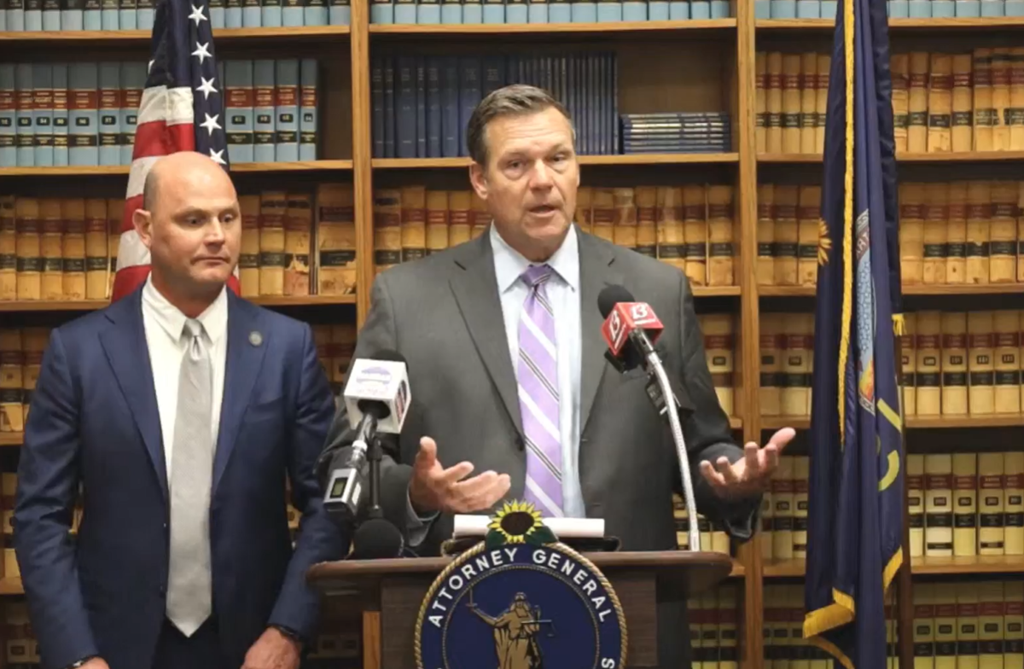
Kobach stated, "In Kansas, it is against the law to vote if you are not a U.S. citizen. We allege that Mr. Ceballos did it multiple times." Ceballos faces three counts of voting without being qualified and three counts of election perjury, charges that could lead to more than five years in prison. He is accused of voting in the 2022 and 2023 general elections, as well as the 2024 primary election, despite being registered to vote since 1990.
While Ceballos was not charged for holding office, Kobach noted that Kansas law requires city officers to be qualified electors, which includes being a U.S. citizen. "It is not a criminal offense to be in violation of that law, but it is worth noting," he added.
Ceballos ran unopposed for his second term in Coldwater, a rural town with a population of 687, located about an hour from Dodge City. According to KWCH, the Coldwater City Attorney, Skip Herd, indicated that Ceballos has been a green card holder and raised concerns regarding his pursuit of permanent citizenship. "He’s been a registered voter since 1990. He applied for citizenship in February of this year, and through that, raised the issue of whether he was a legal citizen," Herd said.
Despite the charges, Coldwater officials have decided that Ceballos can complete his term, which ends in two months. If his citizenship is not approved by then, council President Britt Lenertz will assume the mayoral role. Lenertz stated on Coldwater’s Facebook page, "While the recent allegations involving the mayor are understandably concerning, we will allow the proper legal process to take its course before making any further comments. It’s important that we respect both due process and the integrity of our local government."
Kobach and Kansas Secretary of State Scott Schwab are using this incident to underscore the issue of noncitizens registering to vote. Schwab remarked, "I’ve worked with Attorney General Kobach for years on proof of citizenship as a useful tool to root out election crimes. During my time as House Elections Chair, then Secretary Kobach and I fought to pass a proof of citizenship requirement. Instead, we’re left relying on individuals’ word when it comes to verifying citizenship."
The situation has reignited discussions about voter registration processes across the United States. Currently, many states only require individuals to answer a question on a postcard regarding their citizenship status, with no further verification needed. A recent federal court ruling stalled an executive order from former President Trump that mandated documentary proof of U.S. citizenship for voter registration, labeling it unconstitutional.
The Safeguard American Voter Eligibility Act (SAVE Act), introduced by Rep. Chip Roy, R-Texas, aims to require states to obtain documented proof of citizenship from potential voters to prevent noncitizens from participating in elections. Kobach emphasized the challenges in identifying noncitizens on voter rolls, stating, "The only way you can discover that a noncitizen is on the voter rolls is if some sort of external information comes to light which indicates that that person is not a U.S. citizen."
As the legal proceedings unfold, the case of Mayor Ceballos serves as a focal point in the ongoing debate over election integrity and the importance of verifying voter eligibility in the United States.