Federal and state officials have identified thousands of ineligible voters across several states, but only a small fraction of those cases have resulted in criminal prosecution, according to state and federal authorities.
Explainer Noncitizen Voting in U.S. Elections: Risks, Realities, and Regulatory Challenges
The gap between identifying potential illegal voting and prosecuting offenders highlights the challenges local prosecutors face in prioritizing election cases over other crimes.
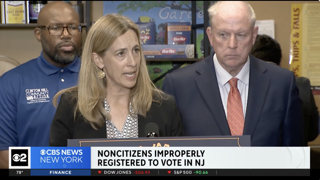
In recent years, states including Ohio, Texas, North Carolina, Maine, Michigan, Alaska, Kansas, and Iowa have removed large numbers of ineligible voters from their rolls. These removals include noncitizens, deceased individuals, people registered in multiple states, and those with felony convictions. For example, Texas removed more than 1 million ineligible voters between 2021 and 2024, while North Carolina removed over 747,000 in 2023 and 2024 and nearly 499,000 more in early 2025. Maine canceled over 217,000 registrations in 2025, and Alaska removed 3,048 names from its active list in 2026.
Federal and State Prosecutions
Despite these removals, prosecutions remain rare. In Ohio, the Justice Department charged three noncitizens with voting after the state referred 167 federal cases of suspected noncitizen voting. Ohio Secretary of State Frank LaRose said his office has referred over 1,000 election fraud cases from even-numbered years to the Department of Justice and local prosecutors. LaRose noted that local prosecutors often focus on more serious crimes, saying, "It’s difficult to get county prosecutors to prosecute voter fraud cases. They become prosecutors to go after murderers and rapists."
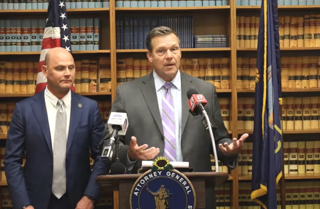
Michigan Attorney General Dana Nessel reported 16 referrals in 2025 and 22 more in 2026 for suspected noncitizen voting, resulting in five prosecutions in August. In Kansas, two noncitizens were indicted by federal grand juries last month for voting, and Attorney General Kris Kobach has led prosecutions against several noncitizens, including a former mayor. In North Carolina, the Justice Department recently announced charges against 10 noncitizens for allegedly casting ballots.
Maine prosecuted two individuals for duplicate voting in the 2020 election. In Iowa, 277 confirmed noncitizens were registered to vote after checks through the federal SAVE database, with 35 ballots counted in the 2024 general election and five attempted ballots rejected. A spokesman for Iowa Secretary of State Paul Pate did not respond to questions about whether these individuals were removed from the rolls or prosecuted.
Verification Efforts and Federal Involvement
The Department of Homeland Security (DHS) and the Department of Justice have increased efforts to identify and prosecute noncitizen voting. The Trump administration made the DHS Systematic Alien Verification for Entitlements (SAVE) database available to state election officials to verify citizenship status. Since April 2025, SAVE has identified more than 24,000 potential noncitizens on voter rolls, with cases referred to ICE’s Homeland Security Investigations for further review, according to a DHS spokesperson. Most arrests of noncitizen voters have been made by Homeland Security Investigations.
"The Department of Justice and Department of Homeland Security are 'laser focused on prosecuting and removing aliens who vote and preventing the dilution of the votes of U.S. citizens,'"
— DHS spokesperson
In Texas, voter registrations are managed at the county level, and suspected noncitizen registrations are referred to counties for investigation. In September, the Texas Secretary of State’s office referred 117 cases to the state attorney general for investigation. Alicia Pierce, spokeswoman for Texas Secretary of State Robert Howden, explained the process of county-level review and investigation.
State Responses and Legislative Proposals
Ohio Secretary of State LaRose said the state’s Bureau of Motor Vehicles already checks citizenship status, allowing Ohio to catch about 85% of noncitizens who might attempt to vote. LaRose argued that the proposed SAVE America Act, which would require voter ID and proof of citizenship to register in federal elections, would have little impact in Ohio due to existing safeguards. He also highlighted the creation of an election integrity unit staffed by retired police officers to conduct investigations before referring cases to prosecutors.
LaRose emphasized that his office gathers evidence from federal elections and submits it to the Justice Department, which has jurisdiction over federal cases. While critics argue that more aggressive prosecution is needed, some officials note that inaccurate voter registrations can result from clerical errors rather than intentional illegal voting.
Ohio is among several states with competitive races that could influence control of the U.S. Senate. Republican Sen. Jon Husted is currently facing a challenge from former Democrat Sen. Sherod Brown. Officials in several states did not respond to questions about the status of removals or prosecutions related to ineligible voters.