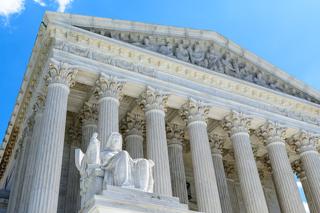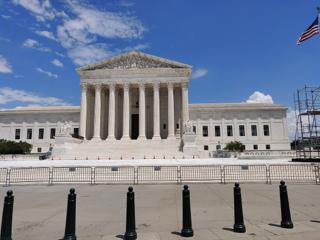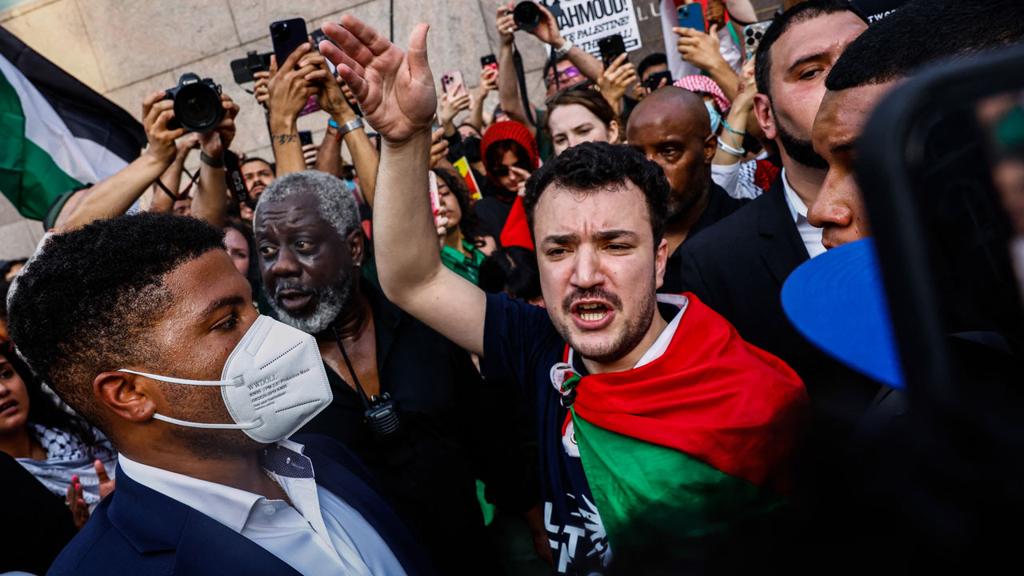
Syrian-born Palestinian activist Mahmoud Khalil is seeking Supreme Court review in his ongoing fight against deportation from the United States, in a case that could set a significant precedent regarding the government’s authority to expel foreign political activists. The outcome may have far-reaching implications for the rights of noncitizens to engage in political speech and activism while residing legally in the U.S.
Explainer Free Speech Battles: Navigating Rights and Censorship in Modern Society
The dispute centers on whether noncitizens who are lawfully present in the United States possess First Amendment rights that protect their ability to participate in political activism, particularly when that activism challenges or criticizes American foreign policy. At issue is also the extent of the executive branch’s power to remove noncitizens from the country based on their political activities.
Khalil, who is a graduate student at Columbia University, was detained by Immigration and Customs Enforcement (ICE) after the Trump administration initiated deportation proceedings. The administration argued that Khalil’s activism supported Hamas, a group designated as a terrorist organization by the U.S. government, and that his actions harmed Israel, a key U.S. ally. Khalil is not a U.S. citizen but has been residing in the country legally.
A New Jersey judge initially ordered Khalil’s release from ICE custody, finding that the government’s case was likely to fail on First Amendment grounds. The judge’s decision allowed Khalil to continue his activism while his case proceeded. However, a federal appeals court in Pennsylvania later overturned that decision, siding with the government and reinstating its authority to detain Khalil pending deportation proceedings.
Legal and Historical Precedents
Khalil’s case echoes longstanding debates over the limits of foreign activism within the United States. Historically, the U.S. government has exercised broad authority over the presence and activities of foreign nationals, especially in times of perceived national security threats. The Alien and Sedition Acts, signed into law by President John Adams in the late 18th century, granted the president sweeping powers to deport foreigners deemed dangerous, particularly during periods of conflict or heightened tensions.
While some provisions of those laws, such as the Alien Friends Act, were later repealed, the Alien Enemies Act remains in force today. This law allows for the deportation of nationals from enemy countries during wartime and reflects a longstanding tradition of granting the executive branch significant discretion over the status of foreign nationals, especially those engaged in political activities that might be seen as threatening.
Current immigration law also permits the removal of a noncitizen if the Secretary of State determines that their presence in the United States could have serious adverse foreign policy consequences. These legal frameworks underscore the government’s ability to act against foreign nationals whose activities are perceived as undermining U.S. interests or security.
Supporters of Khalil argue that noncitizens should be afforded free speech protections under the First Amendment, pointing to previous judicial rulings that have extended certain constitutional rights to noncitizens lawfully present in the country. Critics, including officials from the Trump administration, contend that allowing foreign nationals to organize politically against U.S. policy risks undermining national sovereignty and the principle of self-government.
"If the Supreme Court takes this case and gets it wrong, it won’t be the First Amendment that’s saved—it will be our self-government as a distinct people that’s lost."
— The Daily Signal commentary
The case has also drawn historical comparisons to incidents such as the efforts of French envoy Edmond-Charles Genet, who attempted to influence American policy during the French Revolution. Genet’s activities led to early debates over the limits of foreign influence and the government’s authority to deport foreign nationals engaged in political advocacy.
Political and Policy Implications
The Khalil case has become a flashpoint in the broader debate over the rights of noncitizens in the United States and the government’s ability to regulate political activism by foreign nationals. Supporters of Khalil maintain that the First Amendment’s protections should not be limited solely to citizens, especially when noncitizens are lawfully present and participating in peaceful political activities. They argue that restricting such rights could have a chilling effect on academic freedom, international exchange, and the robust debate that has long characterized American democracy.
Opponents, however, warn that granting broad free speech rights to noncitizens could open the door to foreign interference in domestic affairs and weaken the government’s ability to protect national interests. The Trump administration’s position, which was upheld by the federal appeals court, reflects a view that the executive branch must retain the authority to act decisively when foreign nationals are perceived as engaging in activities that threaten U.S. policy or security.
No response from Khalil’s supporters or legal team was included in the original report, and it remains unclear how the Supreme Court will proceed if it agrees to hear the case. The Court’s decision to take up the case—or to decline—could signal how it views the balance between constitutional rights and executive authority in the context of immigration and national security.
What to Watch
If the Supreme Court accepts Khalil’s case, it will revisit a question that has shaped American immigration and free speech law for more than two centuries: when, if ever, can the U.S. government deport a foreign political activist for their speech or organizing activities? The outcome could clarify the extent to which noncitizens are protected by the First Amendment and define the boundaries of executive power in matters involving national security and foreign policy.
Legal experts and advocates on both sides are closely watching the case, which could have implications not only for Khalil but for thousands of noncitizens who engage in political activism or advocacy while living in the United States. The Supreme Court’s eventual ruling may set a new standard for how the country balances its tradition of free expression with concerns about sovereignty and security.