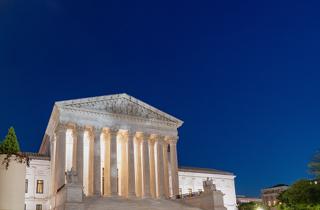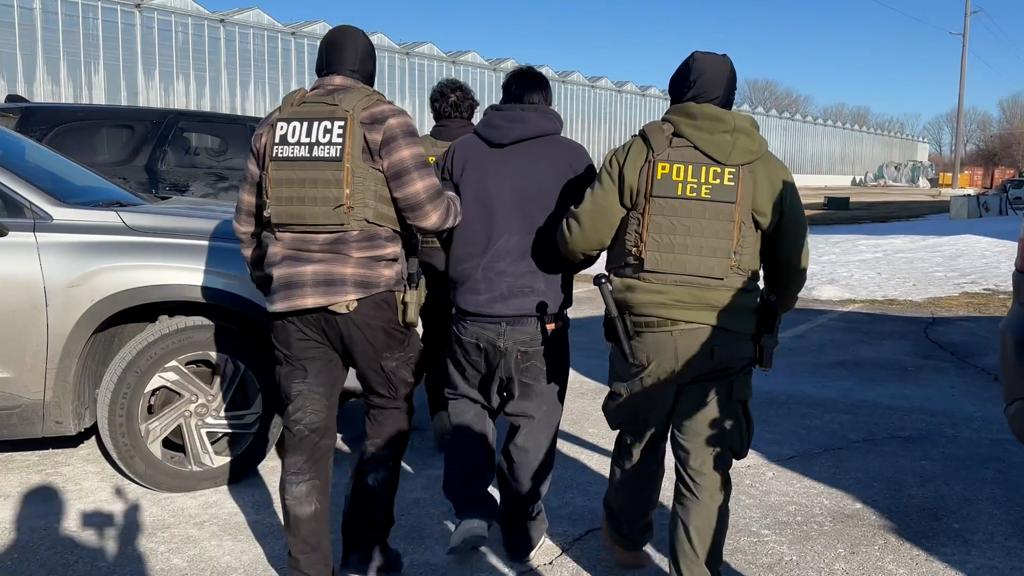
The U.S. Supreme Court on Tuesday lifted a lower court injunction that had blocked the Trump administration from deporting people in the country illegally to third countries. This decision clears the way for the policy to resume while the justices consider the underlying legal questions. The 6-3 ruling, with Justices Sonia Sotomayor, Elena Kagan, and Ketanji Brown Jackson dissenting, grants the administration’s request to pause a ruling by District Judge Brian Murphy, a Biden appointee, who had sought to halt the removals.
Explainer Understanding the Supreme Court’s Impact on Law and Liberty
At the heart of the dispute is whether the federal government can deport noncitizens to countries other than their nation of origin. The Trump administration argues that this authority is essential for effective immigration enforcement, especially in cases where returning individuals to their home countries is not feasible. Critics, however, say the policy raises serious legal and humanitarian concerns, including the risk of sending vulnerable migrants to countries where they may face harm.
The case is part of a broader legal battle over the Trump administration’s efforts to expand deportation authority. This follows a directive for the Department of Homeland Security (DHS) to take “all appropriate actions” to remove noncitizens with outstanding deportation orders. The Supreme Court’s intervention comes after a series of conflicting lower court rulings and repeated emergency appeals by the administration.
Supreme Court’s Latest Order
In its unsigned order, the Supreme Court not only stayed Judge Murphy’s latest injunction but also agreed to hear arguments in the case during its upcoming 2026 term. The justices instructed both sides to file briefs addressing several key questions. These include whether Judge Murphy had jurisdiction to issue the injunction, whether he could grant classwide relief under federal law, and whether the administration’s guidance on third-country removals is lawful under federal statutes and the due process clause of the Constitution.
The order specifies that the pause on Murphy’s injunction will remain in effect until the Supreme Court issues a final decision on the merits. Arguments are scheduled for December, with the exact date to be announced. Until then, the Trump administration can continue to carry out third-country deportations under its current policy.
Lower Court Actions and Criticism
Judge Murphy’s repeated efforts to block the policy have drawn criticism from both the Supreme Court majority and dissenting justices. After the high court first stayed his preliminary injunction last year, Murphy issued an order asserting that the Supreme Court’s action did not affect his initial blockade. The justices responded with a 7-2 clarification, affirming that their ruling did cover Murphy’s injunction. Justice Elena Kagan, while concurring with the clarification, wrote that she did “not see how a district court can compel compliance with an order that this Court has stayed.”
“I do not see how a district court can compel compliance with an order that this Court has stayed.”
— Elena Kagan, Supreme Court Justice
Murphy ultimately issued a final judgment blocking third-country deportations in February. The 1st Circuit Court of Appeals initially paused that order but later allowed it to take effect earlier this month, prompting the administration’s latest appeal to the Supreme Court. This sequence of events highlights the ongoing legal uncertainty surrounding the policy and the broader debate over the limits of judicial authority in immigration matters.
Administration’s Arguments and Policy Details
U.S. Solicitor General D. John Sauer argued to the justices that the lower court’s orders deprived the government of “an essential tool to remove certain aliens, including some of the worst criminal aliens.” According to court filings, the Department of Homeland Security issued internal guidance instructing Immigration and Customs Enforcement (ICE) to consider third-country removals for those with deportation orders who could not be returned to their home countries due to concerns about torture or other risks.
The guidance requires that affected individuals receive notification of the intended removal, an opportunity to express fear of torture or persecution, and, if necessary, a screening process before removal to a third country. The administration maintains that these procedures are designed to comply with both U.S. law and international obligations, while still enabling the government to enforce immigration orders against individuals who cannot be repatriated to their countries of origin.
What Comes Next
The Supreme Court’s decision to pause the lower court’s injunction allows the Trump administration to continue third-country deportations while the case is pending. The justices will hear arguments in December, and the stay will remain in effect until a final ruling is issued. The outcome of the case could have significant implications for the administration’s immigration enforcement powers and the scope of judicial oversight over deportation policy.
Supporters of the policy argue it is necessary for public safety and border security, contending that it allows the government to remove individuals who pose risks or have committed serious crimes. Opponents, however, contend that the policy risks violating due process rights and international protections for vulnerable migrants, particularly those who may face harm if sent to a third country. The Supreme Court’s eventual decision will likely shape the future of U.S. deportation practices and the balance of power between the executive and judicial branches in immigration matters.