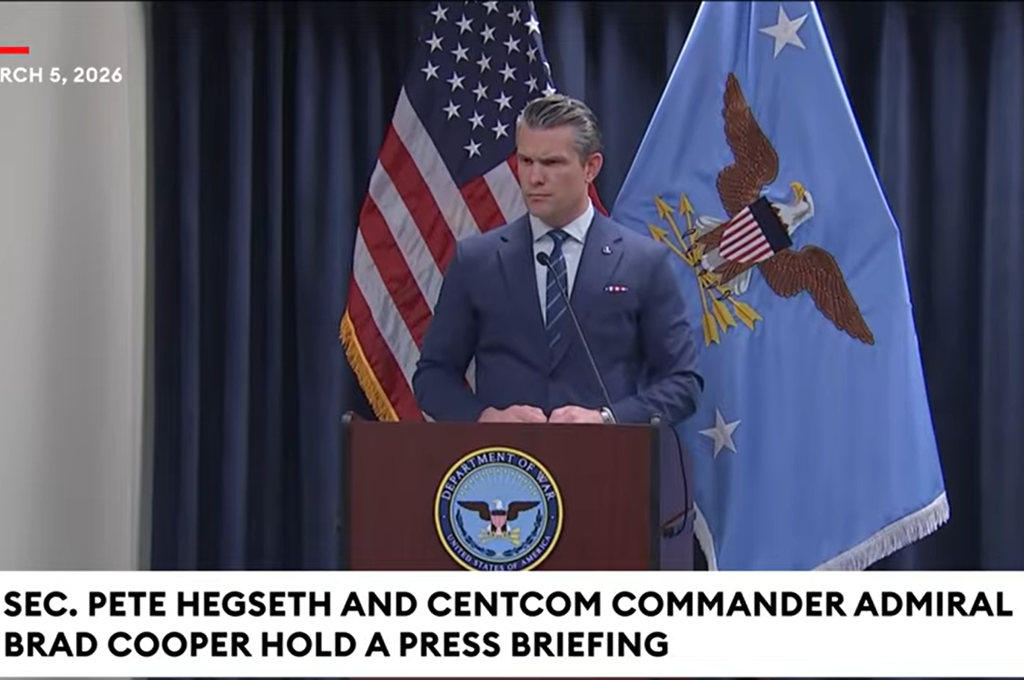
The Trump administration has confirmed that it does not plan to accept any refugees from the ongoing conflict in Iran. Secretary of War Pete Hegseth stated, "It’s safe to say there’s no plan for a wave of new Middle Eastern refugees to the United States of America," emphasizing that regional countries should provide support instead.
This position reflects a broader concern about the implications of U.S. military actions in the Middle East, particularly given the historical context of previous conflicts that led to significant refugee resettlements in the U.S. Critics argue that accepting refugees could lead to similar challenges faced in past military engagements, including issues of integration and security.
The current conflict in Iran is still developing, with operations against the Iranian regime described as swift and impactful. However, the administration's commitment to avoiding a refugee influx raises questions about the long-term strategy and humanitarian considerations associated with military interventions.
Historical Context of U.S. Military Engagements
Past U.S. military actions in the Middle East have often resulted in large numbers of refugees seeking asylum in the United States. For instance, following the Iraq War, an estimated 150,000 Iraqis were resettled in the U.S. from 2008 to 2023. Similarly, the withdrawal from Afghanistan in 2021 led to a significant increase in Afghan refugees, with approximately 150,000 resettled during that period alone.
The administration's firm stance against accepting Iranian refugees comes amid concerns about the potential for similar outcomes in the current conflict. Hegseth noted that there are many countries in the region capable of providing support for those displaced by the conflict, suggesting that the U.S. should not bear the burden alone.
Concerns Over Refugee Vetting and Integration
Critics of refugee resettlement often cite issues related to vetting and integration as significant concerns. Reports from the Department of Homeland Security have indicated challenges in properly screening refugees, raising questions about national security. For example, a 2022 report highlighted that the Biden administration had not always maintained adequate data for vetting Afghan evacuees, leading to potential risks.
Additionally, incidents involving Afghan refugees in the U.S. have fueled skepticism about the effectiveness of resettlement programs. Some Afghan nationals have faced criminal charges, prompting concerns about the integration process and the impact on local communities.
While the Trump administration has reiterated its commitment to not accepting refugees from the Iran conflict, it remains unclear how this policy might evolve as the situation develops. Hegseth's comments suggest a desire to avoid the pitfalls of previous administrations, which often faced backlash for their handling of refugee resettlement.
Future Implications of U.S. Policy
The administration's current position may reflect a broader strategy to limit the U.S. role in managing refugee crises stemming from military conflicts. However, the potential for changing circumstances in Iran could lead to a reassessment of this policy. The historical precedent of shifting U.S. immigration policies in response to international crises raises concerns about future commitments.
As the conflict continues, the administration's approach to refugees will likely be scrutinized by both supporters and critics. While some argue that accepting refugees is a moral obligation, others contend that it could lead to further complications and security risks.
In conclusion, the Trump administration's firm stance against accepting Iranian refugees amid the ongoing conflict highlights a significant tension between humanitarian considerations and national security concerns. As the situation evolves, the administration's policies may face pressure to adapt, reflecting the complexities of U.S. involvement in the Middle East.