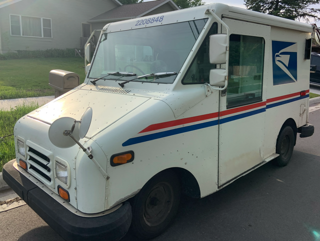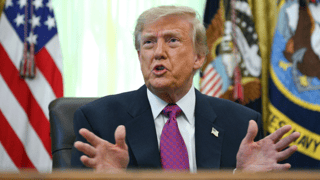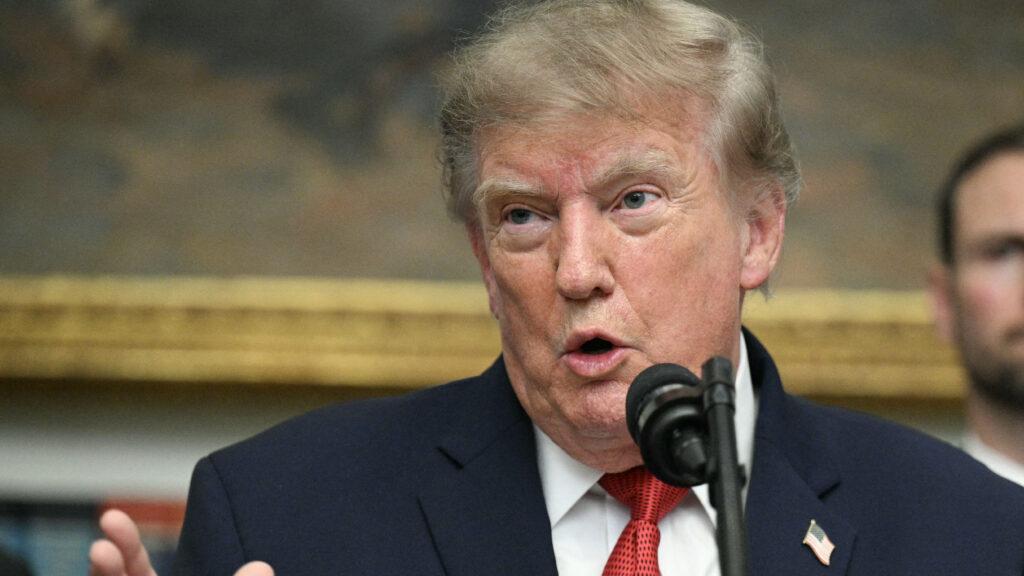
The Supreme Court on Monday allowed the federal government to continue enforcing President Donald Trump’s executive order on election integrity, which restricts the delivery of mail-in ballots, as ongoing litigation over the policy continues. In a 6-3 decision, the justices issued a stay through the Court’s shadow docket, effectively pausing a lower court ruling that had blocked the order. This move enables the executive order’s implementation ahead of the upcoming midterm elections, a period when mail-in and early voting are set to begin in several states.
Explainer Securing America's Elections: Challenges, Reforms, and the Path Forward
The case centers on whether states led by Democratic officials have the legal standing to challenge the executive order. The order requires the U.S. Postal Service to deliver mail ballots only to individuals listed as eligible voters on a federally created list. The Supreme Court found that the states did not face a direct burden or obligation from the order sufficient to establish Article III standing, a constitutional requirement for bringing a case in federal court.
The dispute underscores ongoing partisan divisions over election security and access to voting, with the Supreme Court’s intervention shaping how mail-in ballots will be distributed and processed as the election season begins.
The Supreme Court’s Decision
The Court’s majority, in a 6-3 split, determined that the states challenging Trump’s March executive order had not demonstrated a direct injury. This demonstration of injury is a necessary requirement for standing in federal court. The justices’ unsigned opinion stated, “The Court’s disposition of this application does not mean that any measure taken by the Government to implement the Order will necessarily be lawful. On that score, time will tell.”
By granting the stay, the Supreme Court allows the federal government to proceed with the order’s provisions while the underlying case continues on appeal. The decision does not resolve the case on its merits, and further legal proceedings are expected as the litigation moves forward. The Court’s ruling was limited to the question of standing and did not address whether the executive order itself is ultimately lawful or constitutional.
The Executive Order and Legal Challenge
President Trump’s executive order, issued in March, mandates that the U.S. Postal Service deliver mail-in ballots only to individuals included on a federally created list of eligible voters. The stated goal of the policy is to tighten controls over the distribution of mail ballots, which supporters argue will help strengthen election integrity and prevent ineligible individuals from receiving ballots.
The order was challenged in court by Democratic officials from 23 states and the District of Columbia, led by California Attorney General Rob Bonta. California, the lead plaintiff in the case, has some of the nation’s most permissive ballot-harvesting laws, allowing voters to designate “any person” to return their ballot under a 2016 statute. The plaintiffs argued that the executive order would interfere with state election laws and restrict access to voting by mail.
Implementation and Reactions
On Friday, the U.S. Postal Service announced how it would implement the executive order’s requirements, although specific details of the plan were not disclosed in the Supreme Court’s ruling. The timing of the Court’s decision is significant, as early and mail voting are set to begin in several states next month, and election officials are preparing for a surge in mail-in ballots.
"The Court’s disposition of this application does not mean that any measure taken by the Government to implement the Order will necessarily be lawful. On that score, time will tell."
— Supreme Court majority opinion
Democratic officials have criticized the executive order as an attempt to restrict voting access, arguing that it could disenfranchise eligible voters who rely on mail-in ballots. However, the Supreme Court’s ruling focused solely on the legal question of whether the states had standing to challenge the order, rather than the merits of the policy itself. Supporters of the executive order contend that it is necessary to ensure that only eligible voters receive mail ballots, thereby protecting the integrity of the election process.
The Supreme Court did not address whether the order’s implementation would ultimately be upheld as lawful. The case will continue to move through the courts, with further proceedings expected to determine the legality of the executive order and its impact on mail-in voting. For now, the federal government is permitted to enforce the order as the legal battle continues.