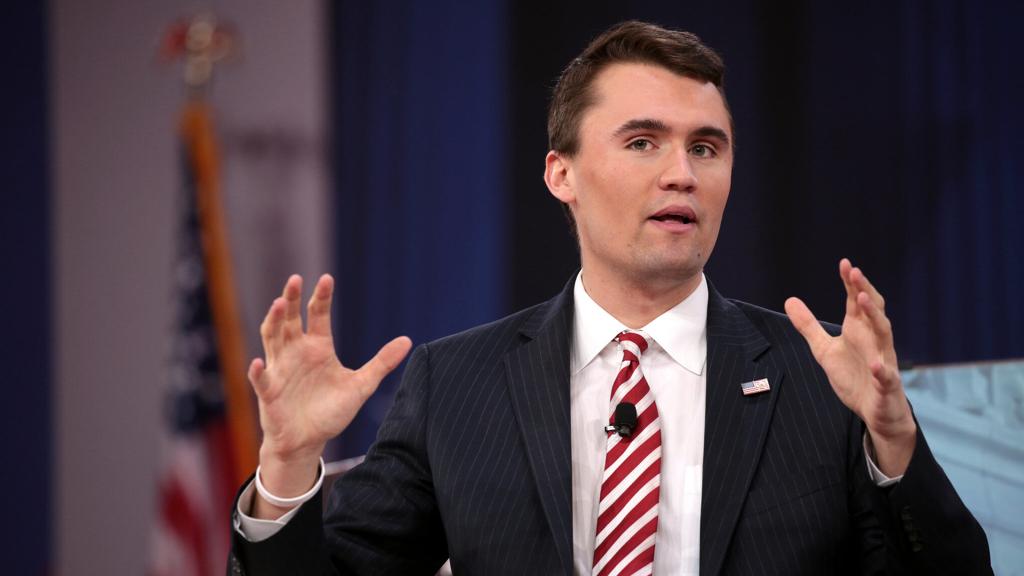
Charlie Kirk, a prominent figure in the conservative movement, was assassinated on Wednesday while hosting a campus discussion event. The identity of the shooter remains unknown, but some conservative commentators are attributing blame to what they describe as inflammatory rhetoric from radical leftists.
Explainer Understanding the Transgender Discourse: Rights, Policies, and Challenges
In the wake of Kirk's death, critics have pointed to a history of violence against conservatives, including previous assassination attempts on public figures such as Rep. Steve Scalise and Supreme Court Justice Brett Kavanaugh. Mike Cernovich, a conservative commentator, suggested on social media that the Republican Party's perceived weakness has contributed to this climate of violence, stating, "The weakness of the GOP led us to this moment." (U.S. DOJ)
The narrative surrounding Kirk's assassination highlights a broader concern among conservatives about a culture that they believe dehumanizes their political ideology. They argue that leftist rhetoric fosters an environment where violence against conservatives is tolerated or even encouraged.
Historically, attacks on conservative figures have been met with condemnation but little action to address the underlying issues. For instance, in 2012, Floyd Lee Corkins shot a security guard at the Family Research Council, citing opposition to the organization's stance on marriage. Despite the outcry, critics argue that Republicans failed to take meaningful steps to counteract the rhetoric that led to such violence.
In subsequent years, several high-profile incidents have raised alarms within the conservative community. Scalise was nearly killed in a shooting by a supporter of Bernie Sanders, and there were attempts on former President Donald Trump's life during his campaign rallies.
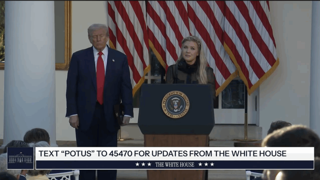
Following Kirk's assassination, Trump addressed the nation from the Oval Office, vowing to hold accountable those who contribute to political violence. His pledge to confront organizations that support such actions stands in contrast to what some perceive as the Republican Party's typical response of issuing statements without substantive follow-up.
Conservative commentators argue that the network of groups and individuals who perpetuate this violence, including Antifa and certain media outlets, must be confronted to prevent future attacks. They believe that without real consequences for those who engage in or support violent rhetoric, the cycle of violence will continue.
As the investigation into Kirk's assassination unfolds, the political discourse surrounding the event is likely to intensify, with both sides of the aisle weighing in on the implications for political rhetoric and accountability.