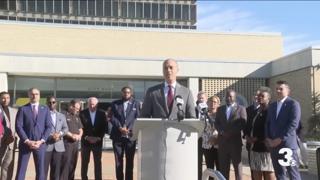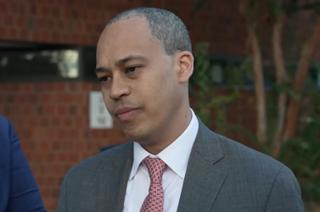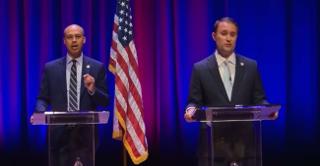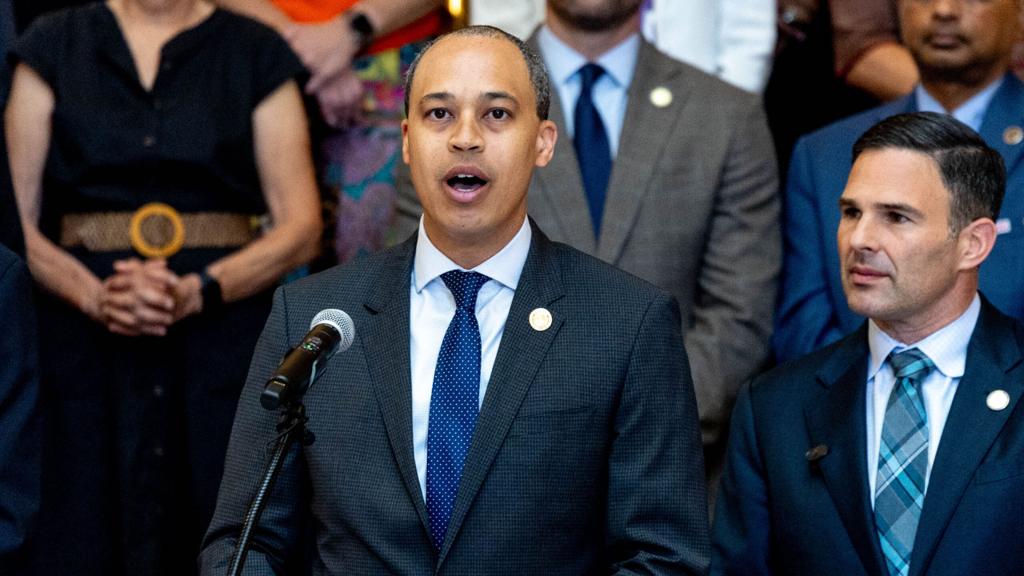
Virginia Attorney General Jay Jones issued a memo to local election officials earlier this month, cautioning about the potential presence of "armed federal agents" at polling locations during the 2026 midterm elections. Jones cited concerns over possible intimidation and interference, reflecting a broader national anxiety about election integrity and security. The memo has sparked debate over whether federal law enforcement could appear at polling sites, with federal agencies firmly denying any such plans. Critics, meanwhile, have accused Jones of stoking unnecessary fear among voters and election workers.
Explainer Virginia's Legal Battles Over Gun Control, Abortion, and Redistricting Explained
The warning comes amid heightened partisan tensions over election security. In recent election cycles, both Democrats and Republicans have traded accusations about voter intimidation and interference. The memo is the latest example of how concerns about the conduct and safety of U.S. elections have become a flashpoint in American politics.
Details of the Virginia Memo
The 10-page memo, sent jointly by Jones' office and the Virginia Department of Elections, outlines "concerns about potential actions by the federal government," including the possible deployment of armed agents at polling locations and the seizure of sensitive election materials. The document provides guidance for election clerks on how to respond if federal agents approach or enter a polling site.
Specifically, the memo recommends that local officials contact local law enforcement immediately and secure any sensitive materials if federal agents arrive. However, it also instructs them not to physically obstruct federal officers. The memo further advises officials to carefully document details about any federal officer presence, such as the names of the agents, their agencies, and whether they are armed.
The guidance emphasizes that it is for informational purposes only and does not constitute legal advice. "There is heightened public concern regarding potential interference in the 2026 General Election," the memo states, underscoring the atmosphere of uncertainty and vigilance surrounding the upcoming vote.
Federal Agencies Respond
In response to the memo, spokespeople for the Department of Justice (DOJ) and Department of Homeland Security (DHS) said Monday that neither agency has plans to send federal agents to polling locations in Virginia or elsewhere. DOJ spokeswoman Kiersten Pels stated, "DOJ has never said it would send federal law enforcement to polling sites, and any suggestion otherwise is fear-mongering."
A DHS spokesperson added that Immigration and Customs Enforcement (ICE) is not planning any operations targeting polling locations. "ICE conducts intelligence-driven targeted enforcement, and if an active public safety threat endangered a polling location, they may be arrested as a result of that targeted enforcement action," the spokesperson said. Both DHS and DOJ, according to their statements, are focused on prosecuting and removing non-citizens who vote and on preventing the dilution of U.S. citizens' votes, rather than interfering with the voting process itself.
Political Reactions and Broader Context
The memo has drawn criticism from some Republicans, including former Virginia Attorney General Ken Cuccinelli, now chairman of the Election Transparency Initiative at The Heritage Foundation. Cuccinelli characterized Jones' memo as alarmist and accused Democrats of exaggerating standard election guidance to "drum up and scare people to score political points for Jay Jones."
"It’s being blown up by Democrats for the people they presume are the idiot masses to drum up and scare people to score political points for Jay Jones."
— Ken Cuccinelli, chairman, Election Transparency Initiative
Cuccinelli also noted that similar warnings were made by Democrats in 2022 about the potential presence of armed Trump supporters at polling places, but said those fears did not materialize. He suggested that Jones should report after Election Day how many armed federal agents, if any, actually appeared at polling sites.
Democratic lawmakers have also raised concerns about the possibility of federal agents at polling sites. In July, Senators Tammy Duckworth and Ed Markey, along with Senate Minority Leader Chuck Schumer and other Democrats, sent a letter to federal officials inquiring about the issue. Their letter reflected ongoing worries among some Democrats about the potential for federal interference in elections.
In a related move, California Governor Gavin Newsom signed legislation in September to restrict the removal of ballots or election records and to require local officials to report any subpoenas or warrants for such materials. This legislation is part of a broader trend among some states to strengthen protections around election materials and processes in response to concerns about interference or improper access.
Despite the controversy, neither the Virginia attorney general's office nor the Virginia Department of Elections responded to requests for comment on the memo or the federal agencies' denials. The debate over the memo highlights the ongoing challenges facing election officials as they seek to balance security, transparency, and public confidence in the electoral process ahead of the 2026 midterms.