A recent opinion piece in The Federalist has reignited discussions about the quality and originality of Donald Trump impersonations in comedy. Columnist Eddie Scarry argues that these impressions have become stale and unfunny, suggesting that the comedic community should move beyond them as the new year begins.
The core tension lies in the balance between comedic expression and audience fatigue, as many feel that the repetitive nature of Trump impersonations detracts from the art of comedy. Scarry states, "Trump impersonations are low-tier comedy. The lowest tier," emphasizing his belief that they no longer resonate with audiences.
Impersonations have long been a staple of comedic performance, often relying on recognizable traits of public figures to elicit laughter. However, Scarry contends that the novelty of such performances has worn off, particularly in the case of Trump, whose mannerisms and speech patterns have been widely parodied since he first entered the political arena. He notes that while there may have been a brief period of novelty in 2011, the originality has faded significantly over the years.
The Case Against Impersonations
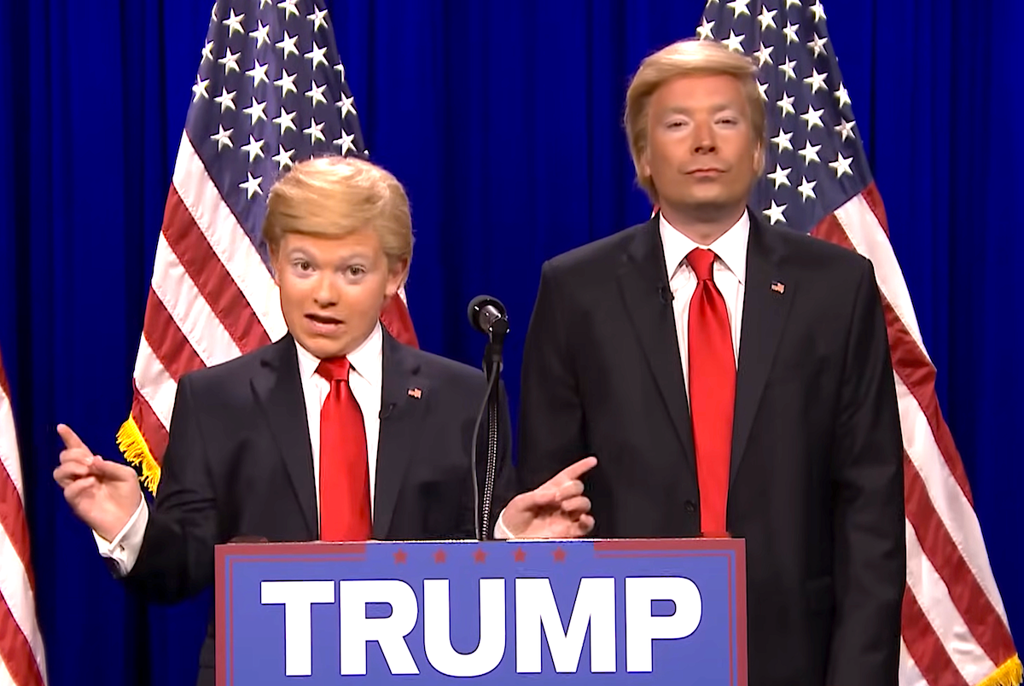
Scarry critiques several well-known comedians, including Alec Baldwin and Jimmy Fallon, for their portrayals of Trump, arguing that they lack creativity and depth. He describes these performances as maddeningly similar, characterized by exaggerated gestures and predictable phrases. "They put on a wig, adopt a sour pout and don their faces in copper-tone powder," he writes, suggesting that the formulaic nature of these impersonations fails to engage audiences meaningfully.
Despite the criticism, some comedians continue to find success with Trump impressions by incorporating original concepts. Scarry cites comedian Matt Friend as an exception, noting that Friend's humor stems from creative scenarios rather than mere mimicry. In one of Friend's bits, he imagines a fictional meeting between Trump and New York Mayor-elect Zohran Mamdani, showcasing how innovative writing can elevate an impersonation beyond simple imitation.
Audience Reaction and Support
The backlash against Trump impersonations is not universally shared. Many fans of political satire argue that such impressions serve as a vital form of commentary on current events. Supporters of these comedic performances maintain that they provide a necessary outlet for political critique, allowing audiences to process and engage with the often polarizing figure of Trump.
Critics of Scarry's perspective suggest that humor is subjective, and what may seem stale to some can still resonate with others. A spokesperson for a prominent comedy club stated, "Impersonations are a traditional part of comedy, and they evolve with the times. It's all about how the material is presented."
The Future of Political Comedy
As the comedy landscape continues to evolve, the debate over the relevance of Trump impersonations raises questions about the future of political satire. With the 2024 presidential election approaching, comedians may need to adapt their approaches to maintain audience engagement. Scarry's call for an end to Trump impressions may reflect a broader desire for innovation in comedic performance, urging comedians to explore new avenues of humor.
The conversation surrounding Trump impersonations highlights the ongoing tension between tradition and creativity in comedy. As audiences become more discerning, comedians will need to navigate the fine line between familiar tropes and fresh material to keep their performances relevant and engaging.
In conclusion, while some may argue for the continued use of Trump impersonations as a comedic device, others, like Scarry, advocate for a departure from what they see as tired and unoriginal performances. The outcome of this debate may shape the direction of political comedy in the years to come.