The U.S. Supreme Court recently ruled against President Donald Trump’s use of the International Emergency Economic Powers Act (IEEPA) to impose tariffs, but Justice Brett Kavanaugh's dissent suggests that there may still be alternative legal avenues available for the president to pursue. In a 6-3 decision, the Court determined that Trump’s reliance on IEEPA to levy tariffs was unlawful, stating that the statute’s language does not grant such authority for tariff imposition.
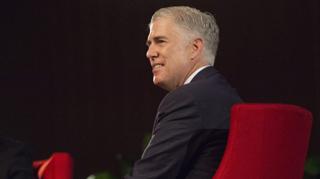
This ruling raises significant questions about the extent of presidential power regarding tariffs and trade policy, particularly as Trump seeks to implement new tariffs despite this setback. Kavanaugh, joined by Justices Clarence Thomas and Samuel Alito, argued that the majority’s interpretation of the law may not significantly limit a president's ability to impose tariffs in the future.
In the case of Learning Resources, Inc., et al v. Trump, the majority opinion asserted that the president’s invocation of IEEPA was inappropriate for tariff imposition. Kavanaugh countered this assertion, arguing that the statutory text and historical precedent support the notion that presidents do possess the authority to implement tariffs under IEEPA. He stated, "The answer to the question of whether presidents possess the power to implement tariffs under IEEPA is clearly yes."
Alternative Legal Avenues
Kavanaugh emphasized that the ruling does not eliminate the president's ability to impose tariffs through other federal statutes. He noted, "Numerous other federal statutes authorize the President to impose tariffs and might justify most (if not all) of the tariffs at issue in this case." Among the statutes Kavanaugh referenced are the Trade Expansion Act of 1962, the Trade Act of 1974, and the Tariff Act of 1930. He explained that the Court concluded Trump had checked the wrong statutory box by relying on IEEPA instead of these other legal frameworks.
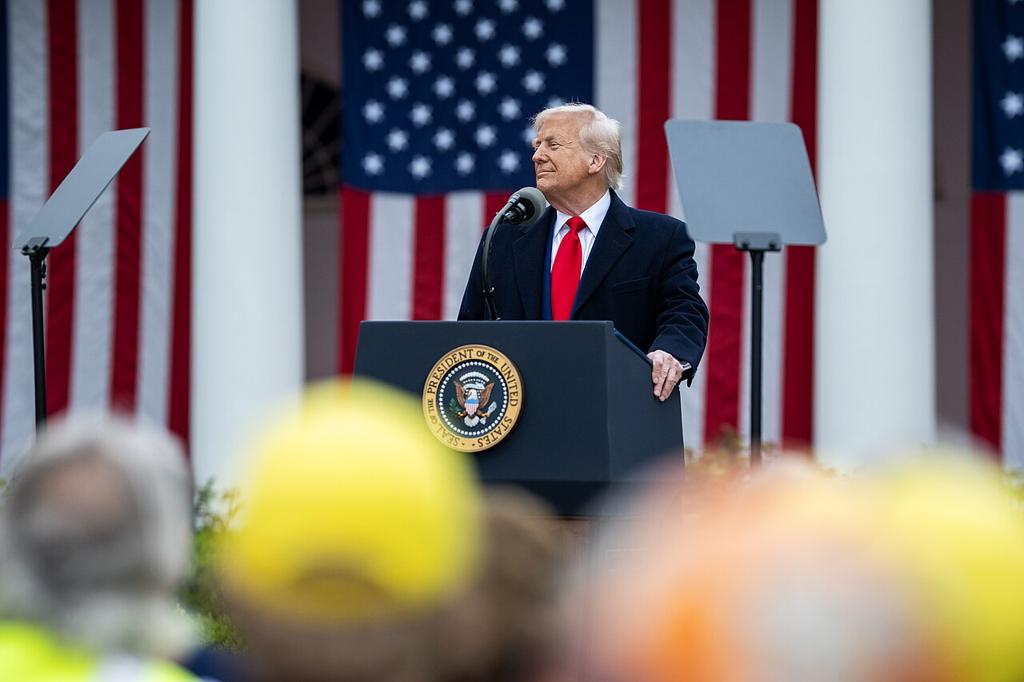
Following the ruling, Trump quickly announced plans to impose a new tariff. In a press conference, he stated, "I am signing an order imposing a 10 percent global tariff under Section 122 over and above our normal tariffs already being charged." He confirmed that existing tariffs under Sections 232 and 301 would remain in effect, indicating that the administration is prepared to move forward with its tariff agenda despite the legal challenges.
Implications for Trade Policy
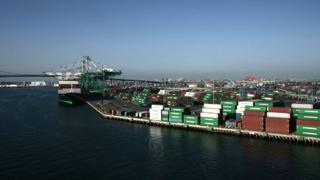
The implications of the Supreme Court's decision and Kavanaugh's dissent could reshape the landscape of U.S. trade policy. Critics of Trump's tariff strategy argue that such measures can lead to trade wars and increased costs for consumers. They contend that tariffs can disrupt international trade relationships and ultimately harm the U.S. economy. However, supporters of Trump's approach assert that tariffs are necessary to protect American industries from foreign competition and to ensure fair trade practices.
While the majority opinion has drawn criticism from some legal experts who argue it restricts presidential power, Kavanaugh's dissent provides a counterpoint, suggesting that the president retains significant authority to act on trade issues. Legal analysts have noted that the dissent may embolden Trump to pursue tariffs through alternative legal means, potentially leading to further economic tensions with trading partners.
As the administration moves forward with its tariff plans, it remains to be seen how these legal interpretations will play out in practice and whether they will provoke responses from affected countries. The administration has not yet commented on the potential for international backlash or how it plans to navigate the complexities of trade law following the ruling. The situation is fluid, and the administration's next steps will be closely monitored by both domestic and international observers.
In summary, while the Supreme Court's decision limits Trump's use of IEEPA for tariffs, Kavanaugh's dissent highlights that other legal avenues remain available for imposing tariffs. This could have significant implications for U.S. trade policy moving forward, as the administration seeks to assert its authority in the realm of international trade.