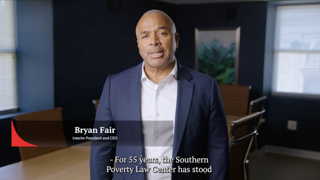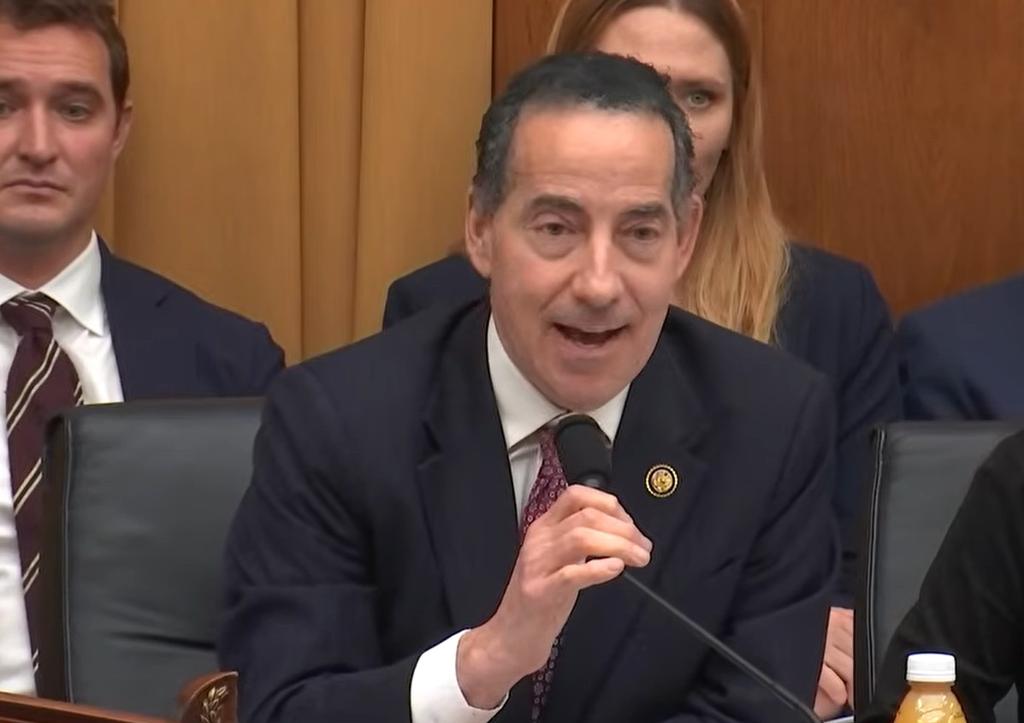
Rep. Jamie Raskin, D-Md., defended the Southern Poverty Law Center (SPLC) during a House Judiciary Committee hearing, asserting that donors are satisfied with the organization’s effectiveness despite allegations of fraud. Raskin stated, "To my knowledge, there’s not a single donor to the Southern Poverty Law Center who’s come forward to say that he or she was defrauded."
The SPLC faces scrutiny over claims that it misused donor funds to infiltrate and gather intelligence on groups it labels as hate organizations. Critics argue that the SPLC's tactics have contributed to political violence and misinformation, raising questions about its influence on public discourse and donor motivations.
Founded in 1971, the SPLC has positioned itself as a leading organization in the fight against hate groups in the United States. However, it has also faced criticism for its labeling practices, which some say unfairly categorize mainstream conservative organizations as extremist.
Allegations of Fraud
During the hearing, Raskin addressed a federal fraud indictment against the SPLC, which alleges that the organization funded undercover informants to gather intelligence on hate groups. He questioned why no donors have publicly complained about being defrauded, suggesting that they are content with the outcomes of their contributions.
Democrat witness Maya Wiley, president and CEO of the Leadership Conference on Civil and Human Rights, echoed Raskin's sentiment, stating, "Donors have supported it ... they’re trying to send more money now." This response highlights a disconnect between the SPLC's critics and its supporters, who appear undeterred by the allegations.
Impact on Political Discourse
Critics of the SPLC argue that its actions have had far-reaching consequences, including the potential incitement of violence against conservative groups. The SPLC has been accused of funding individuals involved in organizing events like the 2017 “Unite the Right” rally in Charlottesville, Virginia, which resulted in violent clashes and one death.
Tony Perkins, president of the Family Research Council (FRC), testified at the hearing about the SPLC's influence on financial institutions and technology companies, claiming that the organization has pressured these entities to de-platform conservative groups. Perkins stated, "SPLC’s intelligence project and associated labels became deeply influential on banks, payment processors, and technology companies."
Broader Implications
The SPLC's labeling practices have raised concerns about the chilling effect on free speech and the operational viability of conservative organizations. Critics argue that the SPLC's "hate map" inaccurately equates mainstream conservative groups with extremist organizations, which can lead to real-world consequences, including violence.
In 2012, a gunman targeted the FRC based on information from the SPLC’s hate map, resulting in a thwarted mass shooting. Perkins noted that the attack cost the FRC $6 million in security-related expenses, underscoring the tangible risks associated with the SPLC's classifications.
Despite the ongoing criticism, supporters of the SPLC maintain that its work is crucial in combating hate and extremism in America. They argue that the organization provides valuable resources for understanding the state of hate in the country, as noted by SPLC President Richard Cohen in 2016, who stated that the group’s list serves as an important barometer of hate and extremism.
As the debate continues, the SPLC's role in shaping political narratives and influencing donor behavior remains a contentious issue. Raskin's defense of the organization reflects a broader divide in American politics regarding the definitions of hate and extremism, as well as the implications of labeling practices on public discourse.
In conclusion, while Raskin and others defend the SPLC's actions as effective and justified, critics warn of the potential dangers posed by its tactics and the broader implications for political dialogue in the United States.