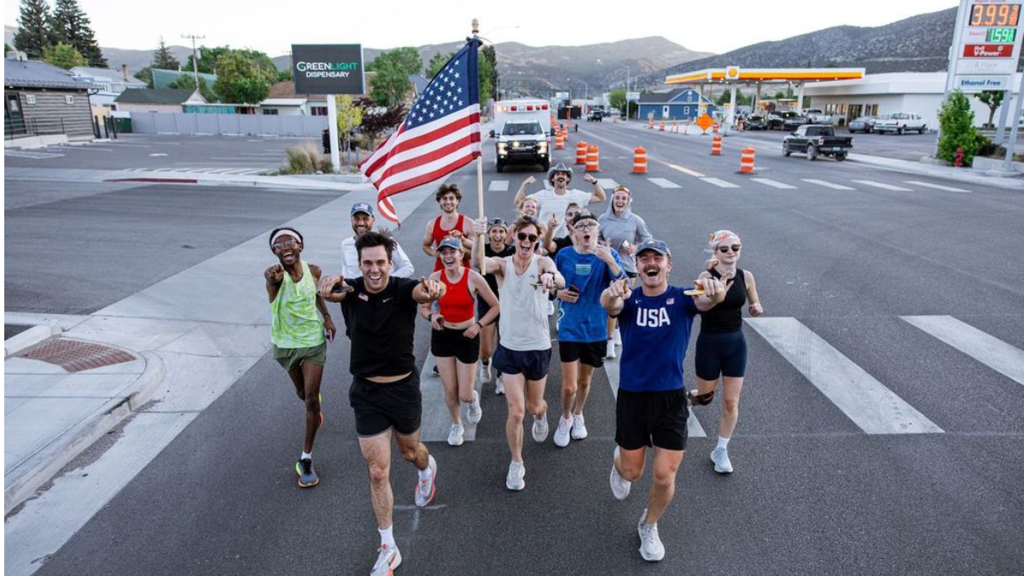
A nationwide flag relay, dubbed the Relay for America, is currently underway, with over 250 runners carrying the American flag from San Francisco to Washington, D.C. The event, which began recently, is expected to conclude on July 4 at the Capitol Building, coinciding with Independence Day celebrations. This ambitious relay covers a distance of approximately 3,000 miles, symbolizing a journey that not only traverses the physical landscape of the United States but also aims to traverse the emotional and social landscapes of its people.
The relay aims to foster national pride and unity among Americans, as organizers Joe Nail and Wyatt Moss emphasize the importance of bringing people together. "We set out with one overarching mission, which was uniting Americans one mile at a time," Nail said. This mission reflects a broader desire to bridge divides and promote a sense of community among participants and supporters.
Event Background
The Relay for America was conceived as a way to celebrate the 250th anniversary of the United States. This milestone anniversary serves as a backdrop for the event, encouraging reflection on the nation's history and the values it represents. Nail noted that the event is open to the public, allowing individuals to participate by running, driving, or assisting with logistics. This inclusivity is a key aspect of the relay, as Moss wanted to ensure that the event was not limited to elite runners. By inviting people from all walks of life to join in, the relay embodies a spirit of camaraderie and collective participation.
As the relay progresses, participants are dedicating each mile of the 3,000-mile route to a different veteran. This dedication adds a personal touch to the relay, connecting participants with the sacrifices made by service members. People can submit the names of veterans they wish to honor through the event's website, creating a meaningful connection between the runners and those who have served the country. This initiative not only honors individual veterans but also highlights the collective sacrifices made by military personnel throughout American history.
Community Engagement
The relay has garnered significant support on social media, with the group’s Instagram and Facebook pages growing from under 2,000 followers to over 50,000 since the event began. This surge in engagement reflects a growing interest in the relay and its mission. Nail mentioned that the positive feedback from the community has been overwhelming. "Those are the sorts of messages that make it all worth it," he said, referring to an email from a U.S. Army soldier preparing for deployment who expressed gratitude for the initiative. Such messages underscore the emotional impact of the relay and its ability to resonate with individuals across the country.
The relay is also being broadcasted live, allowing viewers to track the flag's journey across the country. This real-time engagement provides an opportunity for people to feel connected to the event, even if they are unable to participate physically. With approximately 75 percent of the relay completed, the runners are reportedly ahead of schedule to reach their destination on time for the July 4 festivities. This progress not only reflects the dedication of the participants but also the logistical planning that has gone into making this event a success.
Public Response and Impact
The Relay for America has resonated with many Americans, who see it as an opportunity to celebrate their country and honor veterans. The event has sparked conversations about national identity and the values that unite citizens. However, some critics argue that while the event promotes unity, it may also gloss over deeper societal divisions. Supporters, however, maintain that the relay serves as a reminder of shared values and collective history. This dual perspective highlights the complexity of national celebrations and the varied interpretations of what it means to be American.
As the event continues, Nail and Moss remain focused on their mission of uniting Americans. They hope that the relay will inspire others to celebrate their country and engage with their communities. The Relay for America not only commemorates the nation's history but also aims to create a sense of belonging among participants and viewers alike. As the final leg of the journey approaches, the organizers are optimistic about the impact of their initiative on national pride and unity. They believe that by fostering connections and honoring veterans, the relay can contribute to a more cohesive national narrative as the country approaches its 250th anniversary.