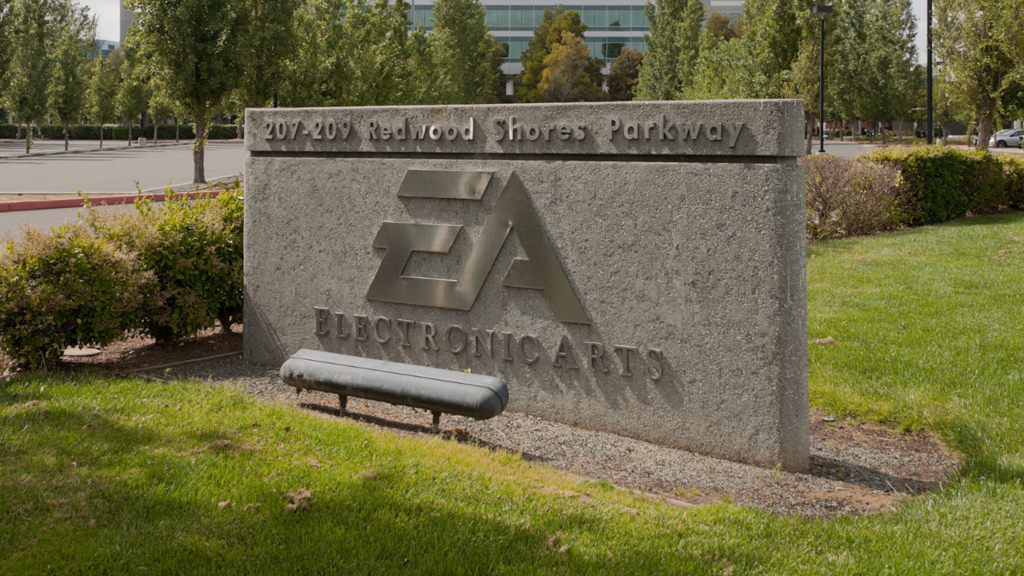
Last month, Electronic Arts (EA) was sold to the Kingdom of Saudi Arabia and a firm owned by Jared Kushner in a $55 billion deal. The acquisition has sparked reactions from various sectors, particularly among leftist commentators who expressed concern over the potential shift in the company's direction.
EA, known for franchises like "Madden," (Www.neh — neh.gov) "Battlefield," and "The Sims," has faced criticism in recent years for its business practices and content decisions. The company's pivot to live-service models and reliance on monetization strategies such as loot boxes alienated many core fans. Additionally, some within the company have been accused of infusing games with progressive ideologies, which some gamers found unappealing.
The sale to conservative Saudi investors has led to fears among some developers and commentators about a potential reduction in progressive themes in EA's games. Patrick “Trick” Weekes, a writer for EA and BioWare, voiced his concerns on social media, speculating that the new ownership might prioritize traditional themes over progressive narratives.
Sales data for EA's recent release, "Dragon Age: Veilguard," (Www.neh — neh.gov) supports the notion that players are increasingly resistant to what they perceive as ideological content. The game reportedly underperformed by 50% compared to sales expectations and quickly transitioned to discount pricing and free-to-play platforms.
Critics of "Veilguard" (Www.neh — neh.gov) pointed to its emphasis on identity politics and representation, which some gamers felt detracted from the gameplay experience. The game’s focus on themes such as nonbinary identity and gender representation was met with backlash, resulting in significant financial losses for EA.
The acquisition by Saudi Arabia's Public Investment Fund is part of a broader strategy to diversify the kingdom's economy beyond oil. While the motivations behind the investment may not be altruistic, the potential for a shift in EA's content focus could align with market demands for more traditional gaming experiences.
Historically, EA and BioWare have been known for producing critically acclaimed titles, such as "Mass Effect 2" (Www.neh — neh.gov) and "Dragon Age: Origins." However, recent entries in these franchises have struggled to replicate that success, raising questions about the company's direction in light of its ideological commitments.
The sale of EA to foreign investors reflects a growing trend where traditional entertainment companies are being influenced by external market pressures. As the gaming industry evolves, the implications of this acquisition may signal a turning point in how video games are developed and marketed in the future.
In summary, the Saudi acquisition of EA could lead to a reevaluation of content strategies within the company, potentially prioritizing profitability over ideological messaging. As the gaming community continues to respond to these changes, the future of EA and its franchises remains uncertain.