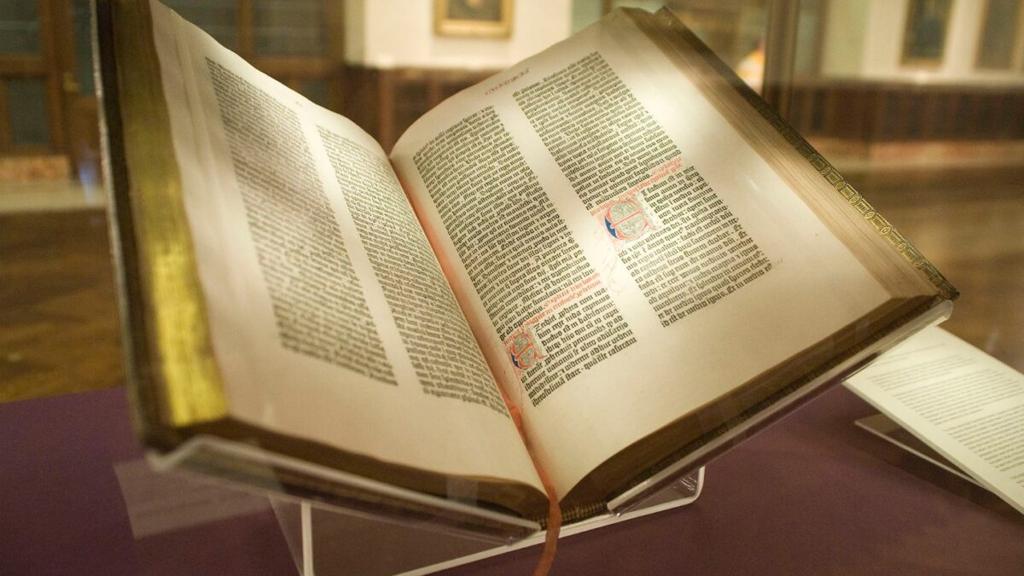
The Texas State Board of Education (SBOE) has approved the inclusion of the Bible in its K-12 curriculum as a piece of classical literature, a move that has ignited significant debate among educators and lawmakers. Critics argue that this decision prioritizes religious instruction in public schools, while supporters contend it is essential for understanding Western civilization and its literary canon.
Explainer Redistricting Battles: How Maps Shape American Political Power
The core tension revolves around the appropriateness of teaching religious texts in public schools and the implications for educational neutrality. Opponents, including SBOE member Tiffany Clark, have expressed concerns that the Bible should not be part of the public school curriculum, stating, "Bible lessons should be taught on Sundays. Not all of us believe the same."
This decision comes amid broader discussions about educational content in Texas, where the SBOE has been scrutinized for its curriculum choices. The inclusion of the Bible is seen by some as part of a larger trend toward integrating religious texts into public education, raising questions about the separation of church and state.
Key Details
Supporters of the Bible's inclusion argue that it is a critical component of the literary and historical landscape of the West. They assert that understanding the Bible is essential for grasping the cultural and moral foundations of Western civilization. Larry Alex Taunton, a columnist and author, argues that the Bible's influence permeates many aspects of literature and history, stating,
Background and Reactions
"The Bible is the prequel to everything."
— Larry Alex Taunton, columnist
Critics, however, maintain that the Bible's inclusion could lead to a form of indoctrination rather than education. Annie Laurie Gaylor, co-president of the Freedom from Religion Foundation, voiced her concerns, arguing that a mandatory public school reading list should not serve as a Bible lesson. She stated, "Texas is telling public school students that the Bible is the most important book they will read in their English classes."
The SBOE's decision has also drawn comparisons to other controversial curriculum choices in Texas, such as the inclusion of drag queen story hours in some schools. Critics have pointed out perceived inconsistencies in the SBOE's approach to educational content, suggesting that while some forms of expression are embraced, religious texts face undue scrutiny.
In response to the backlash, some SBOE members have defended the decision by emphasizing the Bible's literary significance. They argue that it is included alongside other important texts from various cultures and traditions, including Greek and Roman mythology, Aesop's Fables, and works by authors like Mark Twain and Langston Hughes, who were critical of Christianity yet shaped by its cultural context.
The debate over the Bible's place in the curriculum reflects broader societal divisions regarding education, religion, and cultural identity. As Texas continues to grapple with these issues, the SBOE's decision may set a precedent for how religious texts are treated in public education across the country.
Looking ahead, the implications of this decision will likely unfold as educators, parents, and lawmakers engage in ongoing discussions about the role of religion in public schools. The SBOE's actions could influence similar debates in other states, particularly in regions where educational content is a contentious issue.
As the conversation continues, it remains to be seen how schools will implement the curriculum changes and whether further adjustments will be made in response to public feedback. The balance between educational integrity and religious influence will be a critical area to watch in the coming months.