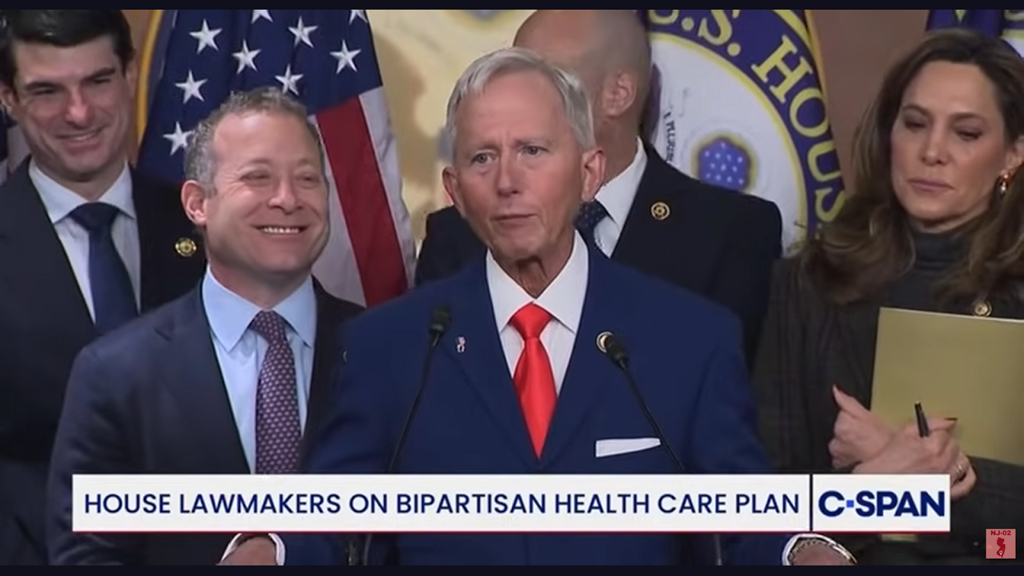
A bipartisan coalition of nearly three dozen House members has introduced a proposal aimed at extending taxpayer-funded subsidies for the Affordable Care Act (ACA), commonly referred to as Obamacare. This legislative move comes as the subsidies are set to expire at the end of December, raising significant concerns about health coverage for millions of Americans who depend on these financial aids to afford their health insurance.
Explainer The Complex Legal Landscape of Abortion: State Laws, Federal Shifts, and Cultural Battles
Proposal Details
The proposal is spearheaded by Representatives Josh Gottheimer, a Democrat from New Jersey, and Jen Kiggins, a Republican from Virginia. Their initiative seeks to extend and modify the existing tax credits associated with the ACA. According to reporting from The New York Times, the measure would necessitate two separate votes in Congress. The first vote would focus on extending the tax credits for one year, incorporating modifications that include a new income limit. The second vote would aim to implement more substantial reforms, which could potentially involve eliminating $0 premiums, with exceptions made for those who require need-based support.
During a press conference announcing the proposal, Congressman Jeff Van Drew, who notably switched his party affiliation from Democrat to Republican, defended the necessity of the subsidies despite his previous criticisms of the ACA. "I do not like the Affordable Care Act. ... But that’s not the point today," he stated, emphasizing the responsibility that lawmakers have to ensure that Americans maintain their health insurance during the transition to a better system. His comments highlight the urgency of the situation as the deadline for subsidy expiration approaches.
GOP Leadership Response
Despite the bipartisan effort, House Majority Leader Steve Scalise, a Republican from Louisiana, has expressed skepticism regarding the proposal's viability. Reports indicate that House Republican leadership is expected to introduce its own health care package next week, although it remains unclear whether this package will include an extension of the Obamacare subsidies. This uncertainty adds another layer of complexity to the ongoing discussions surrounding health care policy.
Critics within the GOP have voiced concerns about the party's direction and its ability to govern effectively in the current political climate. Some party members argue that extending the subsidies without a comprehensive plan for reform represents a missed opportunity to address the underlying issues within the health care system. Eddie Scarry, a contributor to The Federalist, remarked on Van Drew's comments, questioning the logic of creating a "bridge" without a clear plan for what happens after the extension expires.
Internal GOP Frustration
The internal conflict within the Republican Party has been underscored by the ongoing debate over health care policy. Many Republicans have campaigned for years on the promise to repeal and replace Obamacare, yet critics argue that the party has failed to present a viable alternative that addresses the needs of constituents. Van Drew's comments about lawmakers needing to focus on health care rather than taking time off during the government shutdown have drawn scrutiny from various factions within the party.
"Forty-three days? What about the 15 years Republicans have spent campaigning on 'repealing and replacing' Obamacare?" Scarry noted, emphasizing the disconnect between the party's long-standing promises and its current actions. This sentiment reflects a growing frustration among party members who feel that the GOP has not lived up to its commitments regarding health care reform.
House Speaker Mike Johnson has defended the current Congress, claiming it is "the most productive and consequential Congress in our lifetime." However, critics argue that this characterization overlooks the party's struggles to enact significant change in health care policy, particularly in light of the ongoing discussions about the ACA subsidies.
As the deadline for the ACA subsidies approaches, the future of the Gottheimer-Kiggins proposal remains uncertain. While the bipartisan effort aims to address immediate concerns about health coverage, the lack of a cohesive Republican strategy raises questions about the party's commitment to meaningful health care reform. The Gottheimer-Kiggins proposal may face significant hurdles in the coming weeks, especially as GOP leadership prepares to unveil its own plan. With the clock ticking down to the expiration of the subsidies, the stakes are high for millions of Americans who rely on these tax credits for their health insurance.