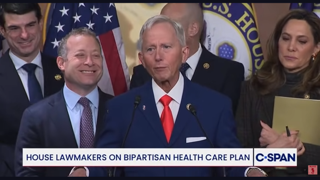
House Democrats are advancing a discharge petition to extend enhanced Obamacare subsidies, which are set to expire on December 31. This move comes as the government shutdown concludes, with reports indicating that the proposed bill aims to extend the subsidies for three additional years, through 2028.
Explainer The Complex Legal Landscape of Abortion: State Laws, Federal Shifts, and Cultural Battles
The discharge petition is a strategic maneuver that allows the minority party to secure a floor vote. However, it faces significant opposition from House Republicans. Moderate Rep. Don Bacon, R-Neb., labeled the petition "DOA," or dead on arrival, emphasizing that no Republican would support a measure that could hand control of the House floor to Democrats.
Democrats appear to be prioritizing political messaging over legislative success. By pushing this petition, they aim to create pressure on vulnerable House Republicans, forcing them to publicly oppose a measure that Democrats know will not gain bipartisan support.
Senate Majority Leader John Thune, R-S.D., has indicated that Senate Democrats will receive a vote on a subsidy extension in the coming weeks. However, the specifics of the legislation remain unclear.
In September, Senate Democrats proposed a bill that included a permanent extension of the subsidies, along with a repeal of significant portions of the summer's budget reconciliation measure, which included $1.5 trillion in spending. This proposal was seen as more of a negotiating tactic than a serious legislative effort, as it included provisions unlikely to gain Republican support.
The current situation raises questions about whether Senate Democrats will adopt a similar approach as their House counterparts, focusing more on political points than on achieving a favorable policy outcome.
Chris Jacobs, founder and CEO of Juniper Research Group, noted that the House Democrats' strategy seems to be about making a political statement rather than enacting meaningful legislation.
As the Senate prepares for its upcoming vote, the dynamics surrounding the subsidy extension will be closely watched, particularly in light of the potential implications for the 2028 presidential election cycle.