As Milton Friedman warned decades ago, "Nothing is so permanent as a temporary government program." (U.S. Congress) This sentiment resonates amid the ongoing federal government shutdown, now entering its third week, as Democrats advocate for the extension of the Biden Covid credits, which have significantly expanded Obamacare subsidies originally intended as pandemic relief.
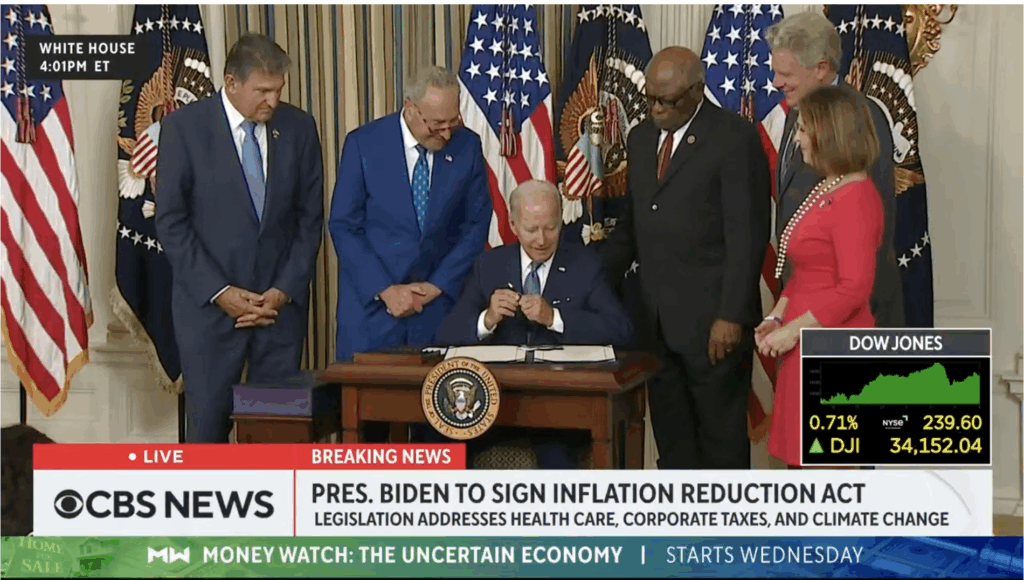
The Biden administration's Covid credits, part of the nearly $2 trillion America Rescue Plan Act (ARPA) signed in March 2021, are projected to cost taxpayers an estimated $450 billion if Democrats succeed in their push to extend these credits beyond their current expiration date of December 31. Critics argue that these subsidies, which were justified during the pandemic, are no longer necessary as the health emergency has long passed.
Trevor Carlsen, a Senior Research Fellow at the Foundation for Government Accountability, noted in an interview that the expansion of these subsidies has made it difficult to justify their continuation. "The American people rightfully are saying that, at a certain point, we’ve got to get back to normal," (U.S. Congress) he stated.
The Covid credits have broadened the scope of Obamacare subsidies to include households earning above 400 percent of the Federal Poverty Level (FPL), effectively subsidizing health insurance for higher-income individuals. According to the Centers for Medicare & Medicaid Services, 7 percent of households enrolled in subsidized health insurance exchanges in 2024 and 2025 reported incomes exceeding this threshold.
A recent poll from the Center for Excellence in Polling indicates that 65 percent of likely voters support ending federal health care payments for higher-income individuals and returning to pre-Covid rates for lower-income Americans. This sentiment is shared across the political spectrum, with significant support from Democrats, Independents, and Trump voters alike.
Despite potential Republican resistance to extending the Biden Covid credits, concerns remain regarding the long-term implications of the existing Obamacare framework. The original subsidies are expected to cost taxpayers nearly $1 trillion over the next decade, and extending the Covid credits could increase this cost by over 40 percent, according to the Foundation for Government Accountability.
Additionally, the Biden Covid credits have been linked to increased instances of fraud within the system. Reports indicate that there are 1.6 million individuals with double coverage—enrolled in both Medicaid and subsidized exchange plans—leading to significant waste of taxpayer funds. In 2024 alone, taxpayers are estimated to have sent at least $35 billion to insurers for individuals who did not pay premiums or utilize their plans.
Carlsen and his colleagues argue that the Democrats' push for a permanent extension of these subsidies would undermine employer coverage, inflate insurer profits, and perpetuate a regulatory structure that has already led to higher premiums and reduced quality of care. "Americans are concerned with government that is too large," (U.S. Congress) Carlsen remarked, emphasizing the potential risks of expanding government programs indefinitely.
As the debate continues, the fate of the Biden Covid credits remains uncertain, with implications for both taxpayers and the broader healthcare landscape in the United States.