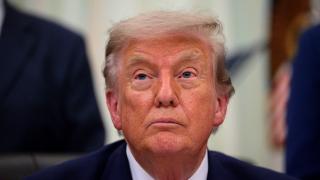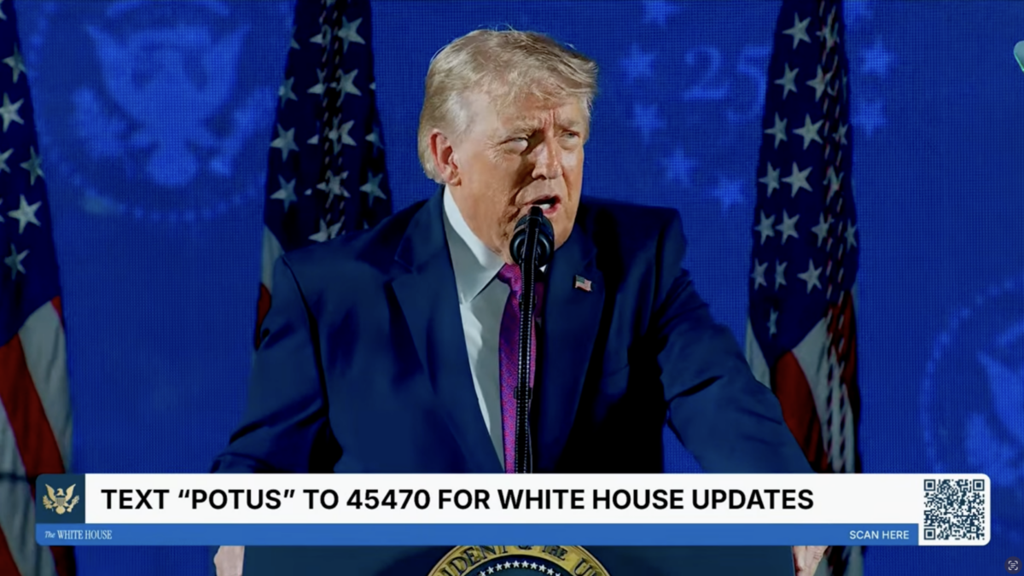
President Donald Trump issued a stark warning about the threat of communism to American values during a speech at Mount Rushmore, coinciding with the nation’s 250th birthday celebration. He stated that communism must be rejected entirely, asserting that it poses a significant danger to the principles of liberty and democracy in the United States. This warning reflects a growing concern among some conservatives regarding the rise of socialist ideologies in American politics, particularly among younger voters.
Trump Warns Against Communism in America During Independence Day Speech
Trump emphasized that communism represents a fundamental challenge to the nation's founding ideals. He urged Americans to choose patriotism over what he termed the "mortal threat" of communism. His speech followed a controversial address by New York City Mayor Zohran Mamdani, who has faced criticism for his socialist views. In his remarks, Trump referenced historical warnings from figures like Alexander Hamilton, suggesting that not all ideologies are compatible with American governance. He stated, "There is now a resurgence of the communist menace in our land, including from newcomers to our country who embrace ideas totally opposed to our way of life and our great success."
Background and Reactions
"Communism is a mortal threat to American liberty. It is the greatest threat to our country. ... It is the enemy of free people everywhere."
— Donald Trump, former President
The president's comments reflect a broader narrative among some conservatives who argue that the increasing acceptance of socialist ideas among younger Americans is alarming. A 2025 survey conducted by the Heartland Institute and Rasmussen Reports found that 53 percent of likely voters aged 18 to 39 expressed a preference for a Democratic Socialist candidate in the 2028 presidential election. This trend has raised significant concerns about the ideological direction of the country and the potential implications for future governance.
Critics of socialism argue that it often leads to communism, a point Trump reiterated in his speech. He noted that the rise of socialist candidates, such as Mamdani and Darializa Avila Chevalier, who has previously advocated for seizing the means of production, is indicative of a troubling shift in American political discourse. Chevalier's past statements, including a complaint about the lack of Marxist literature in public libraries, have drawn scrutiny from opponents of her views, further fueling the debate.
In his address, Trump called for a reaffirmation of American values, stating, "You can be loyal to Karl Marx, or you can be loyal to America. You can be a communist, or you can be a patriot. You cannot be both." This stark dichotomy reflects a sentiment among many conservatives who believe that the acceptance of socialist principles undermines the foundation of American democracy. The implications of such a viewpoint suggest a growing divide in political ideology, particularly as younger generations engage more actively in political discussions.
While Trump's remarks were met with applause from his supporters, critics argue that such rhetoric can be divisive and oversimplifies complex political beliefs. Supporters of socialist policies contend that they address inequalities and provide a framework for a more equitable society. This ongoing debate highlights the challenges of reconciling differing political ideologies within the American landscape.
The debate over socialism and communism in America is not new, but it has gained renewed attention in recent years as younger generations express more favorable views toward these ideologies. According to the History Channel, socialism and communism advocate for public ownership of production means, and the terms are often used interchangeably, leading to confusion about their implications and the potential consequences for American society.
As the political landscape evolves, the implications of Trump's warnings may resonate in upcoming elections, particularly as younger voters become increasingly influential. The tension between traditional American values and the rise of socialist ideologies is likely to remain a focal point in political discourse leading up to the 2028 presidential election. This ongoing dialogue will shape the future of American politics and the values that define the nation.
In summary, Trump's speech at Mount Rushmore serves as a rallying cry for those who view communism as a direct threat to American liberty. The ongoing acceptance of socialist ideas among younger voters will be a critical issue to watch as the nation approaches its next electoral cycle, influencing the direction of political debates and the policies that may emerge in the coming years.