As socialist candidates gain traction in Democratic primaries, Axios has reported that Republicans are attempting to revive fears of communism ahead of the upcoming midterm elections. The article by Avery Lotz suggests that prominent figures, including former President Donald Trump, are trying to instill a sense of dread about a supposed resurgence of "godless communists" in American politics. This rhetoric is reminiscent of historical fears surrounding communism, but it is being applied in a contemporary context that reflects current political dynamics.
GOP Concerns Over Democratic Socialism
The core issue revolves around the definitions and implications of socialism and communism. Critics argue that the Democratic Party's embrace of socialist rhetoric could have significant electoral consequences. Supporters of the Democratic candidates, however, assert that the terms are being conflated to create unnecessary alarm among voters and to mischaracterize their platforms.
Background and Reactions
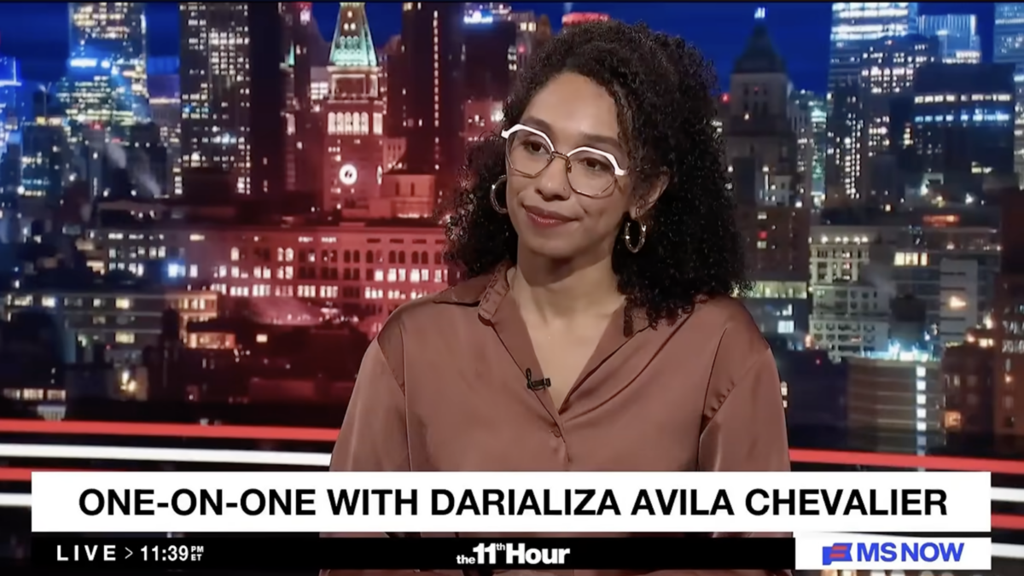
In her article, Lotz cites the views of Democratic candidates such as Zohran Mamdani and Darializa Avila Chevalier, who advocate for expanded government programs aimed at addressing economic disparities. Lotz notes that Mamdani has previously stated that socialists believe in "seizing the means of production," a phrase deeply rooted in Marxist ideology. Critics interpret this language as indicative of a deeper alignment with communist principles, despite assertions from some Democrats that their platform is distinct from communism and focused on democratic socialism.
CNN's Kaitlan Collins echoed similar sentiments, stating, "While Democrats themselves have been wrestling with what Tuesday night means for the direction of their party, socialism, much less democratic socialism, is not communism." This perspective, however, has not quelled concerns among Republicans, who point to the explicit use of Marxist terminology by some candidates as evidence of a troubling ideological shift within the party.
The Hill also reported on Chevalier's reluctance to respond to being labeled a communist, highlighting the tension within the Democratic Party regarding its identity and how it is perceived by the public. The article mentioned that Mamdani and his supporters have proposed initiatives such as city-run grocery stores and free healthcare, which they argue aim to level the economic playing field. However, critics contend that these proposals align closely with Marxist principles and could lead to increased government control over various sectors of the economy.
Manoj Joshi, writing for The Wire, suggested that Trump’s rhetoric may be counterproductive. He argued that the current political climate is different from the historical Red Scare, which was characterized by widespread fear of communism due to the actions of the Soviet Union. Today’s concerns, however, focus on individuals like Mamdani, who openly use Marxist language, which some Republicans believe could resonate negatively with voters.
Despite these discussions, some Democratic leaders have not publicly addressed the criticisms regarding their candidates' socialist rhetoric. The lack of a clear response from party leaders may leave room for continued Republican framing of the issue as a revival of the Red Scare, which could influence voter perceptions.
As the midterms approach, the debate over the definitions of socialism and communism is likely to intensify. Republicans are expected to leverage these concerns in their campaigns, framing the Democratic platform as a potential threat to American values. Meanwhile, Democrats may need to clarify their positions to mitigate potential electoral fallout and counteract the narrative being pushed by their opponents. The ideological divide within the Democratic Party could also influence voter perceptions and turnout in the upcoming elections.
In summary, as socialist candidates gain prominence, the Republican Party is framing the situation as a resurgence of communist ideology. In contrast, Democrats argue that their platform is fundamentally different from communism. The ongoing discourse highlights the complexities of political language and the implications it may have for the electoral landscape as both parties prepare for the midterm elections.