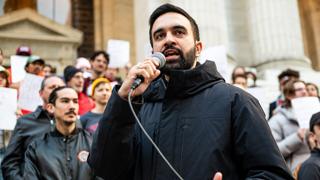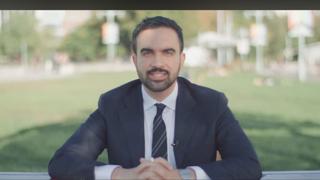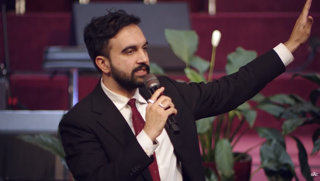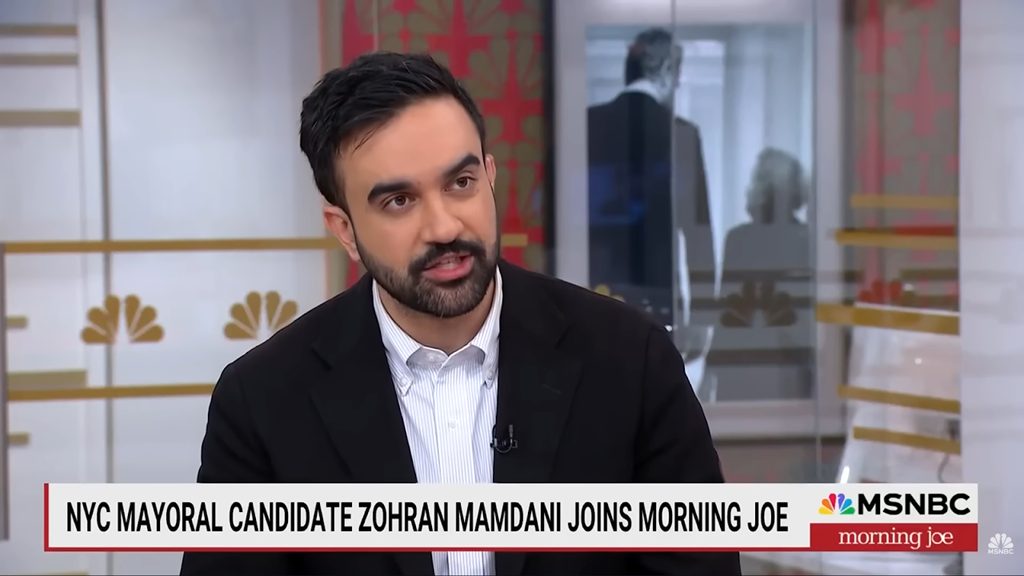
New York City voters have elected Zohran Mamdani as their next mayor, marking a significant shift in the city's political landscape. Preliminary results indicate that Mamdani, a member of the Democratic Socialists of America, received approximately 50.4% of the vote, defeating former New York Governor Andrew Cuomo and Republican Curtis Sliwa, who garnered 41.6% and 7.1%, respectively.
Mamdani's victory reflects a growing trend among NYC voters towards leftist policies, which he has championed throughout his campaign. His platform includes proposals for taxpayer-funded surgeries for transgender individuals, healthcare for undocumented immigrants, and government-operated grocery stores. Additionally, he has advocated for free public transportation and childcare, as well as increasing corporate tax rates.
Critics have pointed to Mamdani's past statements advocating for the defunding of police, a position that gained traction during the protests following the death of George Floyd in 2020. In a tweet from June 2020, he stated, "We can’t reform a system working exactly as designed — to control Black, brown & poor New Yorkers. We need to defund the police..."
Mamdani's political history also includes controversial affiliations. Reports have surfaced about his support for pro-Palestinian movements and sentiments perceived as sympathetic to Hamas. He was previously arrested during a demonstration outside the residence of Senate Minority Leader Chuck Schumer in 2023.
As Mamdani prepares to take office on January 1, 2026, he will become the first immigrant mayor of New York City since Abe Beame in 1974. His election is seen as a reflection of the city's evolving political dynamics, with a notable shift towards more progressive and socialist policies.
Supporters argue that Mamdani's policies are necessary to address systemic inequalities and provide support to marginalized communities. However, detractors express concern over the implications of his proposed policies on public safety and fiscal responsibility.
The election results have sparked discussions about the future direction of New York City, particularly in light of Mamdani's radical proposals and the potential impact on the city's governance. As the new mayor, Mamdani will face the challenge of balancing his ambitious agenda with the diverse needs of New York City's residents.