The Great American State Fair, which is currently taking place in Washington D.C. and will run through July 10, features pavilions from all 56 states and territories. This event offers a unique and engaging glimpse into the diverse regional cultures that make up the United States. However, the quality and creativity of these exhibits have drawn mixed reviews from attendees and critics alike. Some states have been praised for their engaging and innovative displays, while others have faced criticism for their lackluster presentations and minimal effort.
The stakes are particularly high this year as the fair aims to celebrate American diversity in a meaningful way. Yet, many pavilions have been described as uninspired or poorly executed, raising important questions about the level of investment that states are willing to make in their public representation. This year's fair comes at a time when states are increasingly looking for ways to highlight their unique contributions to American culture and history. The event serves as a platform for states to showcase their identities, but the disparity in pavilion quality reflects broader issues of state funding and commitment to cultural representation.
Best Pavilions
Among the pavilions, Florida's exhibit stood out as a top attraction. It effectively managed crowd flow and offered interactive experiences, such as themed displays of the Everglades and a free stuffed alligator giveaway, which delighted visitors of all ages. Arizona's pavilion followed closely behind, utilizing augmented reality technology to immerse visitors in the state's natural beauty, showcasing its stunning landscapes and outdoor adventures.
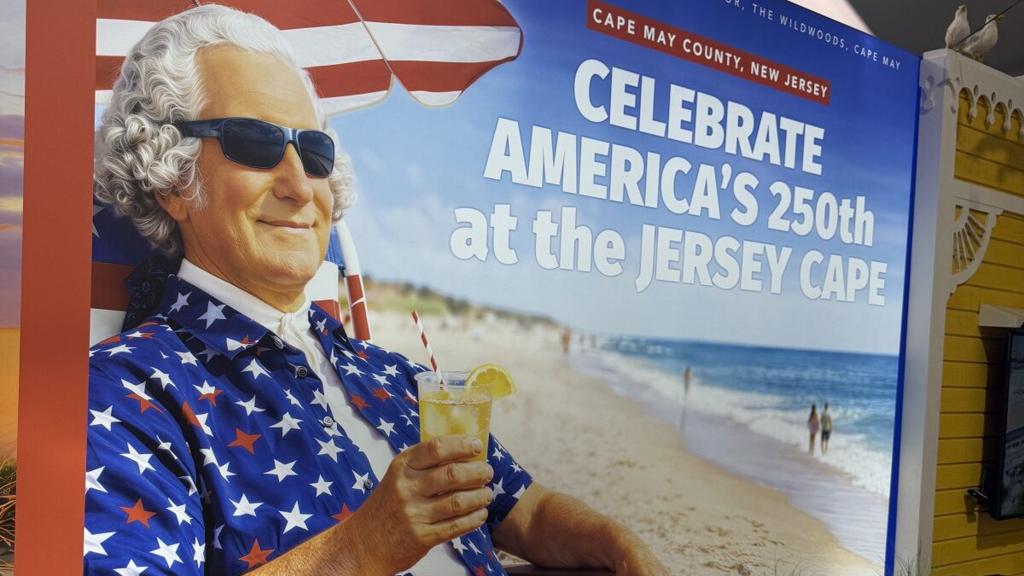
In a notable example of local initiative, Diane Wieland, the tourism director for Cape May County, New Jersey, took the initiative to create a pavilion after state officials opted out of participating. Her pavilion featured a giant sandcastle and offered free saltwater taffy, successfully showcasing local charm and culture despite the state's absence from the fair.
"We’ll do it!"
— Diane Wieland, tourism director, Cape May County
Mixed Reviews
Conversely, several states received criticism for their lack of creativity and engagement in their pavilion presentations. Pennsylvania's pavilion, which included a replica of the Liberty Bell, was noted for its bipartisan effort but still felt underwhelming compared to the more engaging displays from other states. Meanwhile, Ohio's pavilion was criticized for failing to highlight its rich historical contributions, such as those of the Wright Brothers and Neil Armstrong, which are significant aspects of American history.
Some states, including South Carolina and Vermont, were described as particularly disappointing, with minimal effort put into their exhibits. Critics argue that this reflects a broader trend of disengagement from state officials regarding cultural representation and the importance of showcasing their unique identities.
Cultural Significance
The fair's aim to celebrate America’s 250th anniversary adds weight to the importance of each state's participation in this event. With the potential for permanent pavilions in the future, the current event serves as a test case for how states can creatively engage with the public and represent their cultural heritage. As the fair continues, observers will be watching closely to see how states respond to feedback and whether they will invest more in their cultural displays in future events.
The disparity in pavilion quality may influence public perception of state pride and investment in cultural initiatives. The Great American State Fair is not just a showcase of state pride but also a reflection of how states view their role in the national narrative. As the event progresses, the conversation around state representation and investment in culture will likely intensify, prompting states to reassess their contributions to this national celebration. This reassessment could lead to a renewed commitment to cultural representation, ensuring that future fairs are more reflective of the rich diversity and history that each state has to offer.