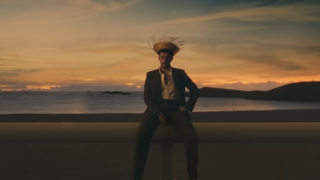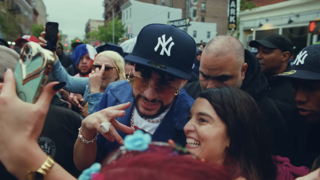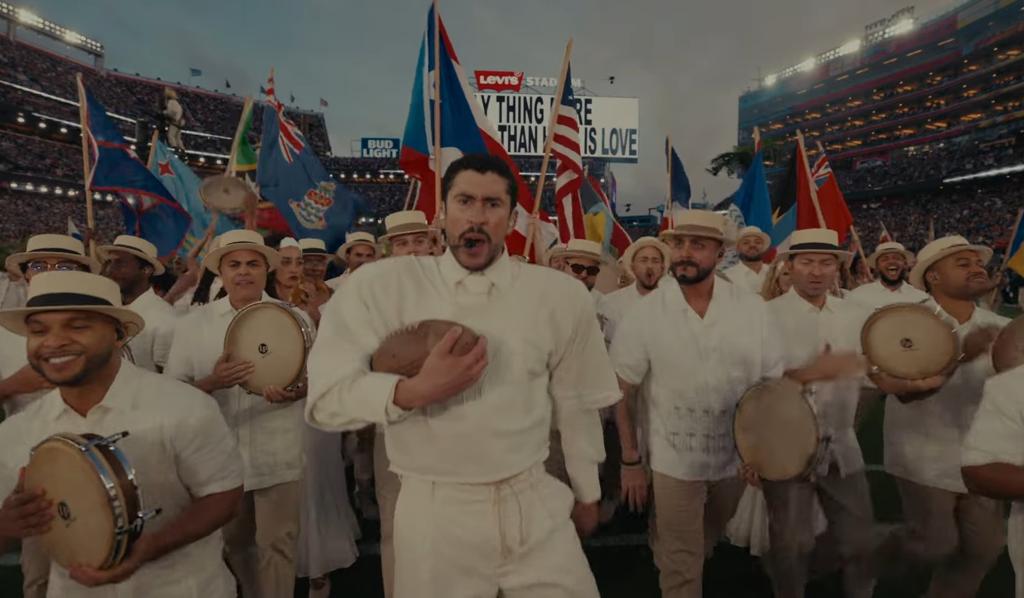
Bad Bunny's Super Bowl halftime performance has drawn significant criticism for its explicit lyrics and political messaging, particularly regarding Puerto Rico and immigration. Critics argue that the performance, which included themes of open borders and a rejection of U.S. statehood, oversimplifies complex issues and misrepresents the relationship between Puerto Rico and the mainland United States. This controversy has sparked a broader discussion about the role of artists in addressing social issues and the implications of their messages in a high-profile platform like the Super Bowl.
Explainer Christianity and Sports: Navigating Faith in Public Life
The controversy centers on the juxtaposition of Bad Bunny's performance and the broader cultural implications it carries. Supporters of the artist argue that his work reflects a necessary dialogue about identity and representation, while detractors claim it undermines the seriousness of the issues at hand. The performance was not only a showcase of music but also a statement that resonated with many, albeit controversially.
Bad Bunny, a Puerto Rican artist, performed several songs during the halftime show, including "Safaera," which featured graphic lyrics that many viewers found offensive. The performance was notable for being conducted entirely in Spanish, a choice that some critics viewed as alienating to the predominantly English-speaking audience of the NFL. "The vast majority of viewers couldn’t understand what he was saying, but if they could, they would have been confronted with extremely vulgar lyrics," said one commentator, highlighting the potential disconnect between the artist and the audience.
Lyrics and Messaging Under Fire
The explicit nature of Bad Bunny's lyrics has been a focal point of the backlash. Lines from "Safaera" have been described as graphic and inappropriate for a family-oriented event like the Super Bowl. Critics argue that such content is not suitable for a mainstream audience and detracts from the overall experience of the halftime show. The expectation for family-friendly entertainment at such a widely viewed event raises questions about the appropriateness of the material presented.
In addition to the explicit lyrics, Bad Bunny's performance included imagery and messaging that some interpreted as politically charged. He referenced caravans crossing the U.S. southern border and made statements suggesting a collective identity among countries in the Western Hemisphere. "Together we are America," he declared, which some critics argue diminishes the unique identity of the United States. This statement, while intended to promote unity, has been perceived by some as a challenge to the established national identity.
Cultural Context and Reactions
The NFL's decision to feature Bad Bunny has sparked debate about cultural representation in American sports. Some supporters argue that his presence highlights the growing influence of Latin music and culture in the United States. They see his performance as a celebration of diversity and an acknowledgment of the contributions of Latinx artists to the American cultural landscape. However, others contend that the performance was a missed opportunity to celebrate American culture in a more inclusive manner, suggesting that it could have been approached differently to resonate with a broader audience.
Bad Bunny's stance on Puerto Rican statehood has also come under scrutiny. He has expressed a preference for independence over statehood, a position that some see as contradictory given Puerto Rico's reliance on U.S. federal support. Critics point out that Puerto Rico, as a U.S. territory, benefits from federal assistance during natural disasters and economic crises. "Without the patronage of the American people, Puerto Rico would probably more resemble its hellscape neighbor Haiti than anything else," one critic stated, emphasizing the complexities of the political situation.
While the backlash has been vocal, supporters of Bad Bunny and his performance have not been as prominently featured in the discourse. Many fans argue that his work is a form of artistic expression that challenges the status quo and encourages dialogue about important issues. They believe that art should provoke thought and discussion, even if it is controversial.
Conclusion
As the dust settles from the Super Bowl halftime show, the debate over Bad Bunny's performance continues to highlight the complexities of cultural representation and the responsibilities of artists in addressing social issues. While some view his work as a necessary critique of American policies, others see it as an inappropriate platform for explicit content and divisive messaging. The conversation surrounding his performance underscores the ongoing tensions in American society regarding identity, immigration, and cultural representation. This incident serves as a reminder of the power of performance art to evoke strong reactions and the importance of understanding the context in which it is presented.