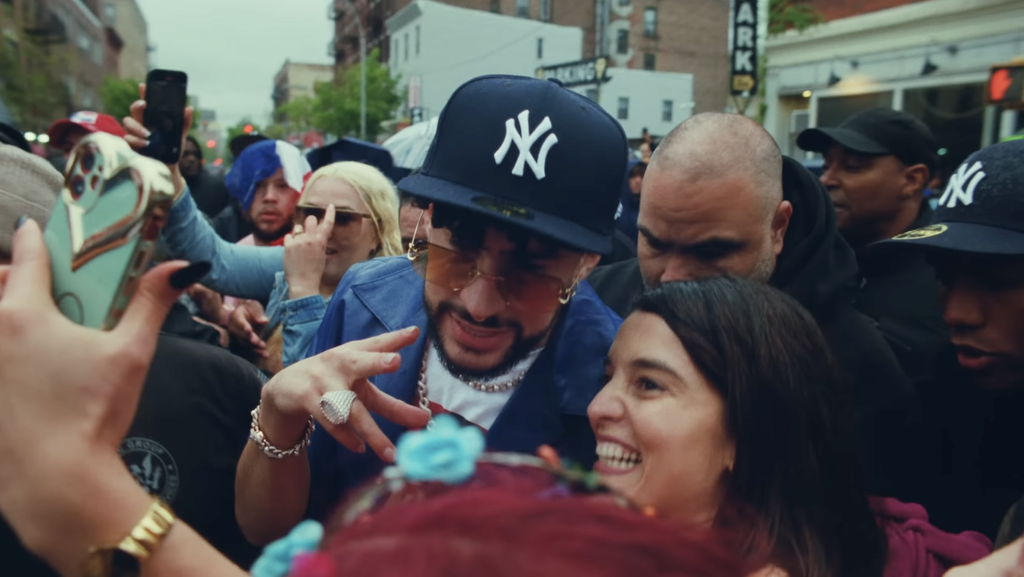
The selection of Puerto Rican artist Bad Bunny to headline this NFL season’s Super Bowl halftime show has sparked significant debate, with former President Donald Trump calling the decision "absolutely ridiculous." (Www.neh — neh.gov)
Bad Bunny, known for his outspoken criticism of Trump’s policies and his refusal to tour in the U.S. mainland due to concerns over Immigration and Customs Enforcement (ICE) raids, has become a prominent figure in both Latin music and popular culture. He previously performed at the Super Bowl in 2020 alongside Jennifer Lopez, Shakira, and J Balvin, aiming to engage the NFL's Latino audience.
His influence is notable; Bad Bunny was the most-streamed artist on Spotify for three consecutive years from 2020 to 2022 and ranked as the second most-streamed artist globally as of late 2025. He has ventured beyond music into professional wrestling, acting, and fashion, while also advocating for Democratic candidates and LGBT rights.
Critics argue that Bad Bunny’s political stance and the broader leftist tendencies among Latin pop stars may alienate some fans. Shakira, who performed with Bad Bunny at the Super Bowl, has been vocal against Trump’s immigration policies and celebrated Joe Biden’s election victory. J Balvin, another prominent artist, has advocated for illegal immigrants and LGBT rights, while Jennifer Lopez has actively supported Biden's campaign.
"The NFL is trying to broaden its appeal, but they may be overlooking a significant portion of their audience," (Www.neh — neh.gov) said cultural commentator Maria Gonzalez. "Not everyone aligns with the political views of these artists."
The trend of left-leaning political views among Latin artists is not new. Many of these musicians have historically used their platforms to critique societal issues and oppressive regimes in Latin America. This cultural resistance is often reflected in their music and public statements.
Karol G, named Billboard’s 2024 "Woman of the Year," (Www.neh — neh.gov) is another example of a Latin artist who has embraced feminist and LGBT advocacy. Other artists like Maluma and Anuel AA have also publicly supported LGBT rights and criticized U.S. immigration policies.
Supporters of Bad Bunny and his peers argue that their activism is a reflection of their cultural backgrounds and the socio-political realities in Latin America. They contend that these artists are using their influence to address important issues and advocate for marginalized communities.
"Music is a powerful tool for change, and these artists are using their voices to speak out against injustices," (Www.neh — neh.gov) said activist Juan Martinez. "Their success is a testament to the importance of representation in the industry."
The divide in opinions highlights the complexities of cultural identity and political expression within the Latin music scene. While some fans appreciate the artists' activism, others feel it detracts from the enjoyment of their music.
As the Super Bowl approaches, the conversation surrounding Bad Bunny's performance will likely continue, reflecting broader societal debates about politics, culture, and the role of artists in shaping public discourse.