A mother has shared her experience of how her husband's unwavering support during challenging prenatal diagnoses has shaped their family. She emphasized the critical role fathers play in decisions surrounding pregnancy, particularly when faced with difficult news about a child's health.
Explainer The Complex Legal Landscape of Abortion Laws After Dobbs
The core tension lies in the differing responses to prenatal diagnoses, particularly when conditions like Down syndrome are involved. While some fathers may choose to support their partners through these challenges, others may opt for a different path, leaving the decision-making primarily to the mother.
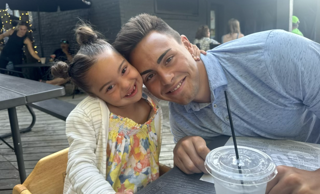
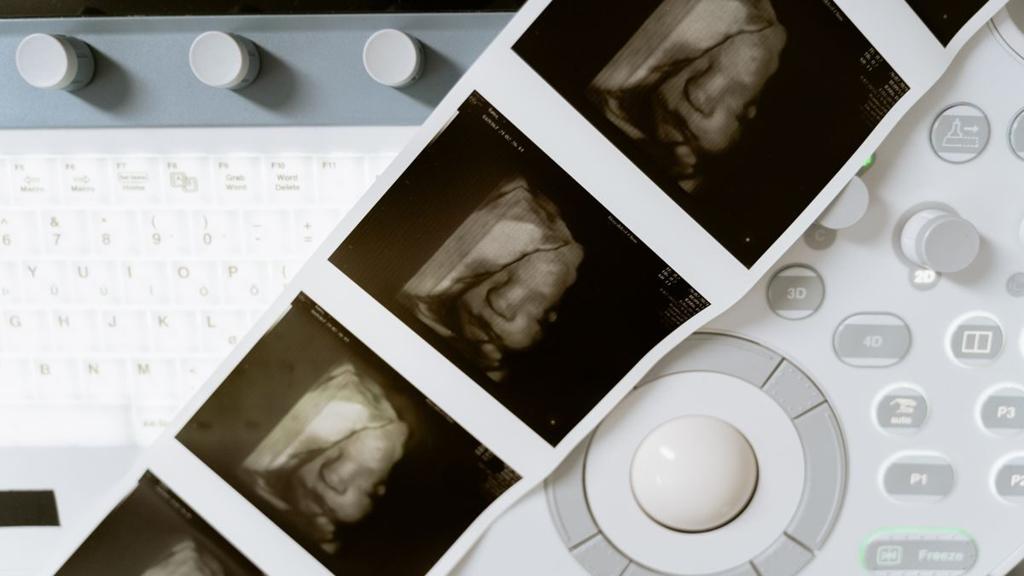
The mother, who leads a ministry assisting women facing unplanned pregnancies, recounted her own journey. At 17, she was pregnant with her third child when doctors diagnosed the baby with Down syndrome. Faced with the recommendation for abortion, her husband firmly stated, "No. That is not an option. I guess we are having a baby with Down Syndrome."
Key Details
Reflecting on her earlier pregnancies, she noted that her husband had consistently stepped up to support her. "He told me that if I didn’t want the baby, he would take her and raise her himself," she recalled. This commitment, she argues, is crucial for women who often face fear and uncertainty during such times.
Background and Reactions
In contrast, she pointed to a public figure, Jesse Ridgway, who publicly discussed his decision to terminate a pregnancy after a Down syndrome diagnosis. She expressed concern over the message this sends, stating, "The contrast between the father of my children and this YouTuber were so stark, yet so many men choose Jesse’s path instead of the harder one of supporting the mother of their children."
The mother highlighted that many women in her ministry experience similar abandonment from their partners, which exacerbates their fears. "These women are dealing with abandonment, fear, and distrust. They need actual support, not just affirmation of their decision," she said.
She acknowledged that it is understandable for couples to feel negativity or fear when faced with difficult prenatal diagnoses. However, she believes that every child is a gift, urging couples not to let fear dictate irreversible decisions. "Don’t let fear make a decision that can never be reversed," she advised.
The mother emphasized that fathers have a unique opportunity during pregnancy to embrace their roles and support their partners. "Fathers, you and your decisions matter. Don’t be afraid to fight for your baby," she stated, encouraging men to recognize the potential blessings that can arise from challenging situations.
In her view, the decisions made by fathers can have lasting impacts on families. She reflected on her husband's choices, stating, "It’s the times that he chose to fight rather than walk away that always stand out to me."
While critics of the pro-life stance argue that women should have the autonomy to make decisions about their pregnancies, supporters of the mother's perspective contend that fathers should be actively involved in these discussions. The mother’s experience illustrates the potential for positive outcomes when both parents engage in the decision-making process.
As discussions around prenatal care and abortion continue, the mother's story serves as a reminder of the importance of support systems in navigating these complex emotional landscapes. Her call for fathers to take an active role in their children's lives resonates with many who advocate for stronger family involvement during pregnancy.