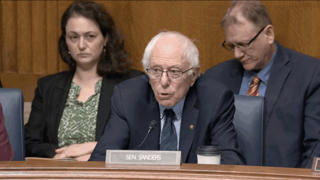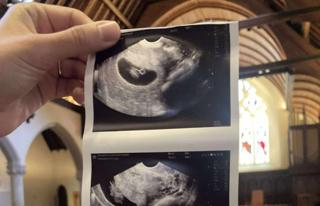
The Pennsylvania Judiciary Committee, predominantly composed of Democrats, approved six abortion-related measures on Tuesday, including five bills and a proposed constitutional amendment aimed at enshrining 'reproductive rights' in the state constitution. This amendment would eliminate existing restrictions on abortion, such as the current limit on abortions after 24 weeks, allowing for exceptions only when the mother's health is at serious risk.
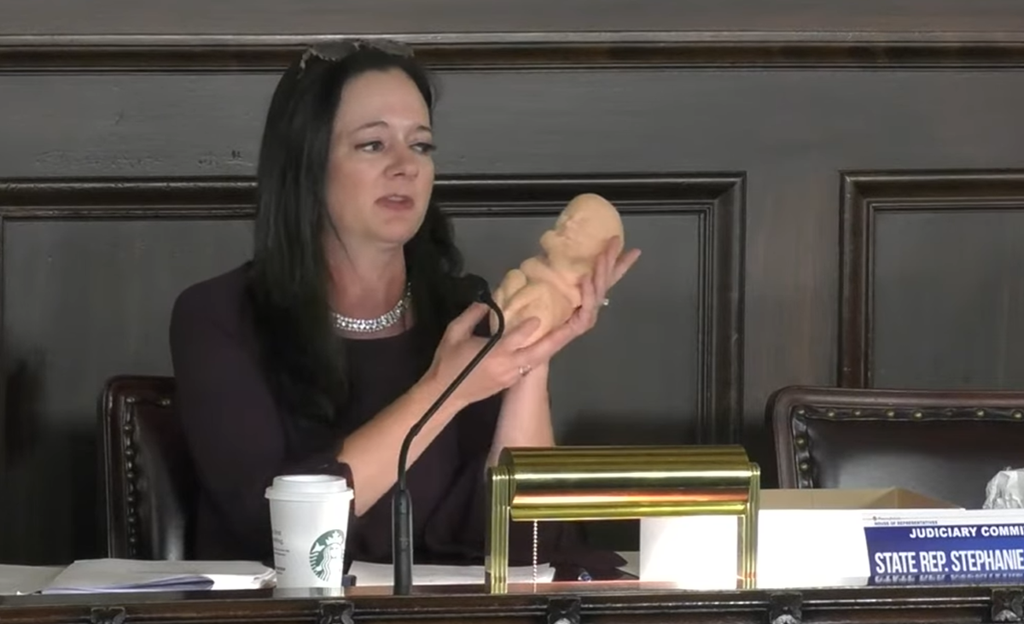
During the committee's hearing, State Rep. Stephanie Borowicz, a Republican, highlighted the humanity of unborn children by displaying a model of a 26-week-old fetus. She emphasized the need to recognize life, stating, 'We’ve got to regard life in America again.' However, Democrat Committee Chairman Tim Briggs instructed that no props be used during the meeting, leading Borowicz to conceal the model.
"We’ve got to regard life in America again."
— State Rep. Stephanie Borowicz, Republican
The proposed amendment, designated as HB 1957, would permit abortions up to the due date for any reason. Elizabeth Kirk, co-director of the Center for Law and the Human Person, testified that this amendment would represent one of the most extreme abortion laws in the nation, potentially affecting a range of reproductive services beyond abortion, including sterilization and gender transition surgeries.
Following the committee's approval, the amendment must pass in the Pennsylvania House in two consecutive sessions before being put to a statewide vote. The House currently has a narrow Democrat majority, which may facilitate the passage of this amendment and the other five bills.
The committee voted along party lines, with each measure passing 14-12 despite opposition from Republican members. Among the bills approved was HB 670, which mirrors the federal FACE Act, allowing abortion providers to sue individuals who obstruct access to abortion services. The bill aims to address concerns about interference, including bomb threats that disrupt clinic operations.
Borowicz questioned whether peaceful prayer could be considered obstruction, to which bill sponsor Lindsay Powell responded that while peaceful prayer is permitted, physical obstruction would violate the law. The committee moved quickly through discussions, limiting debate on each bill.
Another measure, HB 1640, seeks to protect abortion-related records from disclosure in civil and criminal cases, raising concerns among Republicans about the lack of provisions for victims of human trafficking and coerced abortions. HB 1641 prohibits medical liability insurers from penalizing doctors or facilities for performing abortions, while HB 1643 restricts other states from prosecuting Pennsylvania residents or abortion providers for abortion-related actions.
Minority Chairman Rep. Rob Kauffman criticized the bills as unconstitutional and detrimental to women seeking abortions, referencing the notorious case of Kermit Gosnell, a criminal abortionist who operated in Pennsylvania. He expressed concern that Pennsylvania could become a refuge for unethical practices in the abortion industry.
Lastly, HB 2005 eliminates the state's mandatory 24-hour waiting period and counseling requirements for abortions, removing the obligation for providers to inform patients about the risks, alternatives, and fetal development.
The passage of these measures reflects a significant shift in Pennsylvania's legislative landscape regarding abortion rights, with potential implications for reproductive health services across the state.