House Republicans passed a sweeping legislative package Wednesday that includes $95 billion in funding for the Iran war and provisions supporting state voter ID requirements, following significant behind-the-scenes efforts by Vice President JD Vance to unite a divided GOP caucus. The passage of the bill, known as reconciliation 3.0, comes after weeks of internal debate and highlights ongoing divisions within the Republican Party over war spending and election policy. According to sources familiar with the negotiations, cited by the Daily Signal, direct involvement from the White House was instrumental in securing enough support for the measure.
Explainer Election Integrity in America: Safeguarding Voter Trust and Ballot Security
The legislation’s approval marks a key victory for House Republican leadership, who faced resistance from both fiscal conservatives and members concerned about the scope of the voter ID provisions. While the bill provides substantial funding for military operations related to the Iran war, several conservatives objected to the absence of spending offsets, arguing that the new outlays would add to the federal deficit. Others raised concerns that the voter ID provisions would only offer optional funding to states that choose to adopt ID requirements and ban mail-in ballots, rather than imposing mandates on states with less stringent election laws.
Vance’s Role in Securing Votes
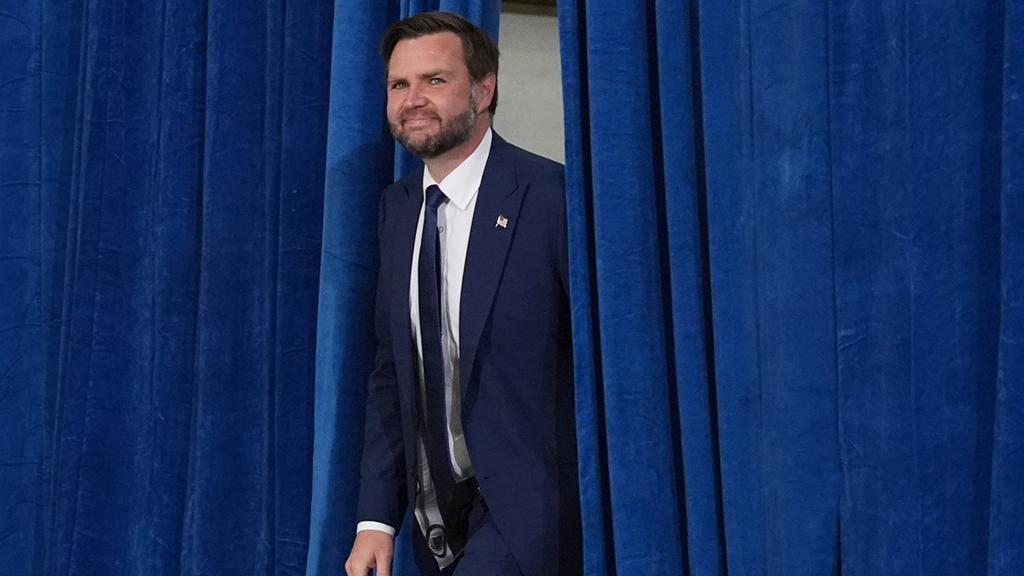
Vice President JD Vance played a central role in building support for the bill among skeptical House conservatives. According to sources, Vance personally called members who were hesitant to back the legislation, reassuring them that the White House remained committed to passing the full SAVE America Act and would not settle for a diluted version. In addition to these calls, Vance convened a private meeting with House members on July 15 to address concerns and answer questions about the bill’s provisions and the administration’s strategy.
Rep. Mike Flood, R-Neb., who chairs the Main Street Caucus, credited the White House’s engagement as a decisive factor in the bill’s advancement. “I don’t think this would have gotten off the ground in the House without the White House’s involvement. Every time they choose to provide leadership on something this big, it makes the process work a lot better, especially when you’ve got 220 different ideas about how to approach it,” Flood said.
Flood also highlighted the contributions of James Braid, director of the White House Office of Legislative Counsel, who spoke at a Main Street Caucus meeting last Monday. Braid outlined the administration’s legislative strategy and explained the need to adjust the bill’s approach to improve its prospects in the Senate. His presentation helped House members understand the challenges of advancing the package through both chambers of Congress.
Adjusting the Bill for Senate Passage
The original version of reconciliation 3.0 was designed to fund the Iran war while cutting other spending to offset the new expenditures. However, Braid explained to House members that this approach would likely stall in the Senate, where there is less appetite for deep spending cuts tied to war funding. As a result, the bill was revised to make it more acceptable to a broader range of lawmakers, particularly those in the Senate who might otherwise oppose it.
Flood emphasized that the bill needed to be straightforward and focused in order to avoid procedural delays in the Senate. Despite lingering concerns from fiscal hawks about the lack of offsets, House leadership and the White House worked closely to move the legislation forward. Flood described the week as highly productive for House Republicans and underscored the importance of continued White House engagement in shepherding major legislation.
Next Steps in the Senate
With the House having passed the package, attention now turns to the Senate, where President Donald Trump is urging lawmakers to act quickly. In a Truth Social post Friday, Trump called on the Senate to adopt a budget resolution before the August recess, stating, “We are ready to work side-by-side with the Senate to get this done for the American People!”
The Senate is expected to consider the bill under reconciliation rules, which allow passage with a simple majority rather than the usual 60-vote threshold. Supporters of the legislation argue that using reconciliation is necessary to advance both the Iran war funding and election reforms, given the current partisan divides. However, critics remain concerned about the bill’s fiscal impact, particularly the lack of spending offsets, and the scope of its election-related provisions.
As the Senate prepares to take up the measure, the outcome will likely hinge on whether the revised bill can attract enough support from moderate and swing-state senators. The White House and House Republican leaders are expected to continue their outreach efforts to ensure the package’s final passage, with the goal of enacting both the war funding and voter ID provisions before the August recess.
The Bottom Line
- Vice President JD Vance personally lobbied House conservatives to support the Iran war funding and voter ID bill.
- White House counsel James Braid and Rep. Mike Flood played key roles in shaping the bill for Senate passage.
- President Trump is urging the Senate to pass the package before the August recess using reconciliation rules.