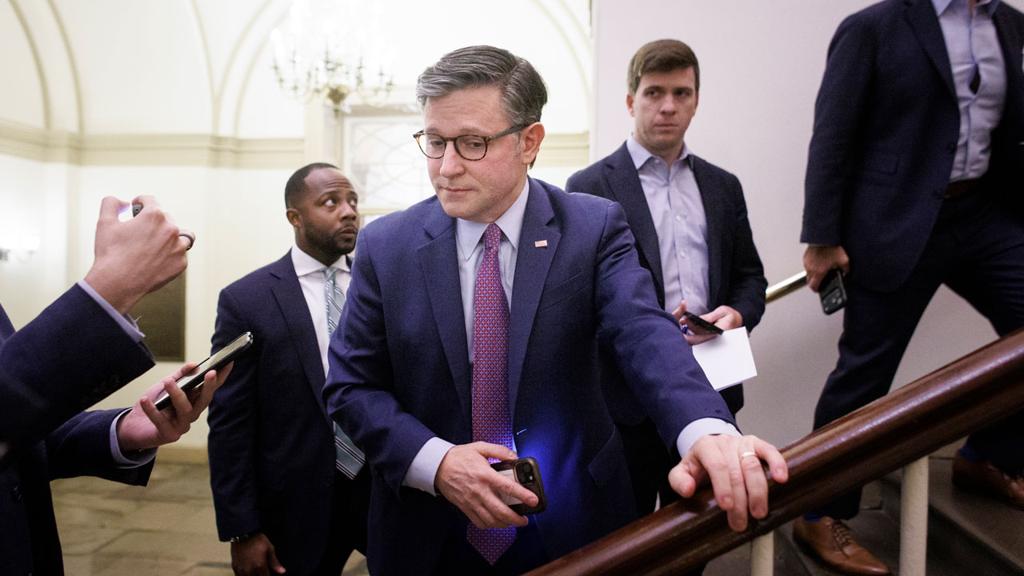
House Speaker Mike Johnson is leading a last-minute push to pass four major funding bills this week, aiming to include key provisions from the SAVE America Act that would require voter ID and proof of citizenship at the polls. The legislative sprint comes as Congress prepares for its monthlong recess beginning Friday, putting pressure on lawmakers to resolve several contentious issues before the break.
Explainer Voter ID Laws: Securing Elections While Debating Accessibility and Integrity
The effort reflects a central tension for Republicans: advancing election security measures and defense funding while facing internal divisions over the nearly $100 billion price tag and lack of spending offsets. Johnson’s strategy is to bundle these priorities into a series of votes, hoping to secure enough support from his party to move the measures forward.
The push to pass these bills comes as lawmakers seek to avoid a government shutdown and address long-debated issues like congressional stock trading and defense policy. The outcome of this week’s votes is likely to shape the legislative agenda through the end of the year, setting the stage for further negotiations when Congress returns from recess.
Election Security and SAVE America Act
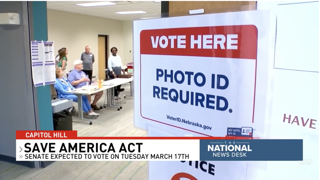
Johnson and GOP leaders are working to attach SAVE America Act provisions to three of the four bills under consideration. These measures would require voters to present photo ID and proof of citizenship when casting ballots, a move that Republicans argue is necessary to ensure election integrity. President Donald Trump has endorsed this approach, favoring a narrow $95 billion budget resolution as the first step toward reconciliation legislation that would enact these requirements.
The budget resolution instructs four House committees to draft reconciliation bills, including $10 billion for SAVE America, $60 billion for defense and Iran spending, $13 billion for intelligence, and $12 billion for agriculture. However, the package does not include measures to ban abortion funding, address fraud prevention, or promote affordability in housing and energy policies. This has led to criticism from some conservatives who argue that the package does not go far enough in addressing key Republican priorities.
The SAVE America Act provisions have become a rallying point for many in the GOP, who see voter ID and proof of citizenship as essential safeguards for the electoral process. Supporters argue that these requirements would help prevent voter fraud and restore public confidence in elections. Opponents, however, contend that such measures could make it harder for eligible voters to participate, particularly among minority and low-income communities.
Congressional Stock Trading Ban
The Stop Insider Trading Act, one of the bills up for a vote, would prohibit members of Congress, their spouses, and children from buying stocks while in office. The bill would also require public notification up to 14 days before any stock sale, increasing transparency and accountability for lawmakers’ financial activities. In addition to its financial restrictions, the bill incorporates a voter ID requirement from the SAVE America Act, further linking election security to broader ethics reforms.
"The Stop Insider Trading Act would end their ability to profit from the market while they are in office."
— Daily Signal report
The inclusion of the voter ID provision in the stock trading ban reflects a strategy by House GOP leaders to tie popular reforms together, increasing the chances of passage. The issue of congressional stock trading has gained traction in recent years, with bipartisan calls for stricter rules to prevent conflicts of interest and insider trading by lawmakers.
Government Funding and Defense Policy
To prevent a government shutdown, Johnson added a continuing resolution to the legislative schedule last week. The resolution would extend current government funding through December 4, maintaining 2026-approved spending levels without introducing new programs or appropriations. Passing the resolution is seen as a way for Republicans to avoid additional obstacles during the election season, with Democrats not expected to block the measure.
The House is also set to vote on the 2027 National Defense Authorization Act (NDAA), which will determine defense policy and recommend funding priorities for the coming year. The NDAA is expected to include amendments addressing environmental policies, electricity costs, critical minerals, and nuclear energy, as well as possible SAVE America voter ID provisions. The Senate has faced challenges advancing its version of the NDAA due to Democratic opposition to military actions in the Middle East, adding further uncertainty to the legislative process.
The NDAA is a must-pass bill that sets the framework for U.S. defense policy and spending. Lawmakers often use the annual defense bill as a vehicle for other policy priorities, and this year is no exception. The inclusion of election security measures in the NDAA reflects the GOP’s determination to advance these provisions before the recess.
Internal GOP Divisions and Next Steps
Johnson faces resistance from some conservatives over the lack of spending offsets in the nearly $100 billion package, particularly as it includes emergency defense funding and SAVE America provisions. Fiscal hawks within the party have expressed concern that the bills do not do enough to rein in government spending, while others argue that the security measures are too important to delay.
The House is expected to take action on the four bills Tuesday and Wednesday, with Johnson expressing hope that all will pass before the recess begins Friday. While Democrats have not indicated plans to stall the continuing resolution, the outcome of the broader package remains uncertain. The votes this week will test Johnson’s ability to unite his caucus and deliver on key Republican priorities, setting the tone for the remainder of the legislative year.
As Congress races toward its recess deadline, the fate of the SAVE America Act provisions and other major policy initiatives hangs in the balance. The decisions made this week will have lasting implications for election security, government funding, and the broader political landscape heading into the next session.