Jack Smith’s Role in the Trump Investigations: Law, Politics, and Controversy
Explore Special Counsel Jack Smith’s investigations into former President Trump’s classified documents and 2020 election probes through a detailed, balanced analysis.
Additional reporting by April Clark
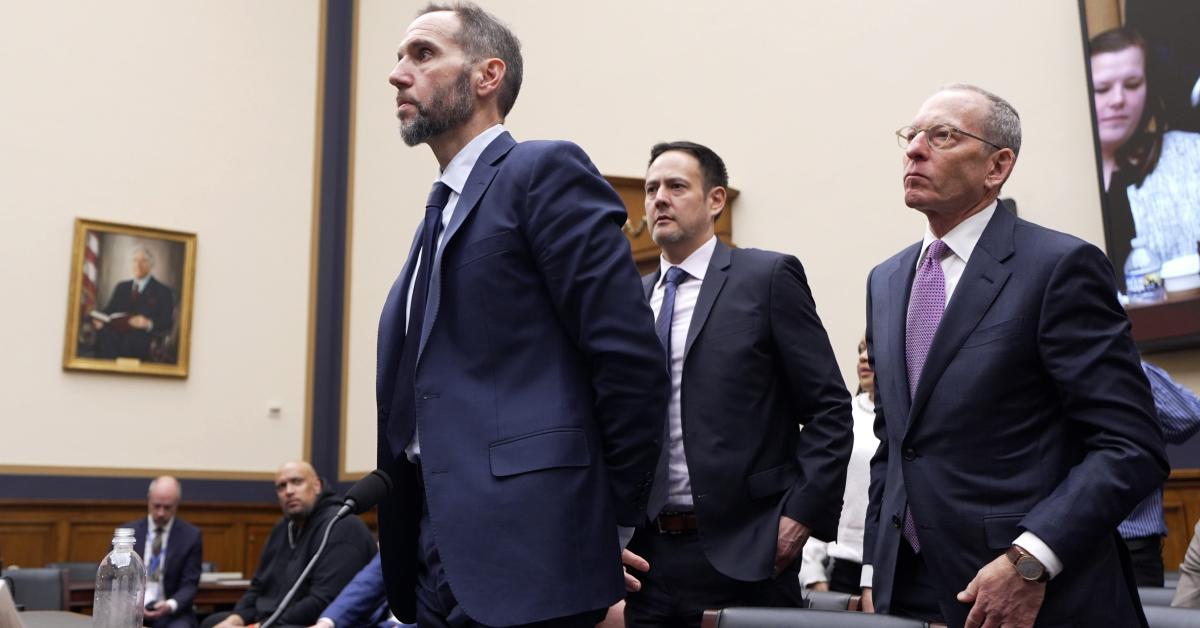
Former Special Counsel Jack Smith has emerged as one of the most significant figures in recent legal efforts to hold former President Donald Trump accountable for alleged wrongdoing. Appointed by Attorney General Merrick Garland in late 2022, Smith was tasked with overseeing a complex and politically charged investigation into Trump's handling of classified documents after leaving office and his efforts to overturn the 2020 presidential election. This multi-faceted inquiry has not only illuminated questions surrounding executive power and presidential immunity but has also sparked fierce debates across the political spectrum about the role and limits of the Department of Justice (DOJ).
Smith’s actions have drawn intense scrutiny from Republicans who view his investigations as politically motivated weaponization of the DOJ, while supporters contend that his work is a necessary defense of the rule of law against unprecedented challenges. This explainer delves into the origins, scope, legal intricacies, and fallout related to Jack Smith's role, providing readers with a deep, fact-based understanding that withstands the passage of time.
Appointment and Mandate of Special Counsel Jack Smith
"Jack Smith’s investigations blur the line between enforcing law and prosecuting politics, raising urgent questions about DOJ’s role in a divided America."
Jack Smith's appointment as Special Counsel was announced on November 18, 2022, by the DOJ as an independent effort to continue investigations into two major legal matters tied to Donald Trump: the mishandling of classified documents and alleged attempts to subvert the 2020 election results. Smith came into the role with a formidable reputation based on years of prosecuting public corruption and complex criminal investigations, lending his appointment an aura of seriousness and prosecutorial rigor.
The decision to appoint a special counsel underscored the sensitivity and potential constitutional ramifications involved. Given the rarity of criminal investigations targeting a former president, Smith's mandate was crafted to ensure independence from direct political influence, while still within the supervisory scope of Attorney General Merrick Garland. This arrangement sought to balance the need for impartial justice with the recognition of the office’s immense political implications.
From the outset, Smith committed to leveraging a vast array of investigative tools and legal precedents. His team revived and expanded inquiries previously conducted under DOJ leadership, utilizing subpoena powers that reached into former administration officials, political allies, and state actors. Notably, former Vice President Mike Pence was subpoenaed in February 2023, highlighting the probe’s reach into critical testimonies about efforts to challenge the 2020 election outcome. Smith’s approach is best understood as an extension of prior investigations but with enhanced prosecutorial independence.
The legal community recognized the extraordinary nature of Smith's appointment, as his investigations touched on uncharted constitutional questions about executive privilege, presidential immunity, and the role of federal prosecutors in politically sensitive matters.
Major Indictments and Legal Proceedings Led by Smith
Jack Smith’s investigations swiftly escalated into some of the most consequential criminal cases in recent American history. In June 2023, his office indicted former President Trump on 37 felony counts centered chiefly on the mishandling of classified documents. These charges went beyond administrative lapses, asserting willful retention of national defense information and obstruction of justice. The indictment presented detailed allegations of deliberate attempts to block federal authorities from accessing sensitive files, raising nuanced questions about the handling of presidential records under the Presidential Records Act and classification protocols.
These charges not only challenged traditional conceptions of presidential immunity but also marked an aggressive prosecutorial posture reinforcing that former presidents remain subject to criminal law. The case stirred significant debate among legal scholars and conservatives, with some cautioning against expansive interpretations of classification violations potentially weaponized for political ends.
Further deepening the legal landscape, Smith filed a separate four-count indictment in August 2023 targeting Trump’s conduct relative to the January 6 Capitol events and his broader alleged conspiracy to overturn the 2020 election results. These indictments included conspiracy to defraud the United States and obstruction of an official proceeding. Evidence presented involved efforts to pressure state election officials and Congress, implicating attempts to subvert lawful democratic processes. The intertwining of political maneuvers with alleged illegal acts underscored the investigation’s unprecedented scope.
These grand jury proceedings and indictments tested the boundaries of constitutional protections afforded to presidential communications and actions. Trump’s defense teams invoked separation-of-powers arguments, claiming the DOJ’s pursuit constitutes political persecution and dangerous encroachment upon executive authority. Conversely, Smith’s legal theory emphasized that accountability under the law should be uniform, reinforcing a foundational conservative principle that no individual, regardless of rank, is above justice.
The indictments remain subject to vigorous legal challenges and appeals, suggesting a prolonged judicial battle that could redefine executive accountability in American jurisprudence.
Contentious Surveillance and Subpoena Practices Under Smith’s Direction
Alongside the criminal charges, Smith's investigative methods have raised constitutional and political concerns. Republican critics have charged the special counsel’s office with employing overbroad subpoenas and surveillance tactics that appear to target political opponents rather than focusing narrowly on criminal conduct. Among the most contentious revelations was the collection of nearly 5,000 checks from Trump donors and detailed financial records from conservative organizations. Critics framed these actions as fishing expeditions threatening free speech and association rights.
One particularly notable controversy involved Smith’s team obtaining payroll data from a conservative advocacy group, described by critics as an unnecessary expansion of investigatory scope without clear legal justification. These tactics have been characterized as part of a broader pattern of weaponization of federal investigative powers against political adversaries.
Senate Republicans have taken a keen interest in these tactics, probing allegations that Smith’s office improperly accessed communications of GOP lawmakers—particularly text messages—which raised serious concerns over legislative privilege and potential breaches of separation of powers doctrine. Reports surfaced that DOJ officials signed off on subpoenas for phone records of prominent Republican senators, fueling bipartisan debates about the limits of executive branch investigative authority.
Perhaps most contentious were revelations that the FBI conducted surveillance of Trump’s legal team and key advisers during the classified documents investigation. These operations sparked alarm among conservatives wary of potential violations of attorney-client privilege and encroachments on constitutional protections. The DOJ and Smith have firmly denied wrongdoing, asserting all investigations adhered to established legal norms and procedural safeguards. However, these disputes continue to fuel partisan controversy and congressional oversight.
Legislative and Political Backlash Against Jack Smith
Smith’s investigations have catalyzed intense backlash in the legislative arena, primarily from Senate and House Republicans who view them as politically motivated. Multiple GOP senators have publicly accused Smith of utilizing the DOJ as a tool for partisan vendettas. A high-profile lawsuit filed by Senator Marsha Blackburn challenged Smith’s seizure of her phone records during the so-called 'Arctic Frost' investigation, framing it as an infringement on privacy and separation of powers.
Congressional committees, particularly the House Judiciary Committee, have produced critical reports outlining instances where Smith’s team reportedly sidestepped constitutional limits. These include claims that Smith’s office pressed forward with subpoenas despite knowing they risked violating legislative privilege and constitutional safeguards. GOP lawmakers have interrogated federal judges who approved expansive subpoena requests, suggesting judicial complicity in blurring the lines between investigatory necessity and political intrusion.
Public hearings have become forums for vigorous debate about the proper scope and limits of prosecutorial authority in politically charged investigations. While some conservative legal minds concede the federal government’s right to pursue legitimate criminal cases, they warn against setting dangerous precedents that undermine constitutional checks and balances. This debate reveals the deep ideological fissures in America concerning justice, political power, and the proper role of federal agencies.
The political fight also involves media scrutiny, with Smith’s office and the DOJ often framed in conservative reporting as emblematic of an overreaching bureaucracy eager to police political opponents rather than uphold impartial justice.
Implications for the Rule of Law and Future Legal Proceedings
Jack Smith’s role as Special Counsel sits at the fault line between law enforcement, politics, and constitutional governance. His investigations represent a pivotal test of whether the American justice system can hold former presidents accountable while preserving due process and political neutrality. For conservatives attentive to government power, Smith’s probes underscore enduring worries about DOJ politicization and the potential for legal tools to be used selectively against political foes.
Simultaneously, these cases highlight an essential conservative commitment to the principle of equal justice under the law. Traditional conservative legal philosophy insists that justice must be blind to stature and office, especially to preserve rule of law and political stability. The Smith investigations, by challenging established immunities and privileges customized for high officeholders, reshape expectations about transparency and criminal liability for those at the highest levels of power.
The ultimate legacy of Smith’s inquiries will hinge on judicial interpretations. Court rulings on the limits of executive privilege, the legality of investigative tactics, and the constitutional authority of federal prosecutors will fundamentally influence future presidential accountability and the autonomy of the DOJ. Appeals and potential Supreme Court involvement are anticipated to further clarify these thorny issues.
Continued congressional oversight will also play a critical role in shaping public perceptions and legal precedents. Responsible reporting and thorough public scrutiny, such as The Liberty Tribune’s ongoing analysis of evolving court decisions and legislative probes, remain central to understanding this evolving saga. By shedding light on the intersection of law, politics, and individual rights, these developments will inform how Americans navigate questions about justice in a polarized era.
For readers seeking detailed insights, our coverage addresses how Smith’s team collected payroll data from a conservative group, the ex-FBI chief’s criticism of bureau norms during the probe, and the ongoing Senate examination of alleged journalist surveillance. Emerging revelations, such as the FBI’s monitoring of Trump’s legal team, sharpen debates over investigative boundaries and constitutional protections.
The legal and political ripples of Smith’s tenure ensure that debates over executive power, DOJ neutrality, and election integrity will remain front and center for years to come. Conservatives, in particular, face the challenge of defending the rule of law while vigilantly guarding against politicization and ensuring constitutional checks are respected.
Frequently asked questions
Who is Jack Smith and why was he appointed Special Counsel?
Jack Smith is a veteran federal prosecutor appointed by Attorney General Merrick Garland to oversee investigations into former President Trump's handling of classified documents and efforts to overturn the 2020 election.
What are the main charges brought by Jack Smith against Donald Trump?
Smith indicted Trump on 37 felony counts related to classified documents mishandling and obstruction, and later on four counts regarding conspiracy and obstruction connected to efforts to reverse the 2020 election results.
Why have Republicans criticized Jack Smith’s investigations?
Republicans allege that Smith’s probes reflect political bias and DOJ weaponization, citing broad subpoenas for lawmakers' records and surveillance that they believe exceed legal norms.
What legal standards are debated in these investigations?
Key debates revolve around the scope of presidential immunity, executive privilege, attorney-client privilege, and the constitutional bounds of congressional subpoenas and DOJ investigations.
Have any prominent political figures been directly involved or subpoenaed?
Yes, former Vice President Mike Pence was subpoenaed in the election investigation, and multiple GOP lawmakers’ communications have been scrutinized under Smith’s subpoenas.
What controversies surround the investigative methods used by Smith?
Critics have pointed to the seizure of phone records, surveillance of Trump’s legal team, and gathering financial data from donor groups as overbroad or politically motivated tactics.
How might these investigations affect the broader political and legal landscape?
The investigations challenge how justice is applied to former presidents, influence public trust in federal law enforcement, and could redefine legal protections around classified information and election integrity.
Timeline of our coverage
- 2026-10-16 — Jack Smith’s Team Collected Payroll Data From Conservative Group in Trump Probe
- 2026-10-08 — Ex-FBI Training Chief: Bureau Broke Norms in Jack Smith Probe
- 2026-10-07 — DOJ Report Reveals White House Pressure on School Board Parent Investigations
- 2026-10-06 — Senate Probes Jack Smith Over Journalist Surveillance, DOJ 'Weaponization' Claims
- 2026-10-05 — Declassified Memos Reveal FBI Monitored Trump Legal Team and Advisers During Classified Documents Probe
- 2026-10-05 — Jack Smith Team Met Brennan at CIA; FBI Notes Blank Amid Trump Probe
- 2026-09-30 — Sen. Blackburn Sues Jack Smith Over Seizure of Phone Records in Arctic Frost Probe
- 2026-09-30 — Senate Republicans Accuse Jack Smith of Political Motive in Trump Probe
- 2026-09-29 — Jack Smith Obtained Nearly 5,000 Checks From Trump Donors, Senate Whistleblower Disclosures Reveal
- 2026-09-23 — House Report: Jack Smith’s Team Knew Congressional Subpoenas Risked Violating Constitution
- 2026-09-23 — DOJ Officials Approved Subpoenas for GOP Lawmakers’ Phone Records, House Report Says
- 2026-09-23 — House Judiciary Releases New Details on Seizure of Rep. Scott Perry’s Phone
- 2026-07-16 — Sen. Tillis Draws GOP Criticism Over DOJ 'Weaponization' Comparison at Blanche Hearing
- 2026-07-14 — Senators Release Records Alleging Special Counsel Jack Smith Improperly Accessed Lawmakers’ Texts
- 2026-03-24 — Cleveland Critiques Jack Smith's Legal Actions Against Trump in Senate Hearing
- 2026-02-27 — FBI's Surveillance of Trump Allies Raises Concerns Amid Silence from Democrats
- 2026-01-21 — Jack Smith to Testify Before House Judiciary Committee Amid Controversy
- 2025-12-29 — Special Counsel's Attorney Accused of Undermining Clinton Foundation Investigation
- 2025-12-03 — House Subpoenas Jack Smith Over Arctic Frost Fishing Expedition
- 2025-11-25 — Jack Smith Ignored Constitutional Standards In Arctic Frost Lawfare
The Bottom Line
- The investigations test the limits of presidential immunity and executive privilege.
- They highlight concerns over potential politicization and weaponization of federal prosecutorial power.
- The probes impact trust in American justice and democratic stability.
- They set precedents for how classified information mishandling is handled legally.

Sources
- Special Counsel Jack Smith's Office
- U.S. Supreme Court
- Politifact.com: Who Is Jack Smith The Prosecutor In Trump Classifi
- Latimes.com: What We Know About The Trump Special Counsel Investigation
- Cbsnews.com: Trump Documents Case Special Counsel Classified Material Discovery
- Axios.com: Trump Meadows Gag Order Smith (Oct 26, 2023)
- Apnews.com: Ff81f4ea331cb72fa3f50f74dd8f1fce
- Time.com: Trump Classified Documents Mueller Report