Exit polling from the recent midterm elections indicates that voters who prioritized immigration enforcement largely supported Republican candidates, challenging claims from Democrats and some Republican critics that President Donald Trump’s immigration policies led to GOP losses.
Explainer Understanding Midterm Elections: Voter Trends, Security, and GOP Strategy
The debate over the political impact of Trump’s immigration approach has been ongoing. Some analysts and commentators, including those from outlets such as The Wall Street Journal, Forbes, and The Nation, have argued that Trump’s immigration crackdown alienated voters and contributed to Democratic victories. However, exit poll data cited by Jeffrey H. Anderson, president of the American Main Street Initiative, suggests a more complex picture. According to Anderson, while Democrats were favored on most issues, the parties were tied on immigration, with 42 percent each. Among voters who identified immigration enforcement as a “crucial” factor, Republicans led by 13 points.
Exit Poll Findings on Immigration
Exit polling found that 72 percent of voters said immigration enforcement policies were either a “crucial” or “major” factor in their vote. These voters favored Republicans by a narrow margin of 50 to 48 percent. Within this group, the 36 percent who called immigration enforcement “crucial” supported Republicans by a wider margin, 56 to 43 percent. When asked to name the most important issue facing the country, 13 percent of voters chose immigration, and these voters overwhelmingly supported Republicans by an 89 to 10 percent margin.
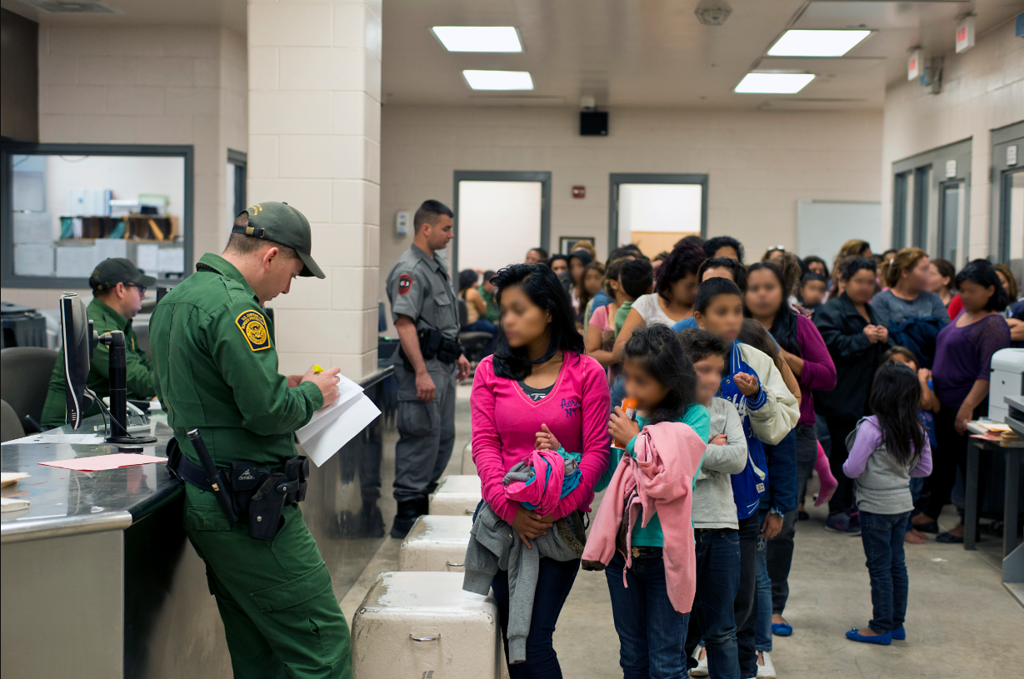
Despite the strong support among immigration-focused voters, a majority—59 percent—said the Trump administration had “gone too far” on immigration enforcement. Critics, including Democratic leaders and some establishment Republicans, have pointed to this sentiment as evidence that Trump’s policies hurt the GOP. Additionally, voters disapproved of Immigration and Customs Enforcement’s (ICE) performance by a 61 to 39 percent margin. However, it is notable that ICE polled better than both Congress and the president, suggesting a nuanced public view of immigration enforcement agencies compared to other institutions.
Competing Interpretations and Criticism
Some commentators, such as Forbes’ Stuart Anderson and writers at The Nation, argue that the administration’s aggressive enforcement, including high-profile ICE operations, fueled backlash and energized Democratic turnout. The Nation specifically cited the ICE operation in Minneapolis and the subsequent public outcry as a turning point, noting that the movement to abolish ICE gained renewed momentum following these events.
President Trump himself, when questioned by Ross Douthat on 60 Minutes, acknowledged that he might have been “too tough” on immigration enforcement. However, he soon after appointed Stephen Miller, a key architect of the administration’s immigration agenda, as White House chief of staff. Critics interpreted this move as a signal of a continued hardline approach to immigration policy.
Supporters of Trump’s policies argue that the exit poll data demonstrates continued voter support for strong border enforcement, especially when compared to the previous administration’s approach. Anderson writes that, “voters who cared a lot about immigration backed Republicans—and the more they cared, the more likely they were to back the GOP.”
"Voters who cared a lot about immigration backed Republicans—and the more they cared, the more likely they were to back the GOP."
— Jeffrey H. Anderson, president of the American Main Street Initiative
Broader Electoral Dynamics
Exit polls also indicate that other issues played a larger role in Republican losses. Ninety percent of voters cited government corruption as a major or crucial factor, 89 percent cited the cost of living, and 74 percent cited the war in Iran. Voters who prioritized these issues favored Democrats by at least 18 points in each category. This suggests that, while immigration was important to a significant portion of the electorate, it was not the dominant issue driving overall voting patterns.
While critics maintain that Trump’s immigration policies contributed to the GOP’s defeat, exit polling indicates that immigration was not the primary reason voters turned away from Republicans. Instead, concerns about corruption, economic pressures, and foreign policy dominated voter priorities. The Trump administration and its supporters have not directly addressed the criticism that enforcement policies cost Republicans the election, but they point to the data showing continued support among immigration-focused voters.