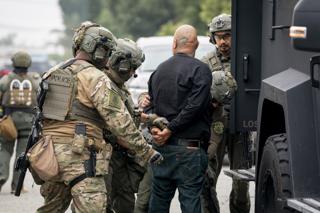
A federal judge has issued a permanent injunction prohibiting California from enforcing state laws that sought to regulate the conduct of federal law enforcement officers, including Immigration and Customs Enforcement (ICE) agents, while on duty.
Explainer Understanding Public Safety Trends: Crime Declines and Rising Challenges for Law Enforcement
The ruling underscores the constitutional limits on states’ authority to control federal law enforcement operations, especially amid ongoing disputes over immigration enforcement and officer safety.
The court’s order, entered by District Judge Christina A. Snyder, blocks California officials—including Governor Gavin Newsom and Attorney General Rob Bonta—from enforcing statutes that required federal agents to display identification and banned the use of face coverings during operations. The decision follows a lawsuit by the U.S. Department of Justice, which argued that such laws unlawfully interfered with federal officers’ ability to protect their identities and perform their duties, particularly in the face of rising threats and harassment.
The Court’s Permanent Injunction
Judge Snyder’s order permanently enjoins California from enforcing Sections 7288 and 7289 of the California Government Code and Sections 185.5 and 13654 of the California Penal Code against federal law enforcement officers and agencies. The injunction resolves the Justice Department’s lawsuit, which challenged California’s attempt to regulate federal law enforcement practices. The court retains jurisdiction to enforce the judgment, and the action was dismissed with prejudice as part of the final resolution.
Associate Attorney General Stanley E. Woodward, Jr. said the ruling “confirms a basic constitutional principle: states do not have the authority to regulate the Federal Government or dictate how federal law enforcement officers perform their official duties.” Acting Assistant Attorney General Jonathan D. Guynn added that the order “protects both the supremacy of federal law and the safety of federal law enforcement officers.”
"The Constitution does not permit states to interfere with federal operations or place federal officers and their families at risk. This injunction ensures that federal law enforcement officers can continue carrying out their important missions without unlawful state interference."
— Stanley E. Woodward, Jr., Associate Attorney General
California’s Laws and Political Response
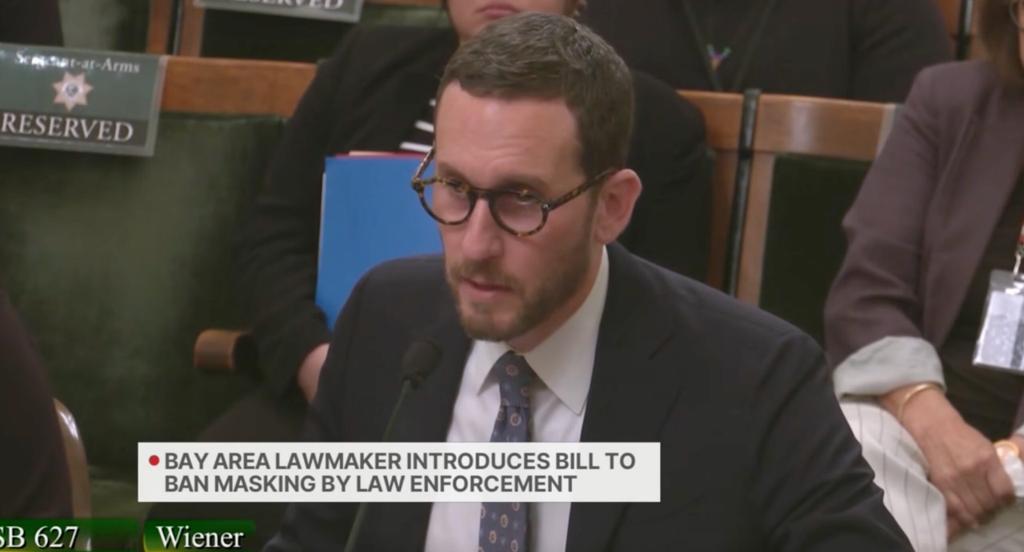
The challenged laws, including the so-called No Secret Police Act (SB 627), were championed by state senator and congressman-elect Scott Wiener, who argued they would prevent the use of masks by ICE and other law enforcement officers. Wiener celebrated the bill’s passage, but the federal court found the measures unenforceable against federal agents. Attorney General Rob Bonta previously highlighted a temporary court victory upholding the state’s requirements, but has not commented publicly since the permanent injunction was issued.
Eight states, including California, have enacted similar laws restricting federal agents from wearing face masks while on duty. Supporters of these measures argue they promote transparency and accountability, while federal officials maintain that such restrictions endanger officers and impede federal law enforcement.
Federal Officer Safety and Harassment
The Department of Homeland Security has reported a significant increase in threats, doxxing, and harassment targeting ICE agents and their families. According to a DHS statement, assaults against ICE officers have risen by more than 1000%, with multiple incidents of personal information being posted online and direct threats made to agents’ families. DHS officials have condemned comparisons of ICE to secret police or the Gestapo, warning that such rhetoric has real-world consequences for officer safety.
What the Permanent Injunction Says
The permanent injunction issued by Judge Snyder states that California is “permanently enjoined from enforcing Sections 7288 and 7289 of the California Government Code and Sections 185.5 and 13654 of the California Penal Code against the United States, federal law enforcement officers, and federal law enforcement agencies.” The order affirms that “such restrictions threaten the safety of federal officers who have faced an unprecedented wave of harassment, doxxing, and even violence.” The court retains jurisdiction to implement and enforce the final judgment.
The Justice Department has indicated it will continue to challenge state and local measures that attempt to regulate federal law enforcement operations. California officials have not issued further statements following the court’s decision.