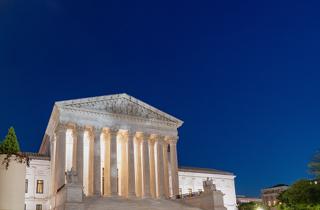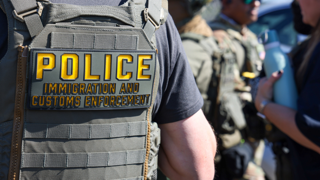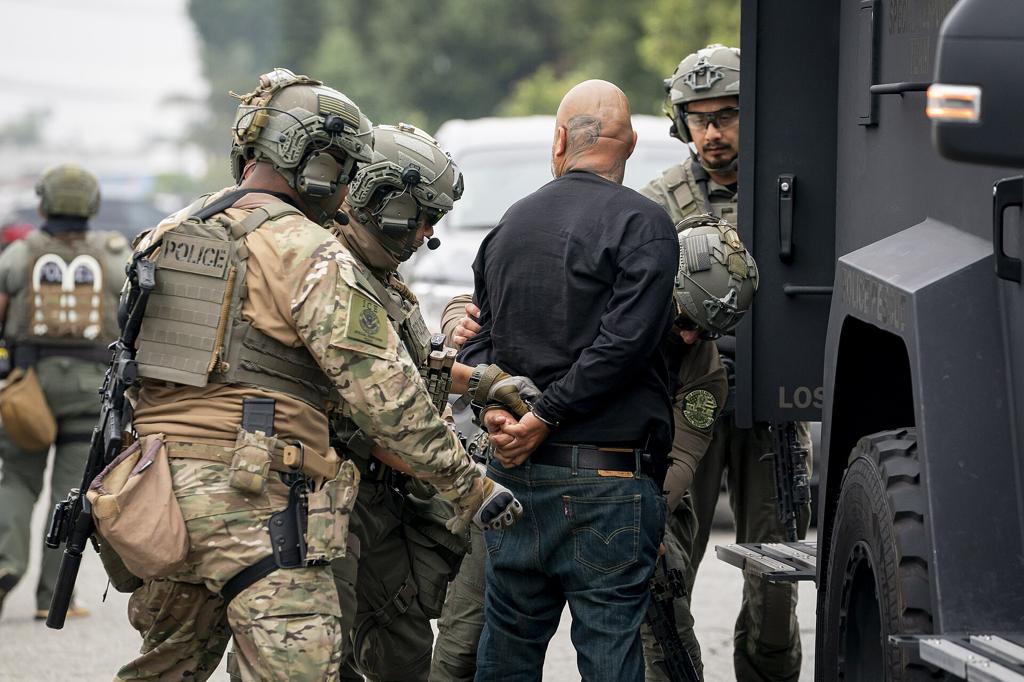
A three-judge panel of the 9th Circuit Court of Appeals has unanimously struck down a California law that required U.S. Immigration and Customs Enforcement (ICE) agents to visibly display identification while conducting immigration operations in the state. The decision, issued Wednesday, marks a significant development in the ongoing legal and political conflict between California officials and federal authorities over the boundaries of state power to regulate federal immigration enforcement activities.
Explainer Understanding Public Safety Trends: Crime Declines and Rising Challenges for Law Enforcement
The panel’s ruling specifically targets Section 10 of California’s No Vigilantes Act, finding that it violates the U.S. Constitution’s Supremacy Clause. This clause establishes that federal law takes precedence over conflicting state statutes, a principle that has often been at the center of disputes between state and federal governments. The three-judge panel included Judge Jacqueline Nguyen, appointed by President Obama, and Judges Mark Bennett and Daniel Collins, both appointed by President Trump.
The Court’s Reasoning
In its decision, the 9th Circuit panel concluded that California’s law unlawfully attempted to regulate federal operations without congressional authorization. Judge Mark Bennett, writing for the court, explained that the law is void because it directly regulates the conduct of the United States government, which is not permitted unless Congress has specifically authorized such state regulation.
"In sum, if a state law directly regulates the governmental conduct of the United States without congressional authorization, it is void irrespective of whether the regulated activities are essential to federal functions or operations, and irrespective of the degree to which the state law interferes with such functions or operations."
— Judge Mark Bennett, 9th Circuit Court of Appeals
This ruling reverses a lower court’s earlier denial of a preliminary injunction. The case now returns to the district court, which is expected to formally prohibit California from enforcing the law against federal officials. Notably, the 9th Circuit had previously granted an emergency request from the Trump administration to block the statute while the case was under review, signaling early concerns about the law’s constitutionality.
California’s Law and Federal Challenge
California’s No Vigilantes Act was signed into law by Democratic Governor Gavin Newsom. The statute required plainclothes law enforcement officers, including federal agents, to display identification during operations within the state. The law took effect on January 1 and was enacted alongside the No Secret Police Act, which separately banned federal officers from wearing masks while on duty in California.
The U.S. Department of Justice challenged the law soon after its enactment, arguing that it interfered with federal authority and operations. The appellate court’s decision affirms the Justice Department’s position, stating that Congress has not authorized states to impose such requirements on federal agents. The court’s opinion emphasized that, under the Supremacy Clause, states may not directly regulate the conduct of federal officials unless Congress has explicitly allowed it.
Broader Context and Reactions
The 9th Circuit’s decision arrives amid heightened tensions between California officials and federal immigration authorities. In recent months, ICE agents have faced criticism and, in some cases, violence from activists opposed to federal immigration enforcement. For example, in November, a shooting in Dallas targeted an ICE transportation vehicle, resulting in two deaths. According to reports, the shooter had anti-ICE engravings on his ammunition, and the incident followed public remarks by Governor Newsom criticizing ICE operations.
Supporters of the No Vigilantes Act argued that requiring federal agents to display identification would increase transparency and accountability during immigration enforcement actions. However, federal officials contended that such requirements could compromise officer safety and hinder federal operations.
As of now, California officials and supporters of the law have not publicly responded to the 9th Circuit’s ruling. The case returns to the district court for further proceedings, with the appellate injunction against enforcement of the law remaining in effect.
The Supremacy Clause, as explained in the Constitution Annotated, prevents states from directly regulating federal operations without explicit congressional approval. This constitutional principle has been central to numerous disputes involving the balance of power between state governments and the federal government, particularly in areas such as immigration enforcement where federal authority is well established.
The outcome of this case may have broader implications for other state efforts to regulate or restrict federal immigration activities. As the legal process continues, the district court will be tasked with issuing a formal order prohibiting enforcement of the law, unless further appeals are filed. The ongoing dispute underscores the complex and often contentious relationship between state and federal governments over immigration policy and enforcement.