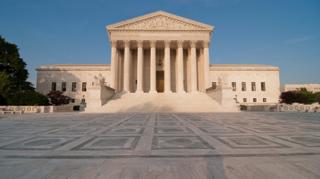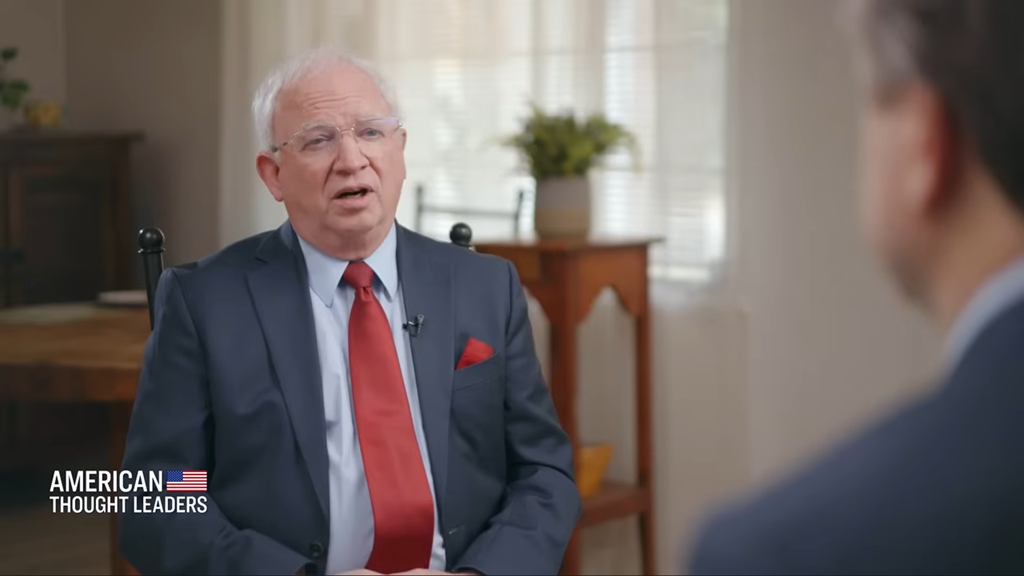
Conservative legal organizations are urging the U.S. Supreme Court to review the case of Eastman v. State Bar of California, which challenges the state’s decision to revoke attorney John Eastman’s law license. Eastman, a senior fellow at the Claremont Institute, was disbarred by California authorities for his legal advice to former President Donald Trump during the disputes over the 2020 presidential election results. The case has become a focal point in the ongoing debate over whether state bar disciplinary actions are being used to target attorneys for their political affiliations or legal arguments, raising questions about attorney independence and First Amendment rights.
Explainer Free Speech Battles: Navigating Rights and Censorship in Modern Society
Eastman’s disbarment was upheld by the California Supreme Court in April, following proceedings that scrutinized his role in advising Trump on efforts to challenge the 2020 election outcome. In response, Eastman filed a petition for review with the U.S. Supreme Court in September. According to the Supreme Court docket, the case has attracted significant attention, with multiple amicus briefs submitted by advocacy groups, legal figures, and public officials.
Amicus Briefs Challenge Disbarment
On October 13, the Heritage Foundation’s Oversight Project and the America First Policy Institute (AFPI) submitted amicus briefs urging the Supreme Court to take up Eastman’s case. Both organizations argue that California’s actions violate constitutional protections, particularly those related to free speech and the right to counsel.
The Oversight Project’s brief contends that the California Bar’s Review Department acknowledged that strict scrutiny applies to Eastman’s political speech, but failed to apply that standard in a meaningful way. The brief asserts, “state tribunals cannot demote this Court’s First Amendment holdings to optional reading.” It further argues that Supreme Court precedent makes the issues in Eastman’s case strictly federal, stating, “Put together, California had no authority to disbar Eastman on this record.”
The AFPI brief describes Eastman’s disbarment as “the culmination” of a broader campaign against conservative lawyers. It warns that allowing the disbarment to stand "threatens attorney independence, the right to counsel, and public trust in the integrity of the profession."
"Hijacking attorney disciplinary processes for political vendettas harms not only attorneys and their clients, but also the public’s trust in the fairness and impartiality of our judicial system."
— AFPI amicus brief
The AFPI filing was signed by several high-profile conservative legal figures, including Cleta Mitchell of the Conservative Partnership Institute, Christina Bobb of Judicial Watch, and former Justice Department official Ed Martin. Their involvement underscores the case’s significance within conservative legal circles and highlights broader concerns about the potential chilling effect on attorneys who represent controversial clients or causes.
Supreme Court Proceedings and Next Steps
The Supreme Court docket shows a surge of amicus briefs supporting Eastman. In addition to the Oversight Project and AFPI, filings have come from U.S. Senators Ted Cruz and Mike Lee, the National Legal and Policy Center, and other advocacy groups. These briefs generally argue that the disbarment of Eastman sets a dangerous precedent and could discourage attorneys from taking on politically sensitive cases in the future.
The State Bar of California, according to the docket, has waived its right to respond to Eastman’s petition. This procedural move means the Supreme Court can consider the petition without waiting for a formal reply from the state bar. As of October 14, the petition has been distributed for the Court’s conference scheduled for November 6. At that conference, the justices will decide whether to grant certiorari, which would allow the case to proceed to full consideration. For the Supreme Court to hear the case, at least four justices must agree to take it up. The Court has not yet announced whether it will do so.
Broader Debate Over Attorney Discipline
The dispute over Eastman’s disbarment is part of a larger national debate about the use of state bar disciplinary processes in politically charged cases. Supporters of the California Bar’s actions argue that attorney discipline is necessary to uphold ethical standards and protect the public from misconduct. They contend that the bar’s actions are not politically motivated, but rather are intended to maintain the integrity of the legal profession.
Critics, including the Oversight Project and AFPI, claim that the disciplinary process is being weaponized against attorneys based on their political views or the clients they represent. They warn that such actions could undermine the independence of the legal profession and deter lawyers from providing vigorous representation in controversial cases.
The Supreme Court’s decision on whether to hear Eastman’s case is being closely watched by legal groups, political observers, and members of the bar nationwide. The outcome could set a precedent for how far states can go in disciplining attorneys for their legal advocacy, especially in matters involving contentious political or constitutional issues. If the Court agrees to hear the case, it could clarify the boundaries between state authority to regulate the legal profession and the constitutional rights of attorneys to engage in political speech and advocacy on behalf of their clients.
For now, the legal community awaits the Supreme Court’s decision, which could have far-reaching implications for attorney discipline, free speech, and the role of lawyers in the American political system.