Democratic lawmakers are facing renewed scrutiny after backing Sen. Bernie Sanders’ Medicare for All bill, which would extend taxpayer-funded health care to all U.S. residents, including people in the country illegally. The bill, now supported by 18 Senate Democrats, defines eligibility as "every individual who is a resident of the United States" and explicitly prohibits discrimination based on citizenship status.
Explainer Health Care Realities: Cost, Ethics, and Reform Challenges in America
The debate highlights a sharp divide over whether Democrats are reversing earlier denials that their health care proposals would benefit unauthorized immigrants. The controversy comes just weeks before voters decide control of Congress, as Democrats make expanded health coverage a central campaign issue.
The Sanders bill would require the Health and Human Services secretary to set criteria for residency, and its language bars exclusion based on citizenship, according to Unleash Prosperity and the bill text cited by The Federalist. This marks a significant shift in the eligibility criteria for federal health programs, which have historically excluded unauthorized immigrants from coverage.
Democrats’ Shifting Public Statements
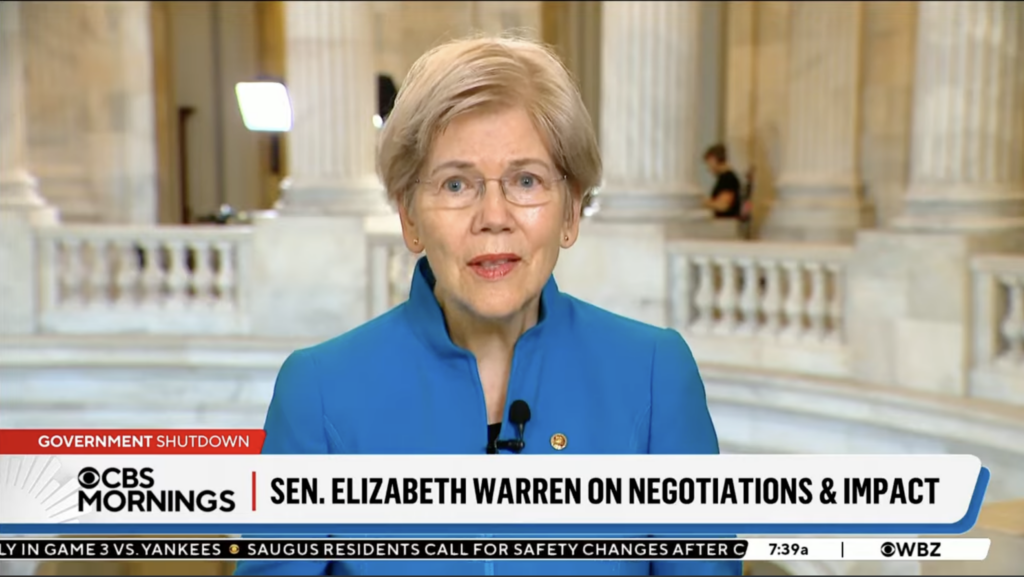
During a government shutdown last year, several leading Democrats rejected Republican claims that their party sought to provide free health care to unauthorized immigrants. Sen. Elizabeth Warren, D-Mass., called such claims a "flat-out lie" in an October interview, stating, "There is nothing in Medicaid, nothing in Medicare, that permits one undocumented immigrant to get one dollar of assistance. None."
"There is nothing in Medicaid, nothing in Medicare, that permits one undocumented immigrant to get one dollar of assistance. None."
— Elizabeth Warren, U.S. Senator
Sen. Tina Smith, D-Minn., similarly dismissed the accusations as a "red herring" and a "fear tactic," asserting that federal law then prohibited health insurance benefits for people not in the country legally. Sen. Chris Van Hollen, D-Md., also called the Republican claims "a big lie."
These denials were echoed by media fact-checkers at the time, who labeled Republican statements about Democratic health care plans as false. At that point, federal law did not allow unauthorized immigrants to access Medicare or Medicaid benefits, and Democratic leaders repeatedly cited this legal barrier in public statements and interviews.
Details of the Medicare for All Bill
The current version of Sanders’ Medicare for All Act would provide health care coverage to all U.S. residents, regardless of citizenship status. The bill’s language, as reviewed by Unleash Prosperity, prohibits discrimination based on citizenship and directs the HHS secretary to define residency for eligibility. This would represent a major change from current law, under which unauthorized immigrants are not eligible for most federal health benefits.
The proposal has drawn criticism for its projected multi-trillion dollar cost over ten years and concerns about the financial sustainability of the Medicare system. Critics argue that expanding eligibility to all residents, including those in the country illegally, could further strain the system and increase the burden on taxpayers.
Supporters of the bill, including the 18 Democratic cosponsors, have not publicly addressed the apparent shift from their earlier public statements to their current legislative support. The Federalist and Unleash Prosperity both note that the bill’s broad definition of eligibility marks a significant policy change from what Democrats previously described during the shutdown debate.
Political Stakes and Responses
With control of Congress at stake, the issue has become a flashpoint in the campaign. Critics argue that Democrats’ support for the bill contradicts their earlier denials and could have major fiscal implications. The bill’s backers have not responded directly to these criticisms or clarified how the expanded eligibility would be implemented or funded.
Neutral observers and fact-checkers previously noted that, under existing law, unauthorized immigrants were not eligible for Medicare or Medicaid, but the new bill would change that standard if enacted. The change in eligibility criteria has become a central point of contention, with Republicans seizing on the issue to question Democrats’ consistency and fiscal responsibility.
The Medicare for All proposal remains a central point of debate as the election approaches, with both parties using the issue to mobilize their bases. Democrats continue to emphasize the need for expanded health coverage, while Republicans warn of the potential costs and policy shifts involved in extending benefits to unauthorized immigrants.
As the campaign enters its final weeks, the future of health care policy—and who it covers—remains a key issue for voters and lawmakers alike.