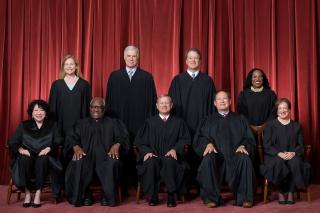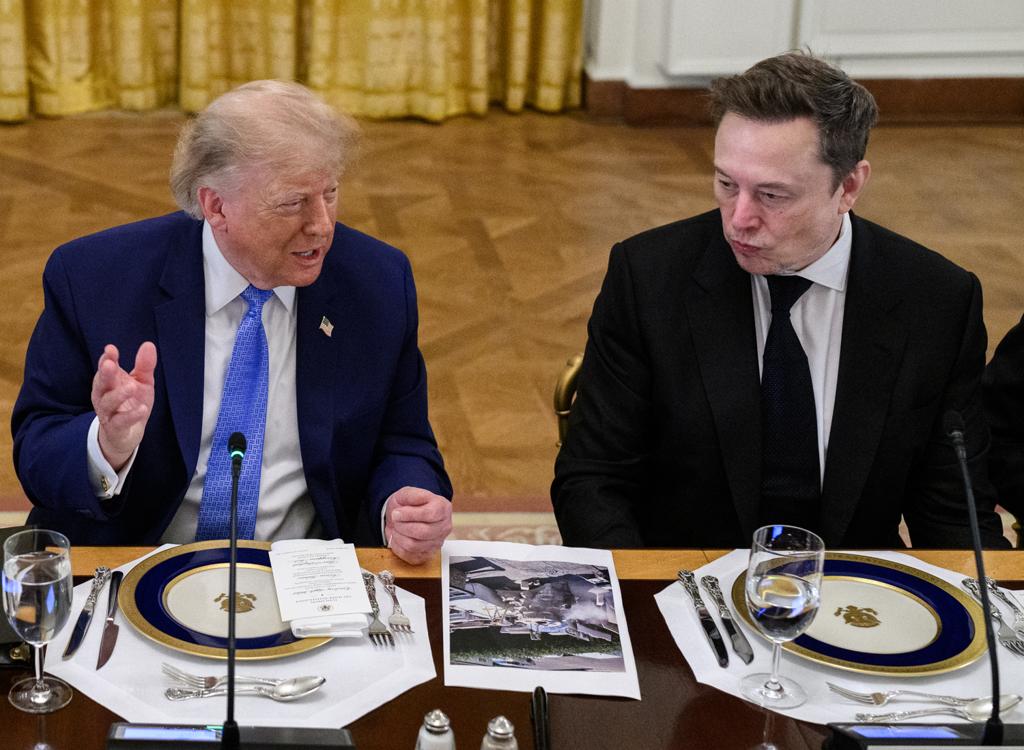
The U.S. Supreme Court has agreed to hear the case of U.S. DOGE Service v. U.S. District Court for the District of Columbia, a dispute that could clarify whether records from the Trump administration’s Department of Government Efficiency (DOGE) must be disclosed under the Freedom of Information Act (FOIA). The outcome may set a precedent for how transparency laws apply to new executive branch entities created by the president.
Explainer Understanding the Supreme Court’s Impact on Law and Liberty
Background of the Case
The controversy began in early 2025, when Citizens for Responsibility and Ethics in Washington (CREW), a nonprofit watchdog group, submitted a FOIA request seeking DOGE’s organizational chart and financial disclosures. CREW, which InfluenceWatch describes as a left-leaning advocacy group focused on public integrity, has frequently sought records from federal agencies to promote government transparency.
DOGE was established by the Trump administration with the stated purpose of investigating waste and abuse in the federal government. However, the administration argued that DOGE was not subject to FOIA because it functioned as an advisory body to the president and was therefore part of the president’s office, which is generally exempt from FOIA requirements. On these grounds, the administration denied CREW’s request for records.
CREW responded by filing a lawsuit in the U.S. District Court for the District of Columbia, seeking a court order to compel the release of the requested documents. The legal question at the heart of the dispute was whether DOGE, as an entity created by the executive branch, should be considered an agency subject to FOIA or if it was shielded from disclosure obligations as a presidential advisory group.
District Court and Appeals Rulings
In spring 2025, Judge Christopher Cooper ruled in favor of CREW, finding that DOGE was likely covered by FOIA. Judge Cooper ordered expedited processing of CREW’s request, which included the production of relevant documents and a deposition of DOGE administrator Amy Gleason. The judge’s order signaled a willingness to treat DOGE as an agency for FOIA purposes, at least for the purposes of discovery.
The Trump administration sought emergency relief from the Supreme Court, arguing that the district court’s order intruded on the separation of powers by compelling discovery into internal executive branch communications. In June 2025, the Supreme Court granted a temporary pause on parts of Judge Cooper’s order. The majority opinion emphasized the need for judicial restraint in matters involving internal communications within the executive branch, stating, "[S]eparation of powers concerns counsel judicial deference and restraint in the context of discovery regarding internal Executive Branch communications."
"[S]eparation of powers concerns counsel judicial deference and restraint in the context of discovery regarding internal Executive Branch communications."
— Supreme Court majority opinion
Following the Supreme Court’s interim order, CREW narrowed its requests, focusing on information about DOGE’s directives to federal agencies and instructions from its administrator to staff. The D.C. Circuit Court of Appeals reviewed the revised requests and ruled in favor of CREW, finding that the narrowed scope complied with the Supreme Court’s guidance. The appellate court allowed discovery to proceed, further escalating the dispute.
Supreme Court Review
The Trump administration then petitioned the Supreme Court to review the case, raising two key questions: whether the appellate court’s order violated separation-of-powers principles, and whether courts can order broad discovery against an executive advisory body before determining if FOIA applies. On October 13, 2026, the Supreme Court granted certiorari, agreeing to hear the case. This decision is reflected in the Court’s official order list and docket.
The Supreme Court’s decision to take up the case underscores the ongoing legal battles over government transparency and executive privilege. The outcome could have significant implications for how new entities created by the president are treated under federal transparency laws. CREW has a history of challenging Trump administration actions in court, while the administration has consistently argued for broad protections for presidential advisory bodies, citing the need to preserve the confidentiality of internal executive branch deliberations.
Next Steps and Broader Implications
Attorneys for the U.S. DOGE Service are led by Solicitor General D. John Sauer, while CREW is represented by Jonathan Edward Maier. As of publication, the Supreme Court has not yet set a date for oral arguments. Neither CREW nor the Trump administration has issued public statements in response to the Court’s decision to hear the case.
Legal observers note that the Supreme Court’s eventual ruling could clarify the boundaries of FOIA and the extent to which executive branch entities must comply with public records requests. The case is being closely watched by transparency advocates, government officials, and legal scholars for its potential impact on the balance between government openness and executive privilege.