California’s High-Speed Rail Authority board has sharply curtailed CEO Ian Choudri’s authority to approve contracts, following revelations that consultants on the state’s high-speed rail project spent hundreds of thousands of taxpayer dollars on unauthorized travel and entertainment expenses.
The move comes as state officials face mounting criticism over lax oversight and persistent waste in major public projects, raising questions about accountability and the effectiveness of new reforms.
The controversy began after the inspector general released a report detailing how consultants billed the state for first-class flights, visits to nightclubs, gyms, and other personal expenses, in violation of state policy and contract terms. The official investigation found that oversight failures allowed these expenses to go unchecked for years.
Board Response and New Controls
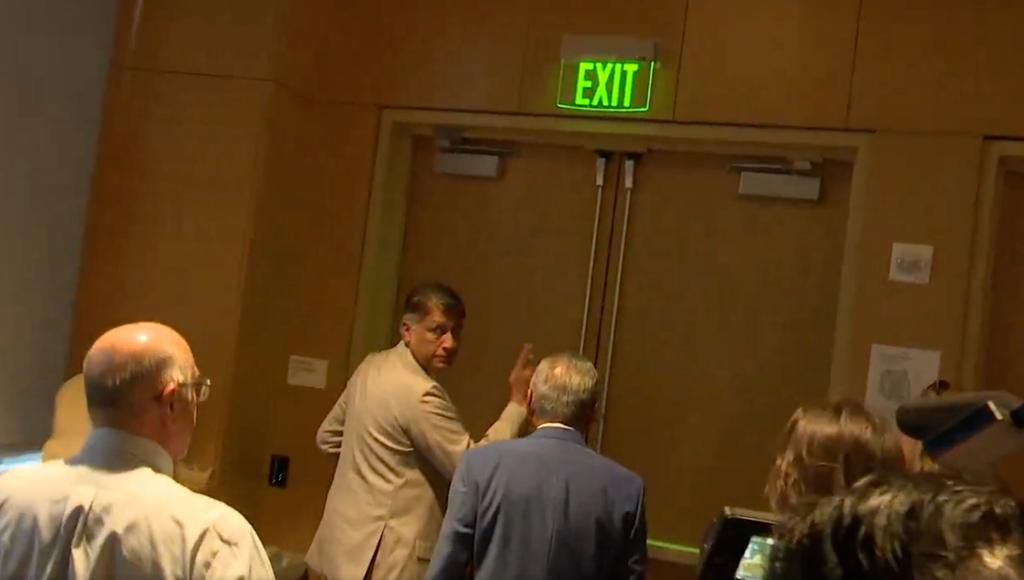
At a special board meeting on October 9, members voted to limit Choudri’s ability to personally approve contracts, a step intended to strengthen fiscal discipline. Board member Henry Perea called the travel payments “egregious,” suggesting the state should immediately terminate contracts with the implicated firms, but acknowledged concerns that such action could further delay the already troubled rail project. Lynn Schenk, a board member since 2003, expressed outrage over the misuse of funds but did not address why oversight had failed for so long.
“I’d terminate these four (contracts) tomorrow or today, but I understand there’s a question of operational needs that we have with these folks.”
— Henry Perea, High-Speed Rail Authority board member
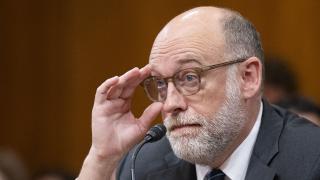
Choudri, who declined to answer questions from reporters after the meeting, told the board the authority had “enhanced internal controls through its review process, updated consultant travel requirements, and revised our training materials for our own staff and for consultants.” He said additional oversight measures were being implemented to ensure all expenses meet state standards.
Inspector General’s Findings
The inspector general’s report documented a pattern of consultants charging the state for unallowable expenses, including entertainment venues and luxury travel, with reimbursements processed without adequate review. The report noted that these practices violated both state policy and the terms of the consultants’ contracts. Board documents from the October meeting confirm that the authority is now revising its internal procedures and increasing scrutiny of consultant spending.
Despite the board’s actions, some members and outside observers questioned whether the reforms go far enough. The board did not press top executives on why the improper spending was not detected earlier, and the authority’s public statements have largely repeated assurances about new controls without addressing past failures.
Broader Pattern in State Oversight
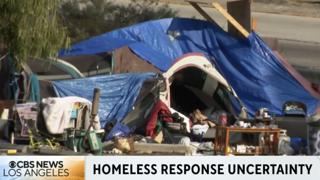
The high-speed rail scandal is the latest in a series of California public spending controversies. The Los Angeles Homeless Services Authority (LAHSA), created in 1993, recently announced it was reviewing its financial practices after a contractor agreed to plead guilty to federal fraud charges involving the misuse of millions in taxpayer funds. According to the U.S. Department of Justice, two individuals employed by LA-area homeless nonprofits were arrested on federal charges for allegedly misappropriating more than $7.5 million, including funds spent on commercial real estate and a nightclub.
A state audit of $24 billion in recent funding for homeless services concluded that auditors could not determine where much of the money had gone or what it had accomplished. In another case, a Los Angeles motel taken over by the city for homeless housing remains empty and gutted years after the transition.
Officials’ and Public Response
When pressed by The Federalist to explain why new financial controls were only now being implemented for a project that began more than a decade ago, a High-Speed Rail Authority media relations manager reiterated the steps outlined by Choudri, without providing further explanation. The agency has not addressed why oversight mechanisms failed to prevent years of improper spending.
Supporters of the rail project have not issued detailed public responses to the latest criticism. The board’s recent actions signal an attempt to restore public trust, but critics argue that deeper structural reforms are needed to ensure accountability in California’s large-scale public projects.