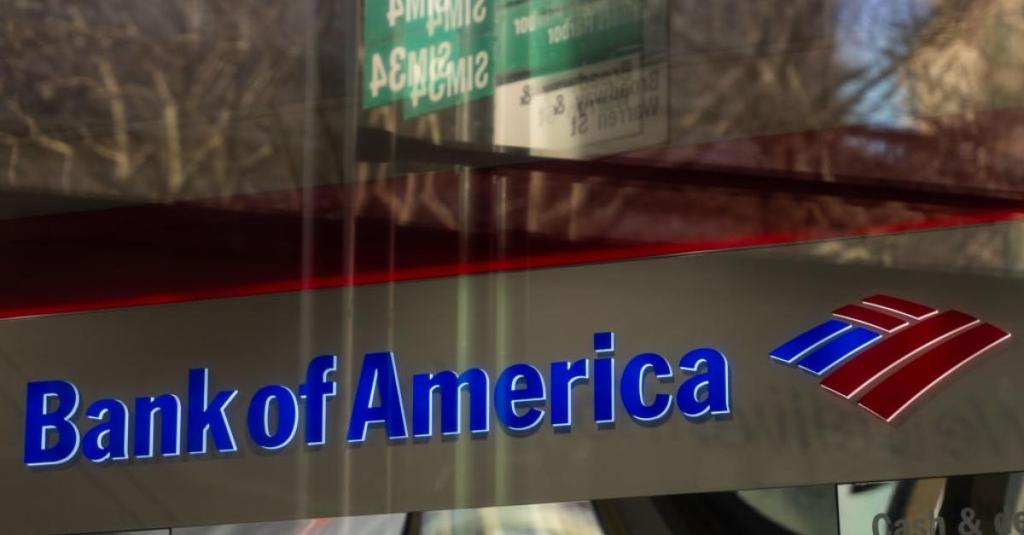
The U.S. Treasury Department has imposed a $1.2 billion penalty on Bank of America, alleging the bank failed to report over $5 billion in suspicious transactions and violated anti-money laundering and sanctions laws, according to a statement released Tuesday.
Explainer Understanding Iran's Complex Political Landscape and Global Influence
The enforcement action underscores growing concerns that lapses by major financial institutions can expose the broader U.S. financial system to illicit finance and national security threats. Treasury officials said that failures by large banks to comply with anti-money laundering (AML) and sanctions regulations can create vulnerabilities that may be exploited by criminal organizations and hostile actors.
Alleged Failures and Risks
According to the Treasury, Bank of America did not adequately report and mitigate risks tied to Chinese Money Laundering Networks and suspected illicit finance along the southwest border. The department said these failures included not filing required Suspicious Activity Reports (SARs) to the Financial Crimes Enforcement Network (FinCEN) on transactions totaling more than $5 billion. SARs are a critical tool for law enforcement and regulators to identify and investigate potential money laundering, terrorist financing, and other financial crimes.
The Treasury's statement emphasized that Bank of America's compliance program suffered from significant breakdowns. The bank allegedly failed to address known risks and did not implement sufficient controls to detect and report suspicious activity, as required under the Bank Secrecy Act (BSA). The BSA is a cornerstone of the U.S. anti-money laundering regime, mandating that banks help detect and prevent the movement of illicit funds through the financial system.
Record Penalties and Settlements
The $1.2 billion penalty is the third-largest in the Treasury's history. Of this amount, $750 million was levied by the Office of the Comptroller of the Currency (OCC), which the agency said is its largest fine ever imposed. The OCC is responsible for supervising national banks and ensuring their compliance with federal laws and regulations.
In addition to the OCC penalty, the Treasury announced that Bank of America reached an $11.6 million settlement with its Office of Foreign Assets Control (OFAC). OFAC enforces U.S. economic and trade sanctions against targeted foreign countries and regimes, terrorists, international narcotics traffickers, and those engaged in activities related to the proliferation of weapons of mass destruction. The settlement covers what the Treasury described as apparent violations of multiple sanctions programs, including those related to Iran, Russia, narcotics trafficking, and global terrorism.
"Today’s actions send a clear message that even the biggest financial institutions are not above the law."
— Scott Bessent, Treasury Secretary
Admission of Violations
The Treasury said Bank of America admitted to willfully violating the Bank Secrecy Act. Treasury Secretary Scott Bessent stated that the bank's failures "expose the entire U.S. financial system to significant illicit finance risks." The department stressed that robust anti-money laundering controls and strict adherence to sanctions laws are essential to safeguarding the integrity of the U.S. financial sector.
According to the Treasury's official release, the enforcement actions were coordinated among multiple agencies, including FinCEN, the OCC, and OFAC. These agencies cited Bank of America for breakdowns in its compliance program and for failing to address known risks, which allowed suspicious transactions to go unreported and unmitigated.
Broader Context and Industry Impact
Bank of America is the second-largest bank in the United States by assets. The Treasury's actions come amid a series of high-profile enforcement efforts targeting large financial institutions for compliance failures. In recent years, U.S. regulators have increased scrutiny of banks' anti-money laundering programs, particularly as global financial flows become more complex and as criminal organizations seek to exploit weaknesses in the system.
The department did not indicate whether Bank of America or its executives would face further penalties or restrictions. Bank of America did not immediately respond to requests for comment on the penalties or the allegations. The lack of immediate comment leaves open questions about how the bank will address the findings and what steps it may take to strengthen its compliance program going forward.
The Treasury said the penalties are intended to reinforce the importance of robust anti-money laundering controls and compliance with U.S. sanctions laws. The department emphasized that even the largest banks must adhere to legal requirements designed to protect the financial system from abuse. Regulators said they will continue to hold financial institutions accountable for failures that put the U.S. financial system at risk.
The case serves as a reminder to the banking industry of the significant consequences of compliance failures. It also highlights the ongoing efforts by U.S. authorities to combat money laundering, terrorist financing, and sanctions evasion through aggressive enforcement and oversight.