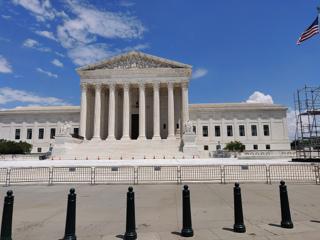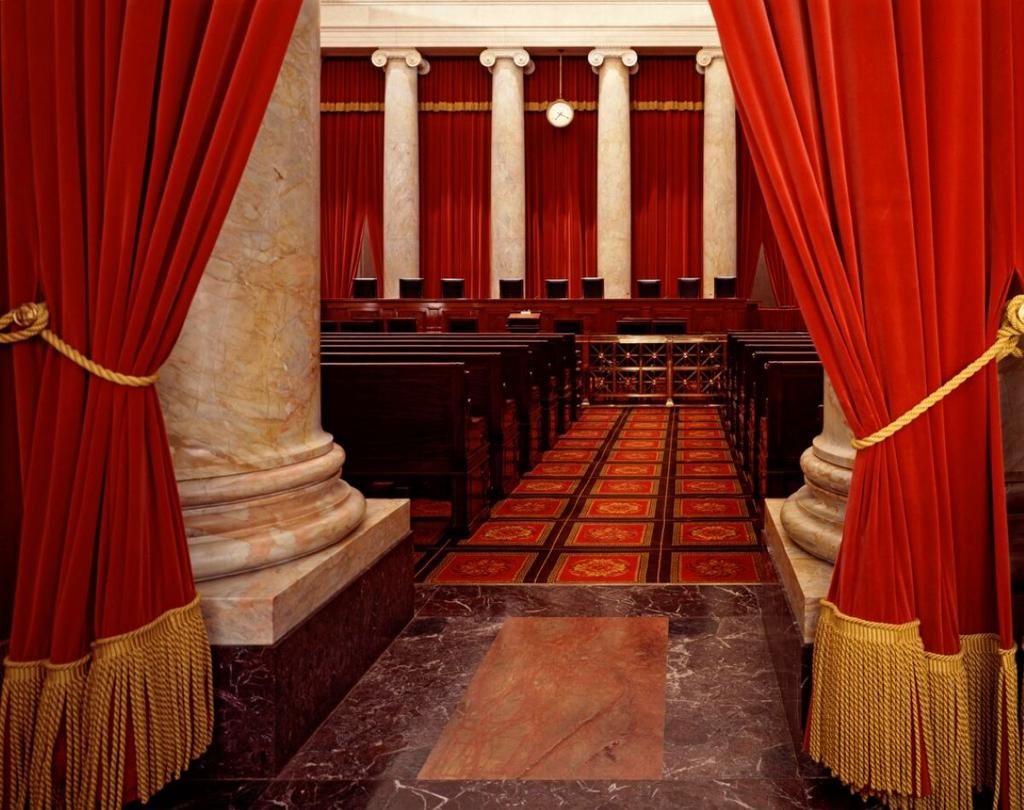
The U.S. Supreme Court is facing intensified scrutiny amid escalating political tensions, particularly from left-leaning groups. Critics contend that recent decisions reflect a bias favoring the Trump administration, while supporters assert that the justices are committed to upholding constitutional principles.
Judicial Activism Accusations
In recent months, the Trump administration has attempted to block injunctions issued by lower court judges, many of whom were appointed by Democratic presidents. These judges have been accused of enabling what some describe as judicial activism aimed at obstructing the administration's agenda. In response, a majority of justices have issued temporary stays on these injunctions, allowing cases to advance through the judicial system. This has led to accusations from various media outlets and political commentators that the court is acting as a facilitator for the Trump administration.
"The court has a responsibility to interpret the law as it is written, not as some would like it to be."
— Mark Levin, legal analyst
On September 11, 2025, Rolling Stone published an article by Andrew Perez and Ryan Bort, which claimed that the Supreme Court is "actively enabling the restored president’s fascist regime." The authors characterized the conservative justices not merely as supporters but as accomplices in what they describe as crimes against the American people.
Defense of the Court's Role
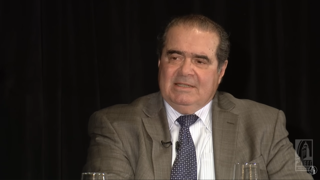
Supporters of the court argue that the justices are performing their duty to interpret the law as it is written. Legal analyst Mark Levin stated, "The court has a responsibility to interpret the law as it is written, not as some would like it to be." This perspective emphasizes the judiciary's role in maintaining the rule of law, even amid political pressures.
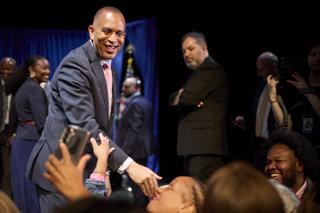
The conflict surrounding the court is not a new phenomenon. Over the years, Democrats and their allies have criticized the court's Republican appointees, alleging that they undermine public trust in the judiciary. High-profile Democrats, including President Joe Biden and Senate Minority Leader Chuck Schumer, have made statements interpreted by some as threats against the court.
Protests and Political Rhetoric
In addition to political rhetoric, there have been protests outside justices' homes and a failed assassination attempt on Justice Brett Kavanaugh, underscoring the intense emotions surrounding the court's decisions. The Supreme Court's role has evolved significantly over the decades, historically viewed as a de facto lawmaking body for Democrats, particularly during the latter half of the 20th century.
One notable example is the 1973 Roe v. Wade decision, which established a constitutional right to abortion. Critics argue that this decision overstepped the court's constitutional authority, while supporters maintain it was a necessary protection for women's rights. In its 2022 Dobbs decision, the court overturned Roe v. Wade, stating that the Constitution does not explicitly mention abortion. This shift has been interpreted by some as a return to a more originalist interpretation of the Constitution, drawing both praise and condemnation.
Ongoing Political Debate
As the Supreme Court continues to navigate these complex issues, it remains a focal point of political debate. The current conservative majority has led to fears among some progressives that their policy goals will be stymied. Consequently, they have intensified their attacks on the court, viewing it as a critical battleground in the broader struggle for political power.
In summary, the Supreme Court is grappling with significant challenges as it balances its judicial responsibilities against the political pressures surrounding its decisions. The ongoing discourse reflects deeper divisions within American society regarding the judiciary's role and its influence on public policy.