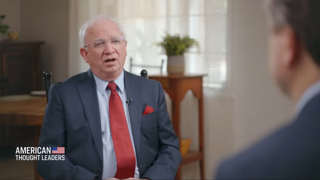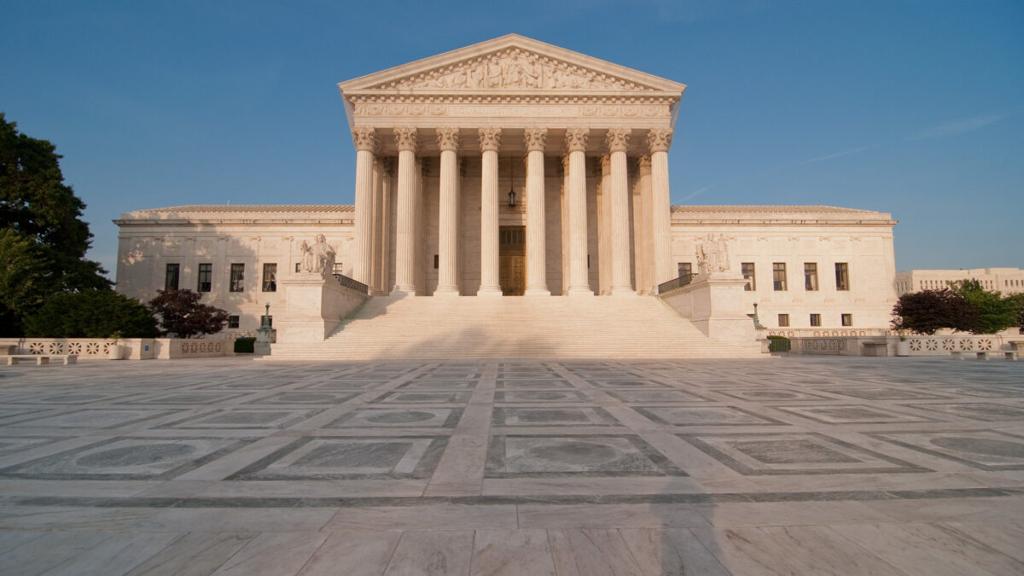
Former Trump attorney John Eastman, represented by the American Center for Law and Justice (ACLJ), is preparing to petition the U.S. Supreme Court to review his disbarment by the California Bar, arguing that the action violates his First Amendment rights as a lawyer. The ACLJ announced it will file the cert petition challenging the California Supreme Court's decision to uphold Eastman's disbarment, which stemmed from his legal advocacy and public statements following the 2020 presidential election.
Explainer Free Speech Battles: Navigating Rights and Censorship in Modern Society
Eastman, a former law school dean and constitutional scholar, was disbarred after representing President Trump in election-related legal challenges. According to the ACLJ, no court sanctioned Eastman for his legal positions, but the California Bar proceeded with disciplinary action based on his advice, court filings, and public advocacy regarding the election. The California Supreme Court upheld the disbarment, prompting Eastman and the ACLJ to seek Supreme Court intervention. The ACLJ's petition is due on September 11.
The case raises questions about whether attorneys can be professionally disciplined for advancing controversial legal arguments on disputed constitutional issues. The outcome could have significant implications for the legal profession, particularly regarding the boundaries between professional discipline and free speech rights for lawyers.
Arguments in the Supreme Court Petition
The ACLJ contends that Eastman's disbarment sets a precedent that could chill protected legal advocacy, especially for attorneys representing controversial clients or advancing novel constitutional theories. The group argues that the First Amendment prohibits the government from disciplining lawyers for making legal arguments on unsettled constitutional questions, regardless of whether courts ultimately accept those arguments.
Jordan Sekulow, executive director of the ACLJ, stated, "To punish an attorney for exploring novel legal theories and pursuing every potentially meritorious argument on behalf of a client — simply because others disagree with the advice given or the legal positions advanced — is a dangerous indictment of our legal system."
The ACLJ maintains that the freedom to advocate for clients, even on unpopular or controversial issues, is essential to the development of constitutional law. The organization warns that using professional discipline to punish such advocacy could deter lawyers from representing clients in politically sensitive cases. According to the ACLJ, this could undermine the adversarial process that is central to the American legal system, where lawyers are expected to vigorously represent their clients within the bounds of the law.
The petition is expected to argue that the First Amendment's protection of free speech extends to lawyers' advocacy in court and in public, especially when addressing unsettled or disputed areas of law. The ACLJ asserts that penalizing attorneys for their legal arguments could discourage robust debate on constitutional questions, ultimately harming the evolution of legal doctrine.
Broader Implications and Response
Supporters of Eastman and the ACLJ argue that the California Bar's action is part of a broader trend targeting conservative lawyers, especially those who represented President Trump or challenged election procedures. The ACLJ claims that if the Supreme Court does not intervene, "the left will be empowered to wage lawfare against every conservative attorney with whom they disagree."
The ACLJ has a history of defending First Amendment rights before the Supreme Court and is urging the court to reaffirm protections for legal advocacy. The organization has launched a public petition campaign to support Eastman's case and to "stop the left from disbarring conservative lawyers." The group argues that the outcome of this case could set a national precedent affecting how state bars across the country handle disciplinary actions against attorneys involved in contentious political or constitutional matters.
Officials from the California Bar and supporters of the disbarment have not publicly responded to the ACLJ's latest filing or its arguments before the Supreme Court. The California Bar has previously maintained that its disciplinary process is designed to uphold ethical standards in the legal profession, but it has not commented on the specifics of the Supreme Court petition.
Context in the Legal Profession
The dispute comes amid heightened scrutiny of lawyers involved in post-election litigation and broader debates over the boundaries of professional discipline versus free speech. In recent years, several attorneys who participated in legal challenges to the 2020 election results have faced disciplinary proceedings, raising concerns among some legal scholars and advocacy groups about the potential chilling effect on legal representation in politically charged cases.
The outcome of Eastman's petition could have implications for how state bars handle disciplinary actions against attorneys engaged in controversial or politically sensitive advocacy. If the Supreme Court agrees to hear the case, it could clarify the extent to which the First Amendment protects lawyers from professional discipline for their legal arguments in disputed constitutional matters.
Eastman's legal team is expected to file its petition with the Supreme Court by September 11, seeking a ruling on whether the First Amendment protects lawyers from professional discipline for their legal arguments in disputed constitutional matters. The case will be closely watched by legal professionals, advocacy organizations, and observers of the Supreme Court, as it could shape the future landscape of legal advocacy and professional discipline in the United States.
For more information on the ACLJ's position and the broader legal debate, see: https://thefederalist.com/2026/07/20/john-eastman-asks-scotus-to-protect-speech-rights-of-lawyers-doing-their-jobs